‘Skunk at the party’: Jamie Dimon warns of recession risks amid ongoing wars—but also stagflation
The JPMorgan Chase CEO laid out the possibility of recessionary, and even stagflationary, forces stemming from ongoing wars.
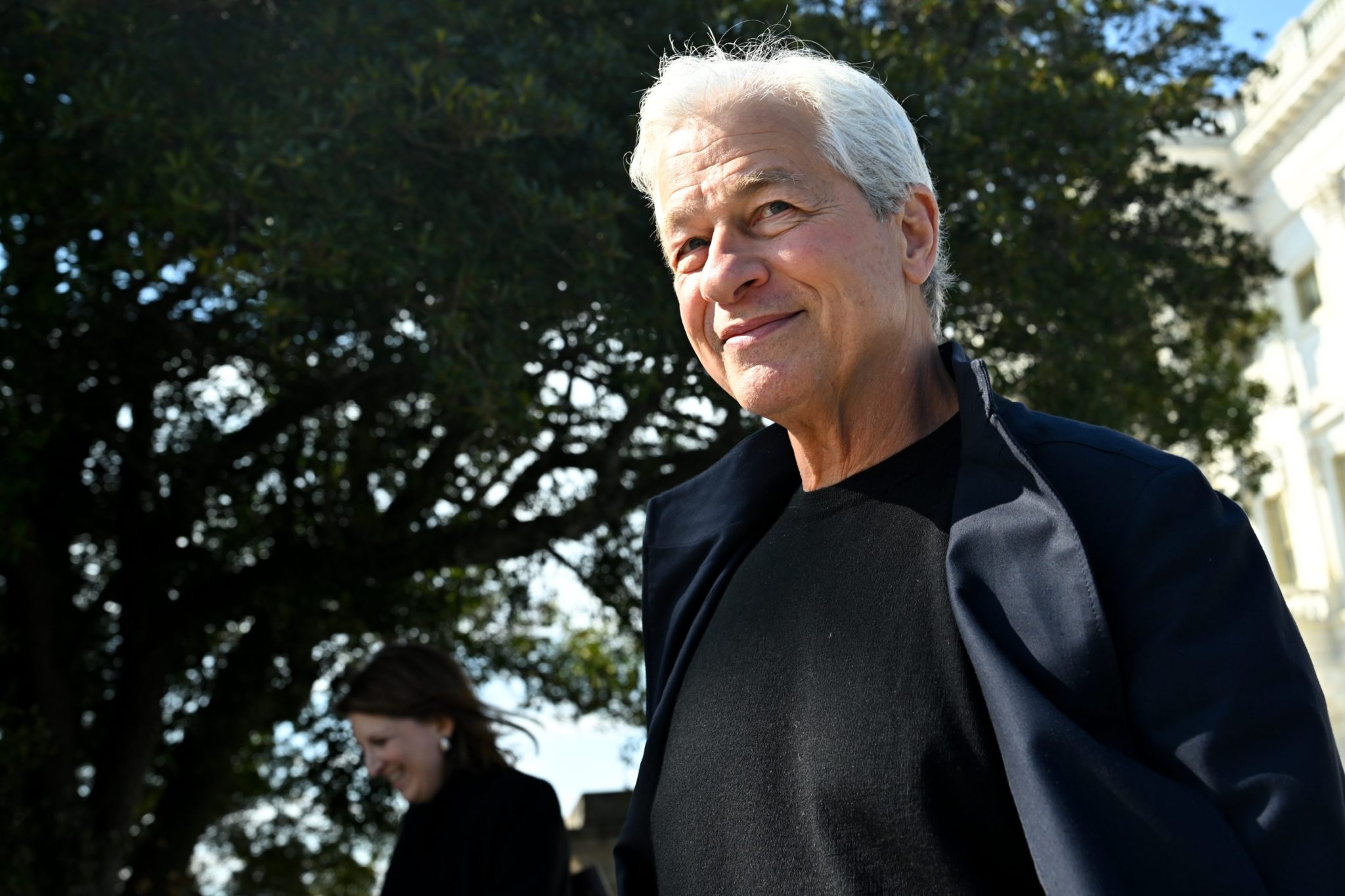
In his 2026 annual letter to shareholders, Jamie Dimon, CEO of JPMorgan Chase, outlined the potential risks of recession and stagflation stemming from ongoing global conflicts, particularly the protracted war in Ukraine and tensions in Iran. Dimon's letter, which mentioned "America" more than 80 times, focused on improving the country's infrastructure, military, and the American Dream. However, the CEO's concerns about economic instability were underscored by his use of the term "stagflation," which could jeopardize these goals.
Dimon warned that prolonged foreign conflicts could lead to a recession, which typically reduces inflation. But he also expressed fears of a stagflationary outcome, where a recession coexists with higher inflation. He explained, "There are some scenarios that would result in a recession, which generally reduces inflation, and other scenarios that would lead to a recession with inflation (stagflation—where inflationary forces overcome deflationary ones)." He described stagflation as the "skunk at the party," a scenario that could occur in 2026. If inflation were to slowly rise rather than decrease, Dimon warned, it could cause interest rates to rise and asset prices to drop.
Dimon's concerns are not isolated. Several top economists have also expressed worries about stagflation since the start of the Iran war in late February, particularly if the conflict drags on for several months. The war has now entered its sixth week, with no clear signs of an imminent ceasefire. President Donald Trump has demanded that Iran make a deal to open the Strait of Hormuz and bring oil prices down, threatening to take punitive action if his Tuesday 8 p.m. ET deadline is not met. Such a move could derail any fragile hopes of a peaceful resolution.
While some economists believe that fears of stagflation are unfounded, others argue that the potential for such an economic crisis is real. Although about one-fifth of the world's oil supply passes through the Strait of Hormuz, Preston Caldwell, chief U.S. economist at financial firm Oppenheimer, maintains that stagflation is unlikely. However, the ongoing conflicts and their impact on global markets cannot be ignored.
Dimon's warnings about recession and stagflation highlight the precarious state of the global economy. As tensions in Iran and Ukraine persist, the possibility of a recession with rising inflation remains a significant concern for policymakers and economists alike. The stakes are high, and the potential consequences of a stagflationary scenario could have lasting effects on both the U.S. and global economies. As the situation continues to evolve, it will be crucial for leaders to navigate these challenges carefully to mitigate the risks and protect the fragile economic stability we currently enjoy.