
Skilled Foreign Workers Think About Leaving the U.S.
As the Trump administration cracks down on the H-1B visa program, which allows skilled workers like software engineers to work in the United States, foreign professionals are debating whether to stay and build careers or quit the American Dream.
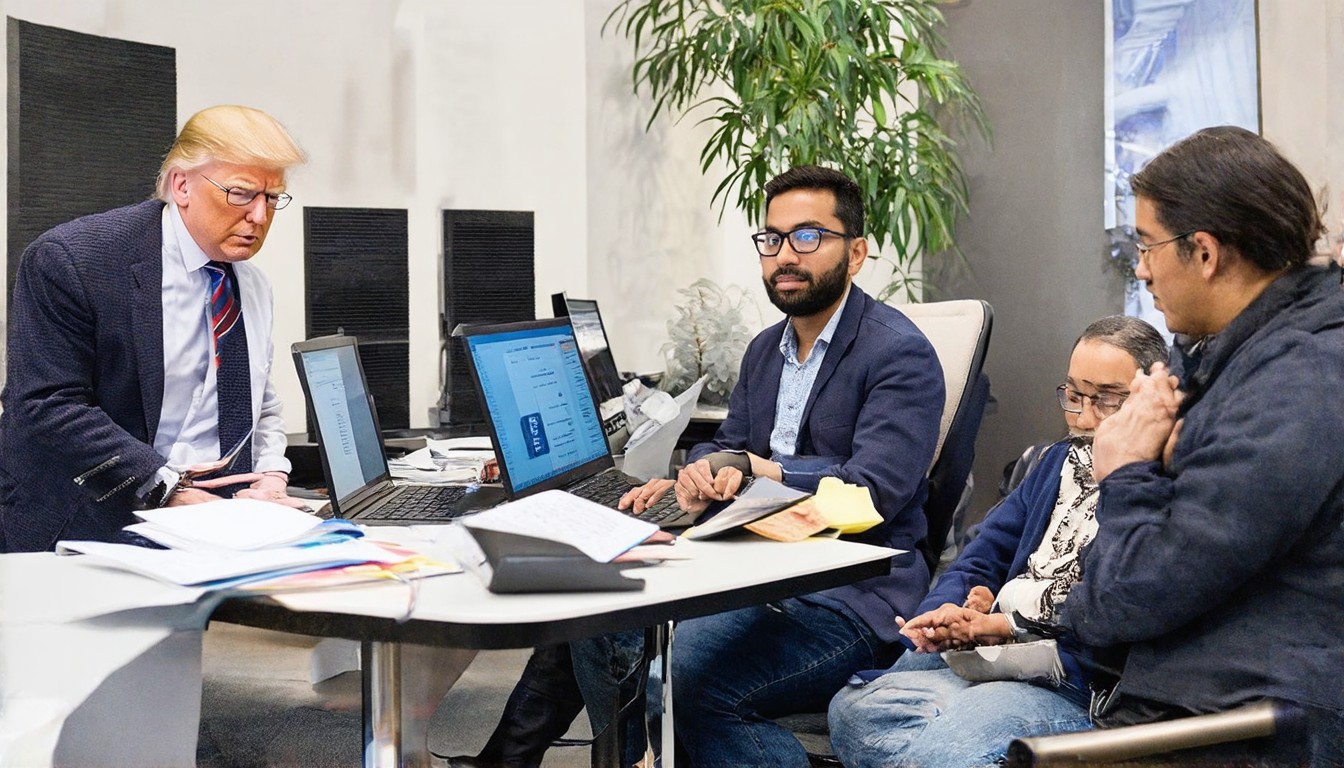
As the Trump administration tightens its grip on the H-1B visa program, a lifeline for skilled foreign workers, many professionals are finding themselves at a crossroads. Once a gateway to the American Dream, the H-1B visa, which allows individuals in specialized fields such as technology, medicine, and engineering to work in the United States, is now under scrutiny. This has left many foreign professionals pondering their future in the country, unsure whether to stay and build careers or abandon their aspirations.
The H-1B visa has long been a cornerstone of the U.S. immigration system, attracting highly skilled workers from around the world. These professionals contribute significantly to the American economy, particularly in sectors like technology, where the demand for talent is high. However, recent changes in policy have created uncertainty and anxiety among those relying on the visa program.
The Trump administration's crackdown on the H-1B visa program began with the introduction of new regulations in 2017. These changes included stricter wage requirements and increased scrutiny of employers to ensure that H-1B workers are not underpaid compared to American counterparts. While the intent was to protect U.S. workers and prevent exploitation, the unintended consequence has been a chilling effect on the program. Many skilled foreign workers, fearing that their visas might be revoked or that they could face deportation, are now considering leaving the country.
This exodus of talent is not without consequences. As foreign professionals weigh their options, companies that rely on H-1B workers are facing staffing shortages. This has led to a scramble for qualified candidates, driving up salaries and creating pressure on existing employees. In some cases, companies have had to delay projects or even close operations due to the lack of skilled labor.
The situation is particularly dire in the technology sector, where the demand for skilled workers is relentless. Many tech companies have come to depend on H-1B professionals to fill critical roles. However, with the tightening of visa policies, these companies are now facing a potential brain drain. As foreign workers consider leaving, the tech industry is bracing for a significant loss of talent that could hinder innovation and growth.
The debate among foreign professionals is not just about career opportunities; it also touches on personal aspirations and the American Dream. Many who have come to the United States for the promise of a better life are now questioning whether the country they once loved still welcomes them. The uncertainty surrounding their status has led to stress and anxiety, making it difficult for them to focus on building a future in the U.S.
Despite the challenges, some foreign professionals are choosing to stay, hoping that the situation will improve. They argue that the opportunities in the U.S. are unparalleled, and they are willing to navigate the complex visa system to secure their futures. Others, however, are opting to leave, seeking stability and a more welcoming environment in other countries.
The impact of this exodus extends beyond individual professionals. As skilled workers leave the U.S., the country risks losing its competitive edge in global markets. The brain drain could stifle innovation and slow economic growth, particularly in sectors that rely heavily on foreign talent.
In response to the growing concerns, some lawmakers and advocates have called for a reevaluation of the H-1B visa program. They argue that the current policies are counterproductive and that a more flexible approach is needed to attract and retain skilled workers. However, the Trump administration has maintained its stance, contending that the changes are necessary to protect American workers and the economy.
As the debate continues, foreign professionals are left to navigate a precarious situation. For many, the decision to stay or leave is not one that can be made lightly. It is a choice between the American Dream and the security of a known future elsewhere. The outcome of this struggle will have far-reaching implications for the U.S. economy, its global standing, and the lives of countless individuals who have chosen to pursue their dreams in the land of opportunity.









