Singapore’s Shanmugam slams Bloomberg’s ‘venomous’ emails in defamation hearing
A defamation suit filed by Singapore cabinet ministers K Shanmugam and Tan See Leng against financial news outlet Bloomberg on Tuesday opened with heated exchanges over an article that mentioned their personal property transactions. According to statements of claim filed in the High Court, Shanmugam, who is coordinating minister for national security, and Tan, who is manpower minister, said parts of the article, titled “Singapore mansion deals are increasingly shrouded in secrecy”, were false,...
Singapore’s Shanmugam Slams Bloomberg’s ‘Venomous’ Emails in Defamation Hearing
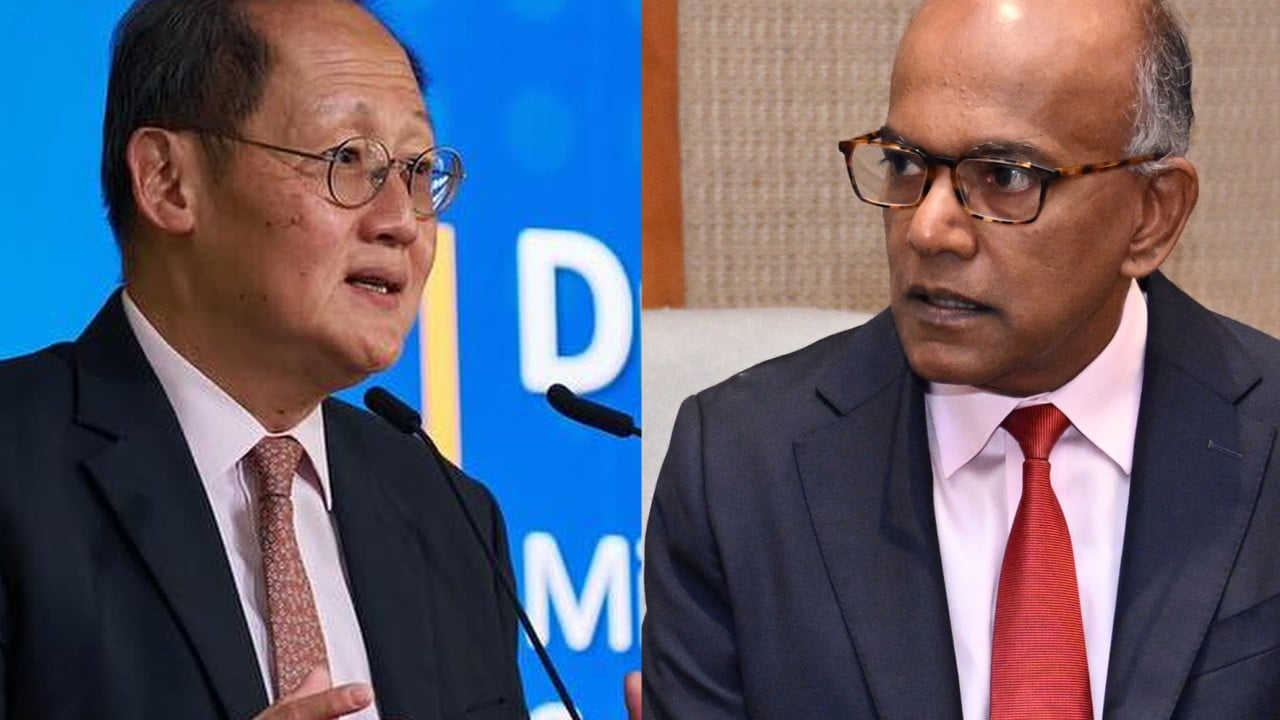
The High Court in Singapore witnessed a fiery exchange on Tuesday as Cabinet ministers K Shanmugam and Tan See Leng opened their defamation suit against Bloomberg, the financial news outlet. The case centers around an article titled “Singapore mansion deals are increasingly shrouded in secrecy,” which the ministers claim contains false information about their personal property transactions.
In their statements of claim, Shanmugam, who holds the position of coordinating minister for national security, and Tan, the manpower minister, accused Bloomberg of publishing inaccurate details that defamed their characters. The ministers argued that the article’s portrayal of their property dealings was not only false but also malicious in nature.
During the hearing, Shanmugam took particular umbrage at a series of emails exchanged between Bloomberg journalists and a source, which he described as “venomous.” He contended that the emails revealed a deliberate attempt to mislead and defame him and Tan, rather than simply seeking accurate information for a news report.
The ministers’ legal team presented evidence to support their claims, including documents and statements from witnesses who were allegedly misrepresented in the article. They argued that Bloomberg failed to verify the facts before publishing the story, thereby breaching journalistic standards and inflicting harm on the ministers’ reputations.
In response, Bloomberg’s representatives argued that the article was a legitimate investigation into the opaque nature of Singapore’s property market and that the ministers’ actions were an attempt to stifle freedom of the press. They maintained that the outlet had taken all reasonable steps to verify the information before publication and that the ministers’ claims were without merit.
The hearing highlighted the complex relationship between public officials and the media in Singapore, where transparency and accountability are often at the forefront of political discourse. Critics have pointed out that the ministers’ decision to pursue legal action against Bloomberg could have chilling effects on journalistic freedom, particularly in the context of Singapore’s already stringent media laws.
On the other hand, supporters of the ministers argue that they are merely seeking justice for defamation and are not attempting to suppress free speech. They contend that the media should be held accountable for publishing false information that damages individuals’ reputations.
The case is expected to delve into the intricacies of Singapore’s defamation laws and the balance between protecting public officials’ reputations and upholding the right to freedom of expression. As the legal battle unfolds, it will be interesting to see how the court weighs these competing interests and whether Bloomberg will be held responsible for the allegedly defamatory article.
In the meantime, the hearing has drawn attention to the challenges faced by journalists in Singapore, where access to information and the ability to report critically on government officials can be limited. The case serves as a reminder of the ongoing struggle for press freedom in a country where the government has significant control over media outlets and the ability to regulate content.
As the trial progresses, both parties are likely to present further evidence and arguments to support their respective positions. The outcome of the case could have far-reaching implications for the media landscape in Singapore and beyond, setting a precedent for how defamation cases involving public figures and the press are handled in the future.
In conclusion, the defamation suit filed by Singapore’s Cabinet ministers against Bloomberg has ignited a high-stakes legal battle that is expected to shed light on the delicate balance between personal reputation and freedom of the press. The case not only challenges the outlet to defend its reporting practices but also raises important questions about the role of the media in Singapore and the extent to which public officials can be held accountable for their actions. As the hearing continues, the court will be tasked with navigating these complexities and determining the appropriate course of action to protect both journalistic integrity and individual rights.