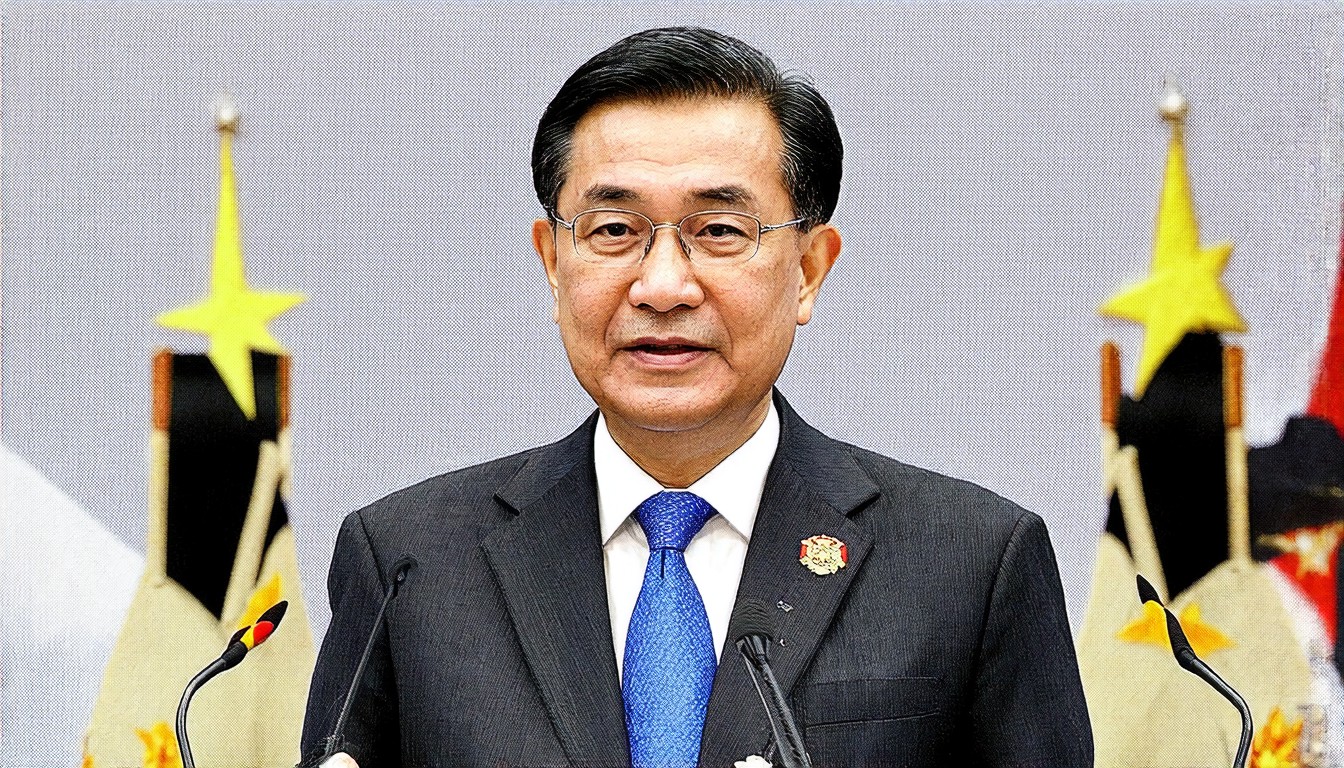
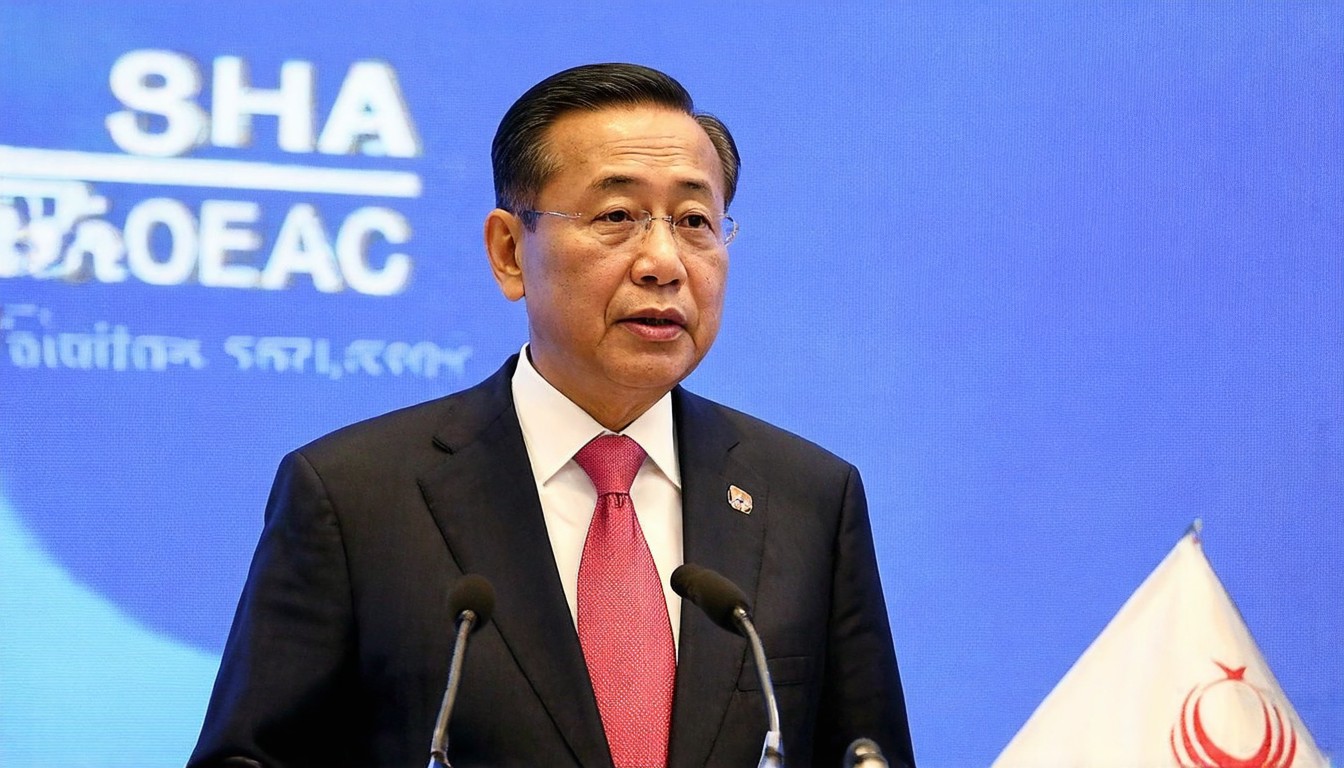
Singapore will not negotiate for safe passage through Strait of Hormuz: Vivian Balakrishnan
Foreign Affairs Minister Vivian Balakrishnan stressed that transit through such waterways is a right, not a privilege.
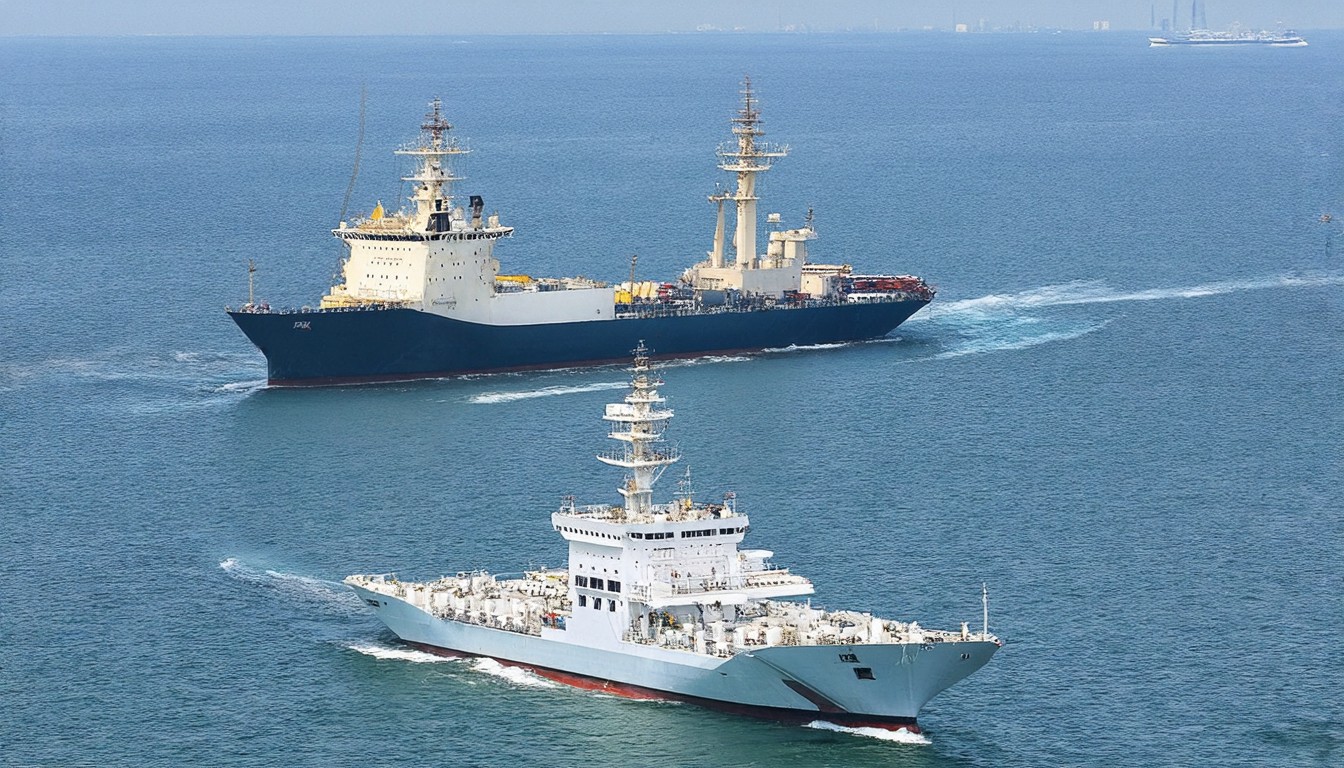
Singapore's Foreign Affairs Minister, Vivian Balakrishnan, has recently made a firm statement regarding Singapore's stance on the Strait of Hormuz. In a recent address, Balakrishnan emphasized that Singapore will not negotiate for safe passage through the strategic waterway. This position underscores Singapore's commitment to upholding the principle that transit through such waterways is a fundamental right, not a privilege granted by any nation.
The Strait of Hormuz, a narrow waterway between the Persian Gulf and the Gulf of Oman, is a critical chokepoint for global oil and gas shipping. It accounts for approximately 30% of the world's oil production and 20% of the world's natural gas trade. The strait's importance has long been a source of geopolitical tension, with several nations vying for control and security in the region.
Balakrishnan's statement comes as a response to growing concerns about the security and stability of the Strait of Hormuz. Tensions in the region have escalated in recent years, with threats of blockades and potential conflicts between major powers and regional actors. In this context, many countries, including Singapore, rely heavily on the strait for their energy needs.
However, Singapore's Foreign Affairs Minister has made it clear that the country will not negotiate for special passage through the strait. Balakrishnan argued that the right to transit through such waterways is a universal principle enshrined in international law. He stressed that this right should be available to all nations, without exception, and should not be subject to negotiation or bargaining.
This stance aligns with Singapore's broader foreign policy objectives. The city-state has long advocated for the rule of law and the protection of international maritime rights. Singapore's position is also consistent with its status as a global maritime hub, with a significant portion of its trade and commerce dependent on international shipping routes.
Balakrishnan's statement has been met with mixed reactions. Supporters argue that Singapore's unwavering commitment to international law and maritime freedom is a positive force in the region. Critics, however, question whether this approach is practical in the face of realpolitik and the complexities of regional power dynamics.
Despite these concerns, Singapore remains steadfast in its position. The country's Foreign Affairs Minister has reiterated that the right to transit through strategic waterways is not a privilege to be negotiated for, but a fundamental right that must be upheld. This stance not only reflects Singapore's commitment to international law but also highlights its role as a voice for maritime freedom and security in the region.
In conclusion, Singapore's refusal to negotiate for safe passage through the Strait of Hormuz is a clear reflection of its commitment to the principle that transit through such waterways is a right, not a privilege. This position, articulated by Foreign Affairs Minister Vivian Balakrishnan, underscores Singapore's dedication to upholding international maritime law and its status as a global maritime power. As tensions in the region continue to rise, Singapore's stance serves as a reminder of the importance of adhering to the rule of law and the universal principles that govern international maritime trade.