Sing, O Muse, of the Rage of Donald Trump!
The war in Iran has all the elements of a Greek tragedy.
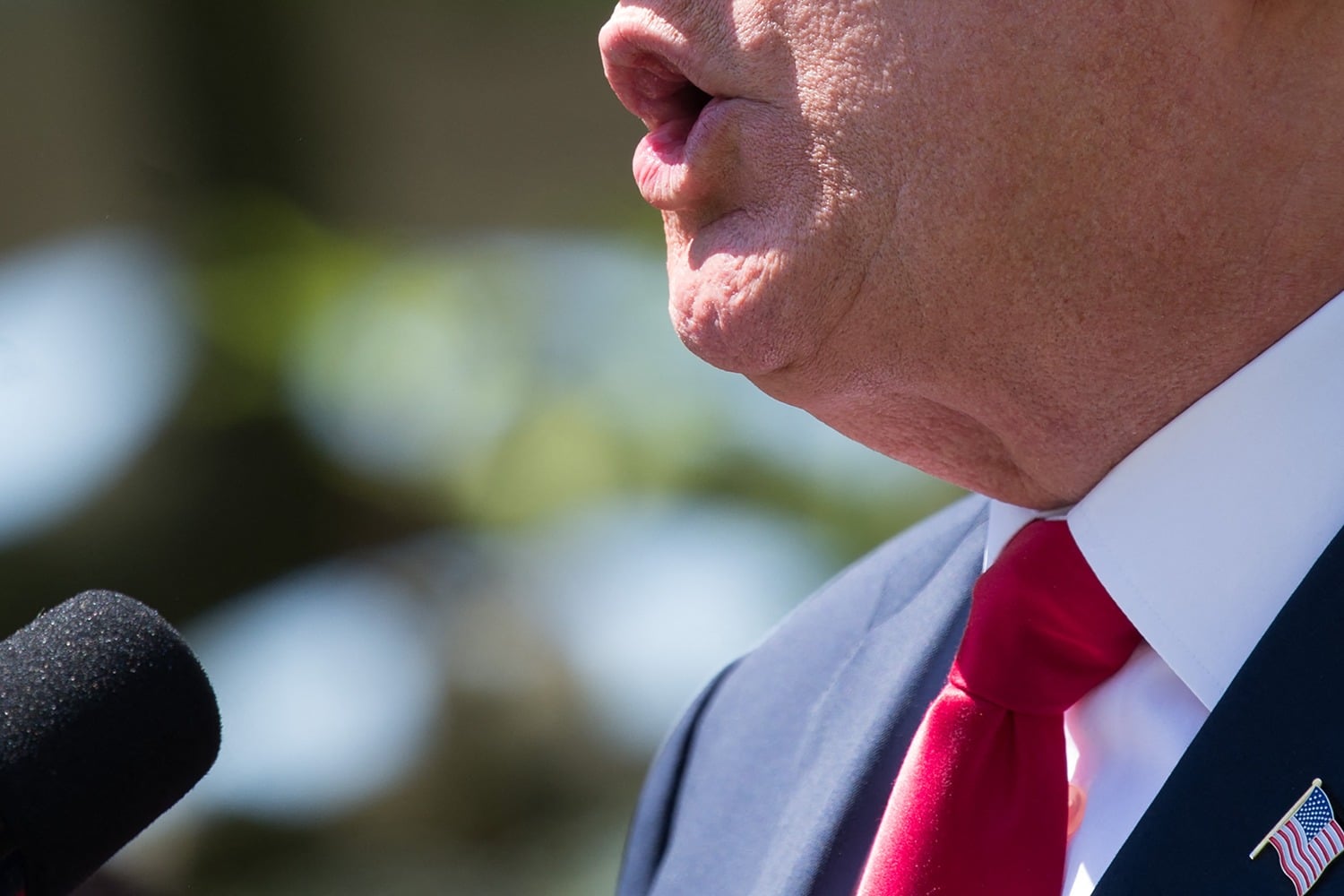
The war in Iran has all the elements of a Greek tragedy. It is a tale of hubris, divine wrath, and the downfall of a once-great leader. In this modern-day drama, the role of the protagonist is played by Donald Trump, whose actions have set the stage for a potential conflagration that could echo through the annals of history.
The story begins with the rise of a demigod-like figure, a man who wields the power of the most powerful nation on earth. Donald Trump, the 45th president of the United States, ascended to the throne in 2017, promising to restore greatness to America. His rhetoric was bold, his actions swift, and his vision unyielding. He sought to renegotiate alliances, reshape global trade, and assert American dominance on the world stage.
In the realm of Iran, a long-standing adversary, Trump's ambitions collided with ancient rivalries. The two nations have been locked in a bitter struggle for decades, rooted in ideology, geopolitics, and the pursuit of power. For Trump, the Iranian threat was personal; he saw it as a stain on America's reputation and a challenge to his leadership.
Trump's hubris, however, was not limited to his domestic policies. His approach to international relations was marked by a willingness to take risks, to challenge the status quo, and to act unilaterally. This disregard for diplomatic protocols and alliances set the stage for the tragic unfolding of events.
In May 2018, Trump withdrew the United States from the Iran nuclear deal, a pivotal moment in the narrative. The deal, brokered by his predecessor, Barack Obama, had been hailed as a diplomatic triumph, designed to curb Iran's nuclear ambitions in exchange for economic concessions. Trump, however, deemed it a "disaster" and a "great deal for Iran." His decision to abandon the agreement was a bold move, one that ignited tensions and emboldened hardliners in Tehran.
The Iranians, in turn, reacted with fury. They saw Trump's actions as a betrayal, a violation of trust, and a slap in the face. The once-secret nuclear program, which had been carefully dismantled, began to reemerge. Sanctions were reinstated, and the threat of war loomed large.
As the stakes grew higher, the chorus of warnings grew louder. Experts cautioned against the dangers of escalation, pleading for diplomacy and restraint. But Trump, ever the tragic hero, was deaf to their pleas. He saw Iran as a symbol of America's perceived weakness, and he sought to restore the nation's pride through force.
The tragic irony, however, lies in the fact that Trump's actions may have inadvertently sown the seeds of his own downfall. The war in Iran, if it were to escalate, could have far-reaching consequences, not just for the Middle East but for the entire world. The region is a powder keg, and the spark could ignite a conflagration that dwarfs even the Greek tragedies of old.
In this modern-day drama, the role of the Fates is played by geopolitical realities and the unpredictability of international relations. The tragic hero, Donald Trump, may have underestimated the consequences of his actions, leading to a catastrophic outcome. The war in Iran, if it were to unfold, would be a tale of hubris, divine wrath, and the downfall of a once-great leader.
As the story unfolds, the world watches with bated breath, hoping for a resolution that avoids the tragic fate of the ancient Greeks. The stakes are high, and the consequences of any misstep could be dire. The war in Iran, with all its elements of a Greek tragedy, serves as a stark reminder of the perils of unchecked ambition and the importance of diplomacy in an increasingly complex world.