
Shorter petrol station operating hours among fuel-saving measures being prepped in Thailand
Thailand is eyeing measures to ensure the country retains sufficient oil for domestic use.
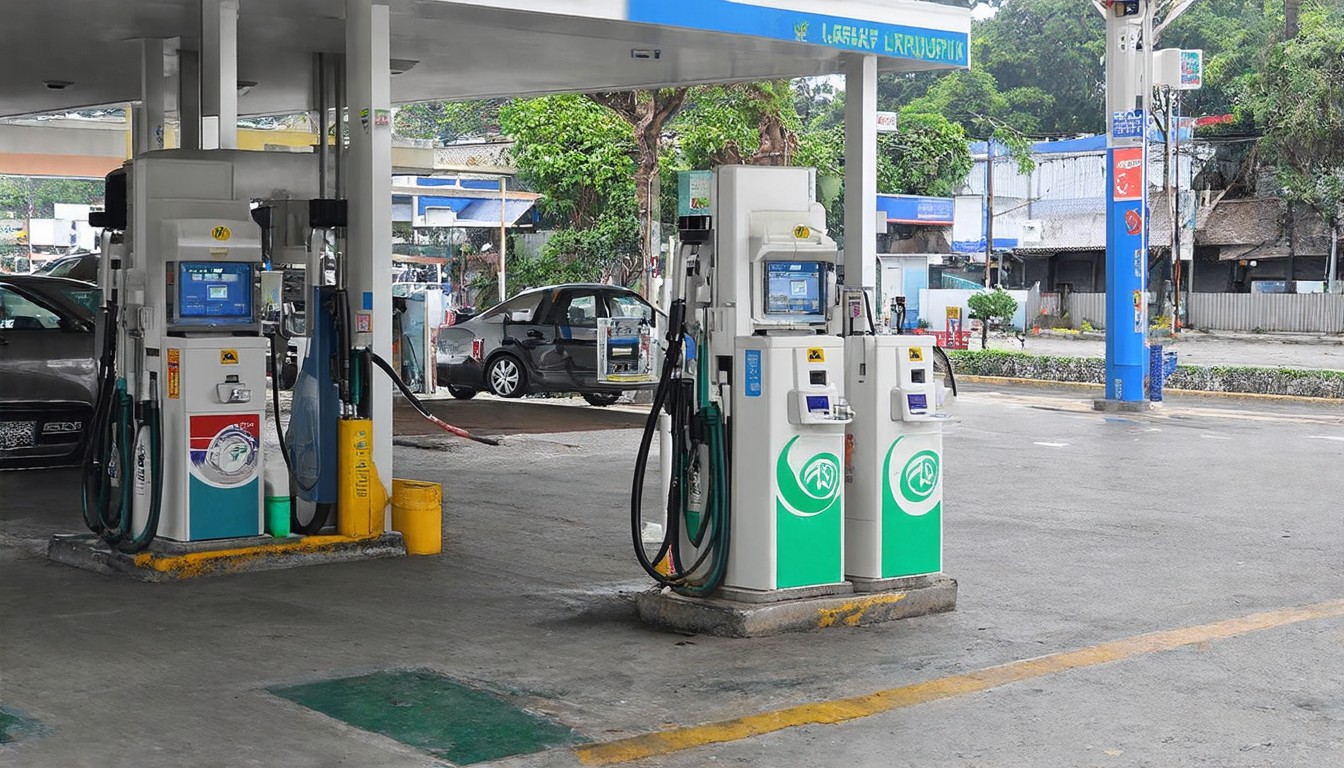
Thailand is considering a series of fuel-saving measures to ensure the country retains sufficient oil for domestic use. As global oil prices continue to fluctuate and concerns about energy security grow, the Thai government is taking proactive steps to manage its oil reserves more efficiently. One of the proposed measures involves reducing the operating hours of petrol stations across the country.
The decision to shorten petrol station hours is part of a broader strategy aimed at conserving oil and reducing energy consumption. By limiting the time during which petrol stations are open, the government hopes to discourage unnecessary trips to refuel, thereby cutting down on overall fuel usage. This measure is expected to have a significant impact, as Thailand relies heavily on petrol for transportation, with a large number of citizens using motorcycles and cars for daily commutes.
In addition to shorter operating hours, the government is also exploring other fuel-saving initiatives. These include promoting the use of public transportation, encouraging carpooling, and incentivizing the adoption of electric vehicles. By implementing these measures, the Thai government aims to reduce its dependence on imported oil and ensure a stable supply for domestic needs.
The move to shorten petrol station hours has been met with mixed reactions from the public. While many support the initiative as a necessary step towards energy conservation, others express concerns about the convenience of refueling. For instance, people who work late or travel frequently may find it challenging to adjust to the reduced hours. The government has pledged to address these concerns by ensuring that petrol stations remain open during peak hours and by providing adequate information about the new schedules.
Thailand's decision to prioritize fuel conservation is not without precedent. During the 1970s oil crisis, the country implemented similar measures, such as rationing petrol and restricting vehicle usage. While those measures were temporary, the current situation highlights the ongoing need for sustainable energy practices. With the global economy increasingly interconnected, Thailand's efforts to manage its oil reserves responsibly could serve as a model for other nations facing similar challenges.
The implementation of these fuel-saving measures is expected to have a positive impact on the environment as well. By reducing overall fuel consumption, Thailand can lower its greenhouse gas emissions and contribute to global efforts to combat climate change. The government has also emphasized that these initiatives are part of a broader strategy to transition towards a more sustainable and diversified energy mix, including the expansion of renewable energy sources.
In conclusion, Thailand's decision to shorten petrol station operating hours is a significant step towards ensuring the country's energy security and promoting sustainable development. While the measure may face initial challenges, it represents a proactive approach to managing fuel resources and addressing the complexities of modern energy consumption. As Thailand navigates this transition, the country's focus on fuel efficiency and environmental stewardship serves as a reminder of the importance of balancing economic growth with long-term sustainability.








