
Ships seek Iranian clearance to cross Hormuz as risks rise and insurance costs surge
Surging insurance costs and tighter control over transit in the Strait of Hormuz are forcing shipowners to rethink voyages, with access increasingly shaped by risk, cost and coordination.
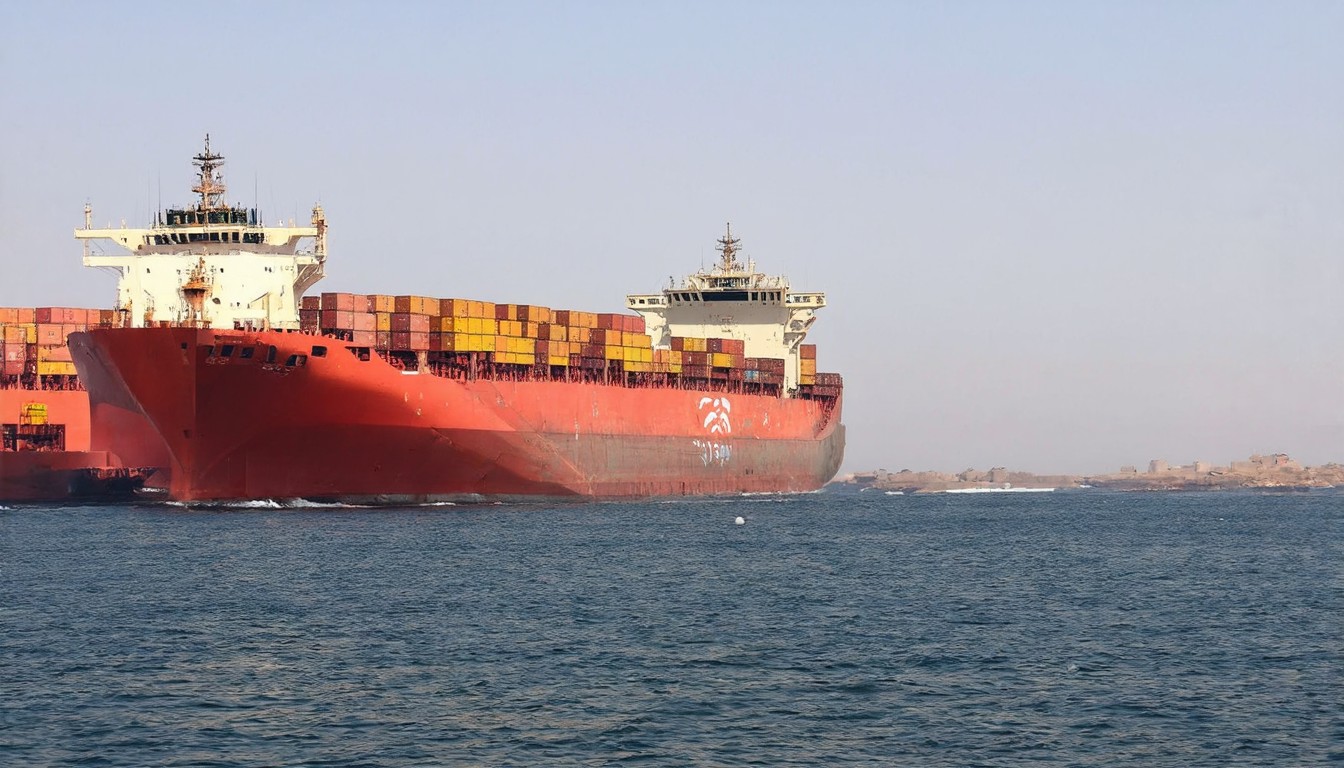
As tensions in the Strait of Hormuz intensify, shipowners are facing unprecedented challenges in navigating the region. Surging insurance costs and heightened control over transit are compelling them to reassess their shipping routes and strategies. The strait, a critical chokepoint for global oil and gas trade, has become a focal point of geopolitical risk, with access now heavily influenced by factors such as risk assessment, cost management, and coordination.
The Strait of Hormuz, located between the Persian Gulf and the Gulf of Oman, is a vital maritime artery, accounting for approximately 30% of global oil production. This makes it a prime target for potential disruptions, as any incident could significantly impact global energy markets. In recent months, the region has been the subject of heightened tensions, with Iran and the United States engaged in a complex diplomatic standoff. This has led to increased concerns among shipowners about the safety and reliability of the strait.
One of the most immediate consequences of these tensions is the surge in insurance costs for vessels navigating the Strait of Hormuz. Traditionally, insurance rates for shipping in the region have been relatively stable, but recent events have prompted insurers to reevaluate their risk assessments. As a result, shipowners are now facing significantly higher premiums, which can substantially impact their bottom line. This financial burden has forced many companies to reconsider their shipping strategies, as the cost of insuring their vessels becomes prohibitive.
In addition to the rising insurance costs, shipowners are also grappling with tighter control over transit in the strait. Iran, which has jurisdiction over the region, has been increasingly scrutinizing shipping activities, imposing stricter regulations and restrictions. This has made it more challenging for vessels to navigate the strait without proper clearance and coordination. Shipowners must now work closely with local authorities to ensure they have the necessary permits and meet all regulatory requirements.
The combination of higher insurance costs and stricter control measures has led to a reassessment of shipping routes and schedules. Some shipowners are opting to take alternative routes, such as the longer and more expensive route around the Cape of Good Hope, in order to avoid the increased risks associated with the Strait of Hormuz. However, this approach is not without its own challenges, as it can result in longer transit times and higher fuel costs.
Moreover, the heightened geopolitical risks in the region have prompted a greater emphasis on coordination among shipping companies and authorities. There is a growing recognition that the safety and stability of the Strait of Hormuz depend on effective communication and collaboration between all stakeholders. This has led to increased efforts to establish standardized protocols and information-sharing mechanisms to ensure a smoother and more secure transit process.
Despite these challenges, the Strait of Hormuz remains a crucial shipping lane, and its importance is unlikely to diminish anytime soon. However, the current situation underscores the need for continued dialogue and cooperation among all parties involved. As tensions in the region persist, shipowners, insurers, and authorities must work together to mitigate risks and ensure the continued flow of goods through this vital maritime artery.
In conclusion, the Strait of Hormuz is facing unprecedented challenges as rising insurance costs and tighter control over transit reshape the shipping landscape. Shipowners are now forced to navigate a complex environment where risk, cost, and coordination are paramount. While alternative routes and stricter regulations offer some solutions, the long-term stability of the region will ultimately depend on effective collaboration and diplomatic efforts to manage the underlying geopolitical tensions.









