
Ship insurers juggle war risks for perilous Gulf route
Iranian forces' threat to ships in the crucial Strait of Hormuz has driven up payments for the insurance that underpins the world freight industry. Here are facts and…
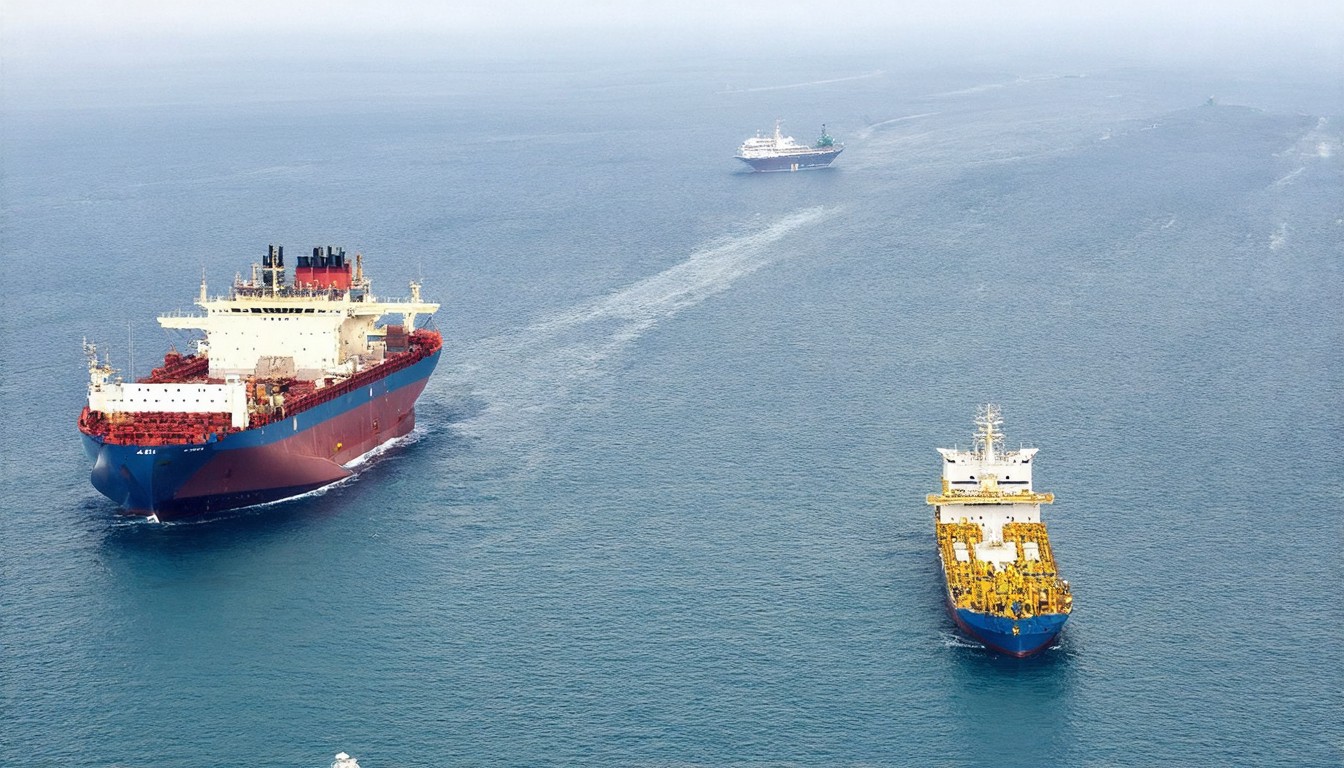
The Strait of Hormuz, a narrow waterway between the Persian Gulf and the Gulf of Oman, is a lifeline for global trade, with over 30% of the world's oil passing through it daily. This strategic chokepoint has long been a flashpoint for geopolitical tensions, but recent threats from Iranian forces have intensified concerns among ship insurers and the maritime industry. As tensions rise, the cost of insurance for vessels navigating this perilous route has soared, raising questions about the resilience of the world's freight infrastructure.
Insurers specializing in maritime risks have been forced to reassess their underwriting practices in light of the heightened threat environment. The Iranian Revolutionary Guard Corps (IRGC) has issued warnings about targeting foreign ships in the Strait of Hormuz, citing perceived threats to Iranian sovereignty. These threats have prompted a reevaluation of the risks faced by both commercial and military vessels, leading to increased premiums for insurance policies.
The escalation in insurance costs is a direct consequence of the perceived risk of attacks on shipping in the Strait of Hormuz. Insurers must now factor in not only traditional maritime hazards, such as piracy and storms, but also the possibility of armed attacks or acts of war. This shift has significant implications for the global shipping industry, as higher insurance costs can translate into higher freight rates, potentially disrupting global trade flows.
The Strait of Hormuz's importance extends beyond oil; it also serves as a critical route for the transport of other commodities, including natural gas, chemicals, and consumer goods. The increased insurance costs for these diverse cargo types could lead to a ripple effect across global markets, affecting everything from food prices to industrial supply chains.
Insurers are not alone in their concerns. The International Chamber of Shipping (ICS) has called for greater stability and predictability in the region, urging all stakeholders to engage in dialogue to de-escalate tensions. The ICS has also emphasized the need for robust insurance frameworks to mitigate the risks associated with navigating the Strait of Hormuz.
Despite the challenges posed by the current threat environment, insurers remain committed to supporting the maritime industry. Many have implemented additional security measures, such as enhanced risk assessments and diversified coverage options, to help mitigate the risks faced by shipowners and operators.
The situation in the Strait of Hormuz underscores the delicate balance between geopolitical stability and the global economy. As insurance costs rise, the burden of risk management falls heavily on shipowners and freight forwarders. However, the resilience of the world's freight industry depends on the ability of insurers to adapt to these evolving risks while maintaining a stable and predictable environment for trade.
In the face of these challenges, the maritime insurance industry is adapting and innovating to meet the demands of the changing threat landscape. By leveraging advanced risk management tools and fostering collaboration among stakeholders, insurers are working to ensure the continued flow of goods through the Strait of Hormuz, even in the shadow of heightened tensions.
Ultimately, the stability of the Strait of Hormuz and the global freight industry hinges on the ability of all parties to navigate the complexities of geopolitical risks. As insurance costs rise, the need for diplomatic engagement and cooperation becomes more pressing than ever. Only through collective action can the world's shipping industry ensure the safe and uninterrupted passage of goods through this critical chokepoint.









