Lucknow: Cleric Naqvi Raises Alarm on Bara Imambara Neglect
Prominent Shia cleric Kalbe Jawad Naqvi, following an inspection with ulema, has voiced serious concerns regarding the alleged neglect and poor upkeep of Lucknow's historic Bara Imambara complex, stating that administrative assurances have not been met. He iss
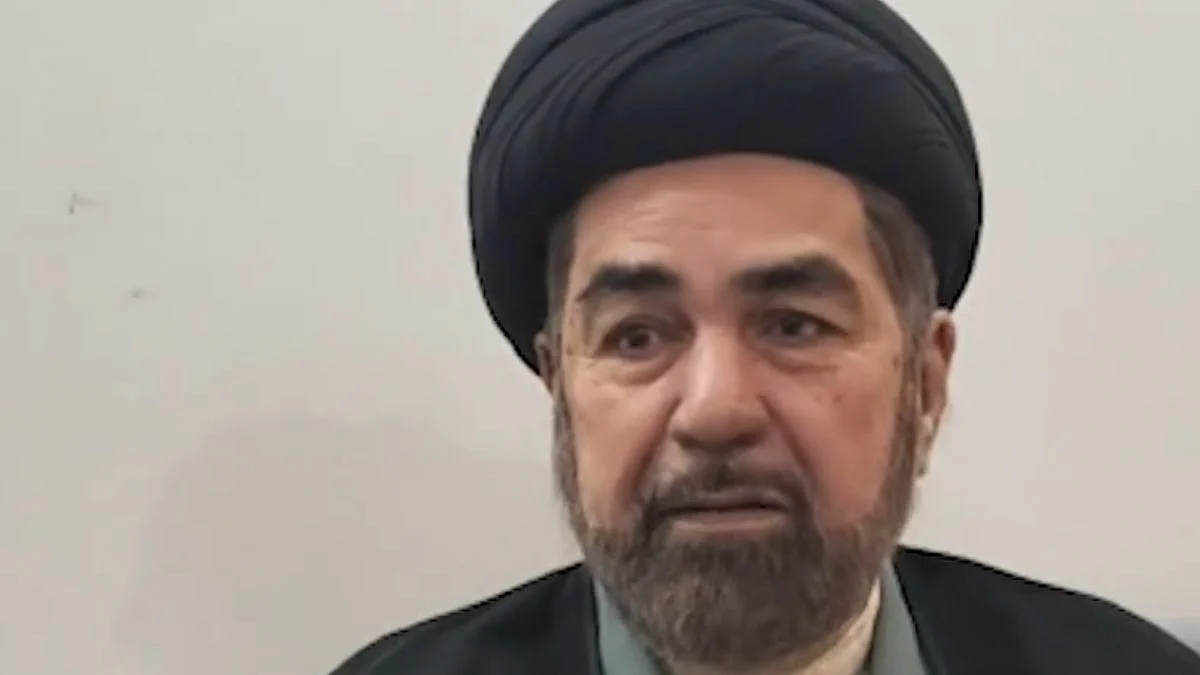
In a significant development from Lucknow, prominent Shia cleric Kalbe Jawad Naqvi, accompanied by a delegation of esteemed ulema, has publicly expressed profound dissatisfaction over the alleged neglect and inadequate upkeep of the historic Bara Imambara complex. Following a thorough inspection, the cleric reportedly asserted that previous administrative assurances regarding the preservation of the complex's sanctity and maintenance have not been honoured. This alleged failure to act has prompted a stern warning from Naqvi, indicating that the community may be compelled to take action if concerns are not addressed promptly and effectively by the authorities.
The Bara Imambara, an architectural marvel constructed in 1784 by Asaf-ud-Daula, the Nawab of Awadh, holds immense historical, cultural, and religious significance, particularly for the Shia Muslim community. Located in the heart of Lucknow, it is not merely a monument but a living place of worship and a symbol of the city's rich heritage. Its intricate design, including the famous Bhulbhulaiya (labyrinth) and the grand central hall, attracts countless devotees, tourists, and historians. The complex serves as a crucial hub for religious observances, making its preservation paramount for Uttar Pradesh and India's cultural fabric.
The core of the cleric's concerns reportedly stems from what he described as "neglect and poor upkeep" within the Bara Imambara complex. Such conditions, if true, could potentially compromise the structural integrity of the ancient edifice, detract from its aesthetic appeal, and diminish the spiritual sanctity devotees associate with the site. The alleged failure of the administration to implement its assurances suggests a gap between stated commitments and actual execution. This raises questions about the efficacy of heritage management policies and the responsiveness of local authorities to community sentiments.
The involvement of Shia cleric Kalbe Jawad Naqvi and other ulema underscores the critical role religious leaders play in advocating for their communities and safeguarding cultural and religious heritage. Spiritual figures often serve as moral compasses and spokespersons for collective grievances, especially when issues pertain to sites of profound religious importance. Their collective voice carries significant weight, galvanizing public opinion and drawing attention to matters that might otherwise be overlooked. By conducting an inspection and raising these issues publicly, Naqvi and the delegation fulfill their perceived duty to protect community interests.
The warning of "community action" articulated by Kalbe Jawad Naqvi is a serious pronouncement, signaling the potential for widespread public mobilization if the current situation persists. While the exact nature of such action was not specified, it could encompass a range of peaceful, democratic expressions, including public awareness campaigns, petitions, peaceful demonstrations, or appeals to higher governmental and judicial authorities. Such a warning reflects the depth of frustration and urgency with which the community views the alleged neglect. It serves as a clear message to the administration that the community is prepared to escalate its advocacy efforts.
Beyond the concerns for the Bara Imambara, the delegation also highlighted another pressing issue: the alleged "unfair removal of small traders near the Clock Tower." This highlights socio-economic challenges faced by vulnerable sections of society. Small traders, often operating on the fringes of the formal economy, rely on daily earnings for sustenance. Their displacement, especially if perceived as unjust or without adequate rehabilitation, can have devastating consequences on their livelihoods and families. The demand for "equal treatment" implies a call for fair policies, transparent procedures, and humane consideration for those impacted by urban development.
These two distinct yet interconnected issues – the neglect of a heritage site and the displacement of small traders – collectively paint a picture of broader community concerns regarding administrative governance and responsiveness in Lucknow. While one pertains to historical and religious landmark preservation, the other touches upon citizens' immediate economic well-being. Both underscore the importance of dialogue between the administration and community representatives. The delegation's unified voice suggests a holistic approach to community welfare, recognizing that cultural heritage and economic stability are vital components of a thriving society.
The situation in Lucknow, as highlighted by cleric Naqvi, brings into focus the broader challenges faced by many Indian cities in balancing urban development with heritage preservation and inclusive growth. Historic sites like Bara Imambara are not static relics but dynamic spaces that require continuous, sensitive management to withstand the ravages of time and human activity. Simultaneously, urban planning must account for the livelihoods of informal sector workers, ensuring that progress does not come at the cost of their displacement and economic marginalization. These issues necessitate a comprehensive and empathetic approach from civic authorities, involving stakeholders from all segments of society.
The call for action from Kalbe Jawad Naqvi and the ulema serves as an urgent reminder to concerned authorities to re-evaluate their strategies for heritage conservation and urban management. Proactive and transparent engagement with community leaders and affected citizens is essential to de-escalate tensions and find sustainable solutions. Addressing the alleged neglect of Bara Imambara and ensuring fair treatment for displaced traders are acts of upholding cultural legacy and social justice. The community, led by figures like Kalbe Jawad Naqvi, awaits tangible steps demonstrating a genuine commitment to addressing these vital issues.