Seven Eritrean players fail to return home after international match
Several footballers have absconded in the past leaving behind what rights groups call a repressive government.
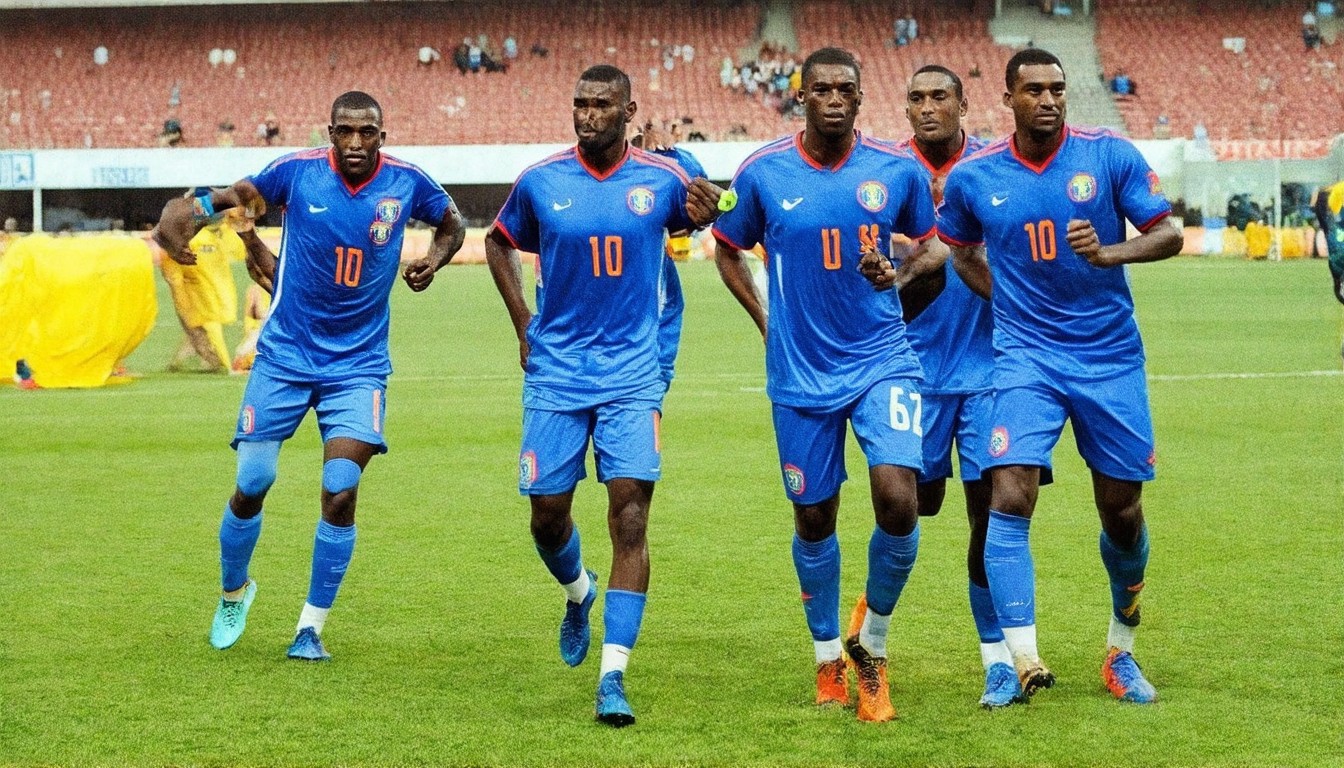
Seven Eritrean players fail to return home after international match
Seven Eritrean national football players have failed to return to their home country after playing in an international match, raising concerns about their safety and the broader context of dissent within the Eritrean government. This latest incident follows a pattern of athletes and professionals choosing to defect from the country, often citing the repressive nature of the regime as a primary reason for their decision.
The players, who represented Eritrea in a recent friendly match, were expected to return home with their teammates. However, they have not been in contact with their families or the national football association since the game. Eritrean officials have not yet commented on the situation, leaving the players' families and fans in uncertainty.
This is not the first time Eritrean athletes have disappeared after international engagements. In recent years, several footballers and other sportspeople have absconded, leaving behind a government that rights groups describe as repressive. The Eritrean government has been accused of suppressing dissent, detaining journalists, and limiting freedom of expression, which has led many talented individuals to seek asylum in other countries.
The disappearances of athletes have drawn attention to the broader human rights situation in Eritrea. The country has been under the rule of the People's Front for Democracy and Justice (PFDJ) since gaining independence from Ethiopia in 1993. Under President Isaias Afwerki, Eritrea has been criticized for its authoritarian policies, including forced conscription, censorship, and restrictions on political opposition.
In the context of football, the national team has struggled to maintain a stable roster due to the exodus of players. Many athletes who defect have reported facing threats or reprisals if they return, further complicating efforts to rebuild the team. The international community has called for greater scrutiny of the situation, urging Eritrea to address the concerns of its citizens and uphold their rights.
The fate of the seven missing players remains uncertain. Their families and supporters are anxiously awaiting news, while rights organizations are monitoring the situation closely. This latest development underscores the challenges faced by those who choose to leave Eritrea, as well as the ongoing struggle for freedom and human rights in the country.
As the international community continues to watch the situation, the case of the seven Eritrean footballers serves as a stark reminder of the challenges faced by those who seek to escape a repressive regime. The players' disappearance highlights the need for accountability and reform in Eritrea, where the rights of individuals often take a back seat to the interests of the state.
In the meantime, the focus remains on the safety and well-being of the missing players. Their families and the Eritrean football community hope for a resolution that will allow them to reunite with their loved ones and continue their careers without fear. The international community must remain vigilant, advocating for the protection of human rights and the right to freedom of expression and movement for all individuals, regardless of their profession or background.