
Senator Mark Warner on AI's Risks: “I Want To Be More Optimistic, But I Am Terrified.”
Amid AI’s rapid advances, the three-term senator from Virginia says nobody’s ready for what the technology could do to us.
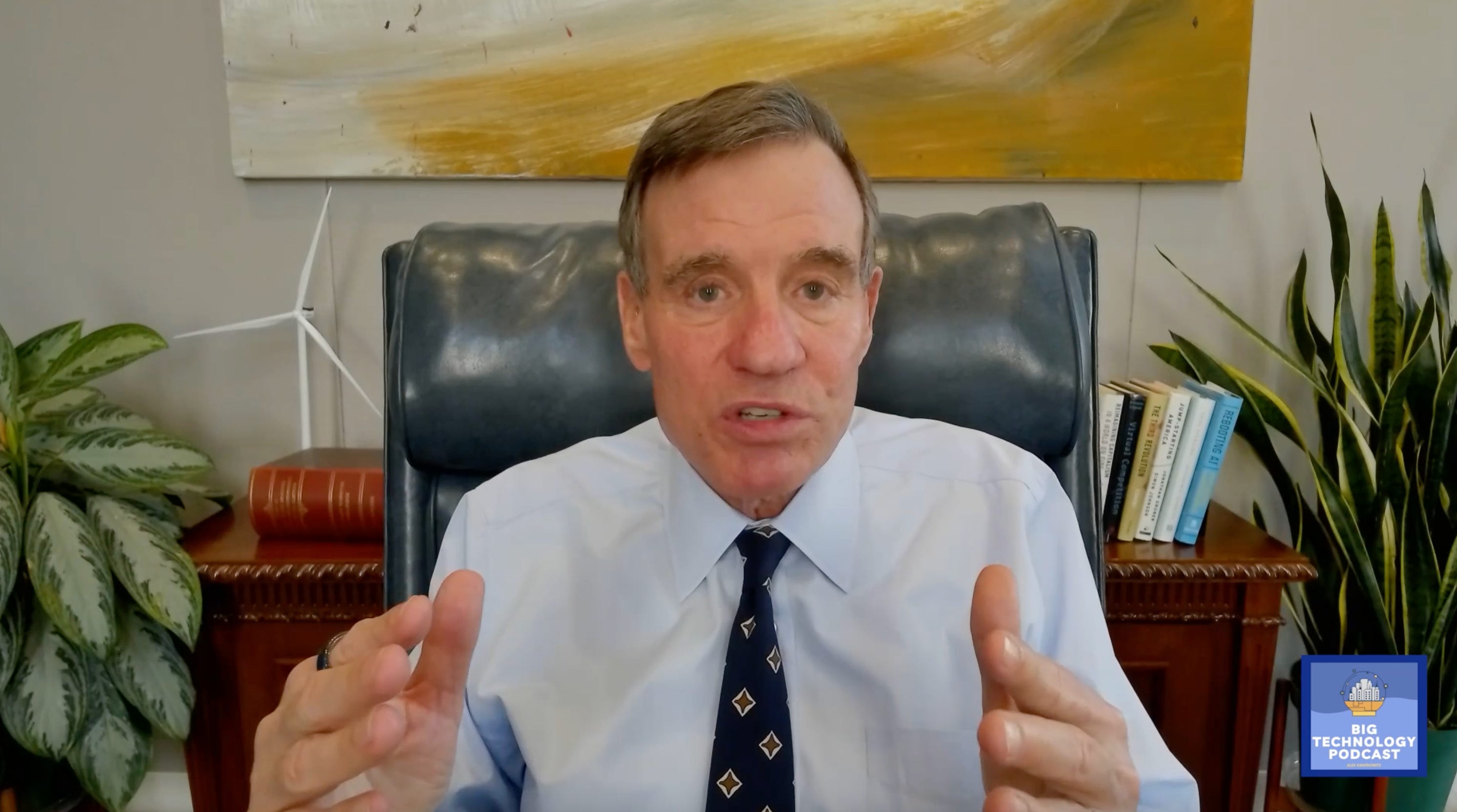
Senator Mark Warner, a three-term legislator from Virginia, recently expressed his concerns about the potential risks of artificial intelligence (AI) in a candid conversation. As one of the most informed U.S. lawmakers on technology issues, Warner warned that neither the government nor society is prepared for the disruptions AI could bring, particularly in the next three to five years.
Warner's concerns stem from the rapid advancements in AI technology and its potential to reshape various sectors of the economy. He emphasized that if AI reaches its full potential, it could lead to significant economic disruption, with job losses in knowledge work being a major concern. He urged policymakers to start working on strategies to mitigate the negative impacts of AI, such as widespread unemployment.
In a stark prediction, Warner suggested that the recent college graduate unemployment rate of 9% could rise to 30% if AI automation accelerates. He argued that the government's unpreparedness for such a scenario would be an understatement. He shared examples of firms already using AI to reduce their workforce, including a law firm that has paused hiring new associates and a mid-sized company that cut its back office team from 23 employees to just three.
Warner mentioned that "big brand name firms" are also cutting internships in half or eliminating them altogether. While the immediate aftermath of ChatGPT's debut did not result in catastrophic unemployment—with the U.S. unemployment rate remaining at 4.4% three years later—Warner's concerns about the long-term implications of AI on the job market persist.
The senator's warnings come as a wake-up call for policymakers to proactively address the challenges posed by AI. As AI continues to evolve, it is crucial for governments and society to develop strategies to ensure a smooth transition and to protect workers from job displacement. Warner's perspective underscores the need for a balanced approach to AI development, one that prioritizes both technological progress and the well-being of society.
In conclusion, Senator Mark Warner's candid assessment of AI's risks serves as a reminder of the potential consequences of unpreparedness in the face of rapidly advancing technology. As AI's influence grows, it is imperative for governments and stakeholders to collaborate and develop policies that address the economic and social challenges that may arise. Only through careful planning and foresight can we harness the benefits of AI while minimizing its negative impacts on society.









