
Senator Mark Warner on AI's Risks: “I Want To Be More Optimistic, But I Am Terrified.”
Amid AI’s rapid advances, the three-term senator from Virginia says nobody’s ready for what the technology could do to us.
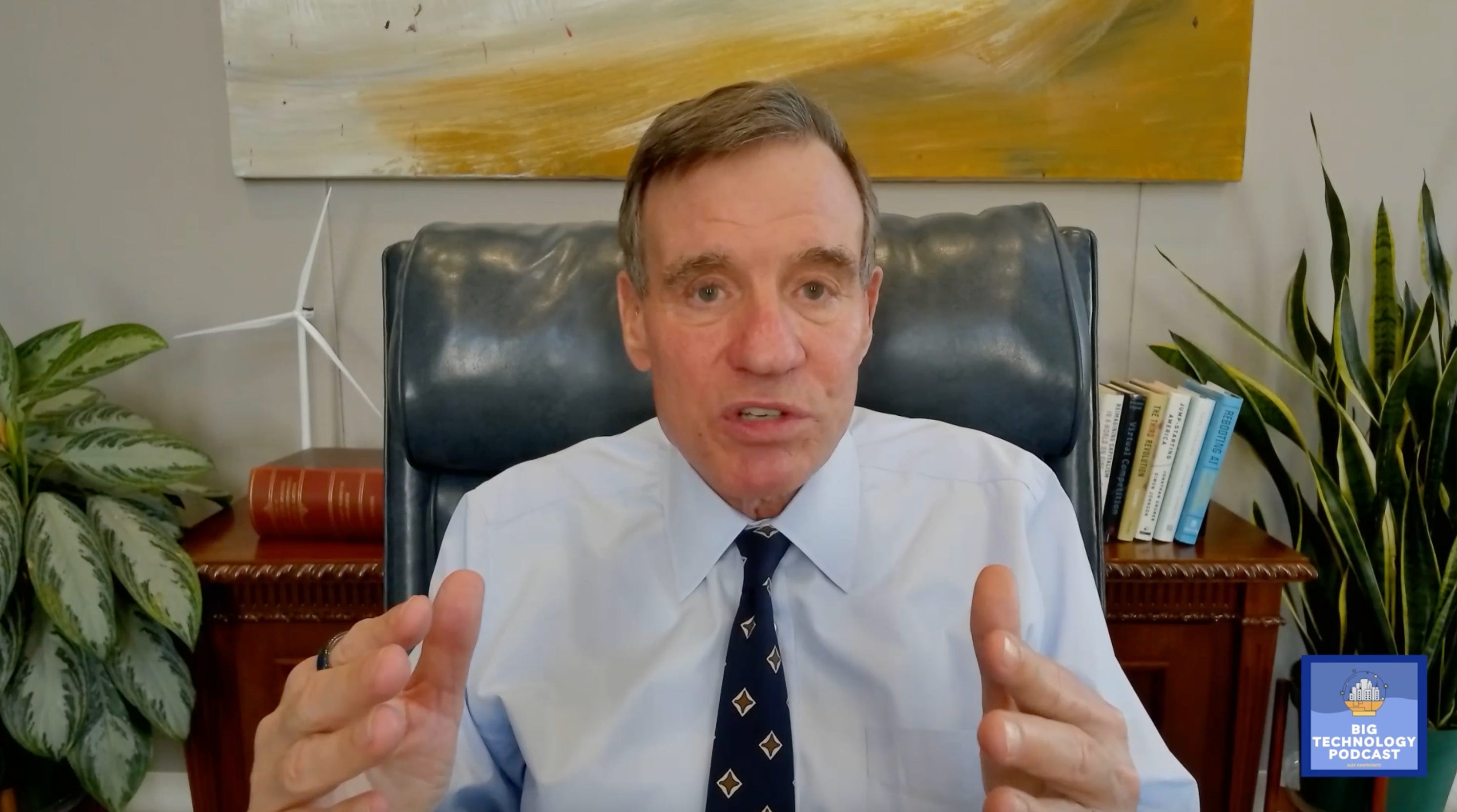
Senator Mark Warner, a three-term legislator from Virginia, recently expressed his concerns about the potential risks of artificial intelligence (AI) in a candid conversation. As one of the most informed U.S. lawmakers on technology issues, Warner warned that neither the government nor society is prepared for the disruptions AI could bring in the coming years.
During the interview, Warner leaned forward, looking intently at his computer screen, and shared his fears about the rapid advancements in AI technology. He emphasized that the economic disruption in the next three to five years could be significant, and that the current state of preparedness is inadequate. "I don't think the government's ready. I don't think society's ready," Warner stated.
Warner's concerns stem from recent discussions with AI insiders who believe society is underestimating the near-term impact of AI. If AI were to take over large portions of knowledge work in the coming years, leading to job losses, the government should be actively working on mitigation strategies. Warner's assessment is stark: "If there's even a small chance that AI takes over swaths of knowledge work in the coming years, and that leads to job loss, the government should be right now working on plans to mitigate the downsides."
The senator painted a bleak picture of the potential unemployment rate, suggesting it could rise from the current 9% recent college graduate unemployment to as high as 30%. "To say the government's not ready would be an understatement," Warner warned. He also mentioned that multiple firms have already informed him of their use of AI to reduce employee numbers. One law firm, for instance, has paused hiring first-year associates to observe the impact of AI before making further decisions. Another mid-sized firm has drastically reduced its back office team from 23 people to just three.
Warner noted that "big brand-name firms" are also cutting internships in half or eliminating them altogether. While the near-term predictions of mass job loss following the debut of ChatGPT have not yet materialized—with the U.S. unemployment rate remaining at a not-disastrous 4.4% three years later—the potential for significant disruption remains a cause for concern.
Warner's message is clear: the rapid pace of AI development necessitates urgent action from policymakers and society at large. As AI continues to evolve, the need for proactive measures to address its risks and ensure a fair transition becomes increasingly pressing. The senator's words serve as a stark reminder that the potential benefits of AI must be weighed against the very real risks of job displacement and economic instability, and that preparedness is key to navigating this transformative era.
In conclusion, Senator Mark Warner's concerns about AI's potential risks highlight the need for urgent and comprehensive action from both the government and society. As AI technology advances at an unprecedented pace, the potential for significant economic disruption and job loss cannot be ignored. The time for proactive planning and mitigation strategies is now more critical than ever.









