
Senator Mark Warner on AI's Risks: “I Want To Be More Optimistic, But I Am Terrified.”
Amid AI’s rapid advances, the three-term senator from Virginia says nobody’s ready for what the technology could do to us.
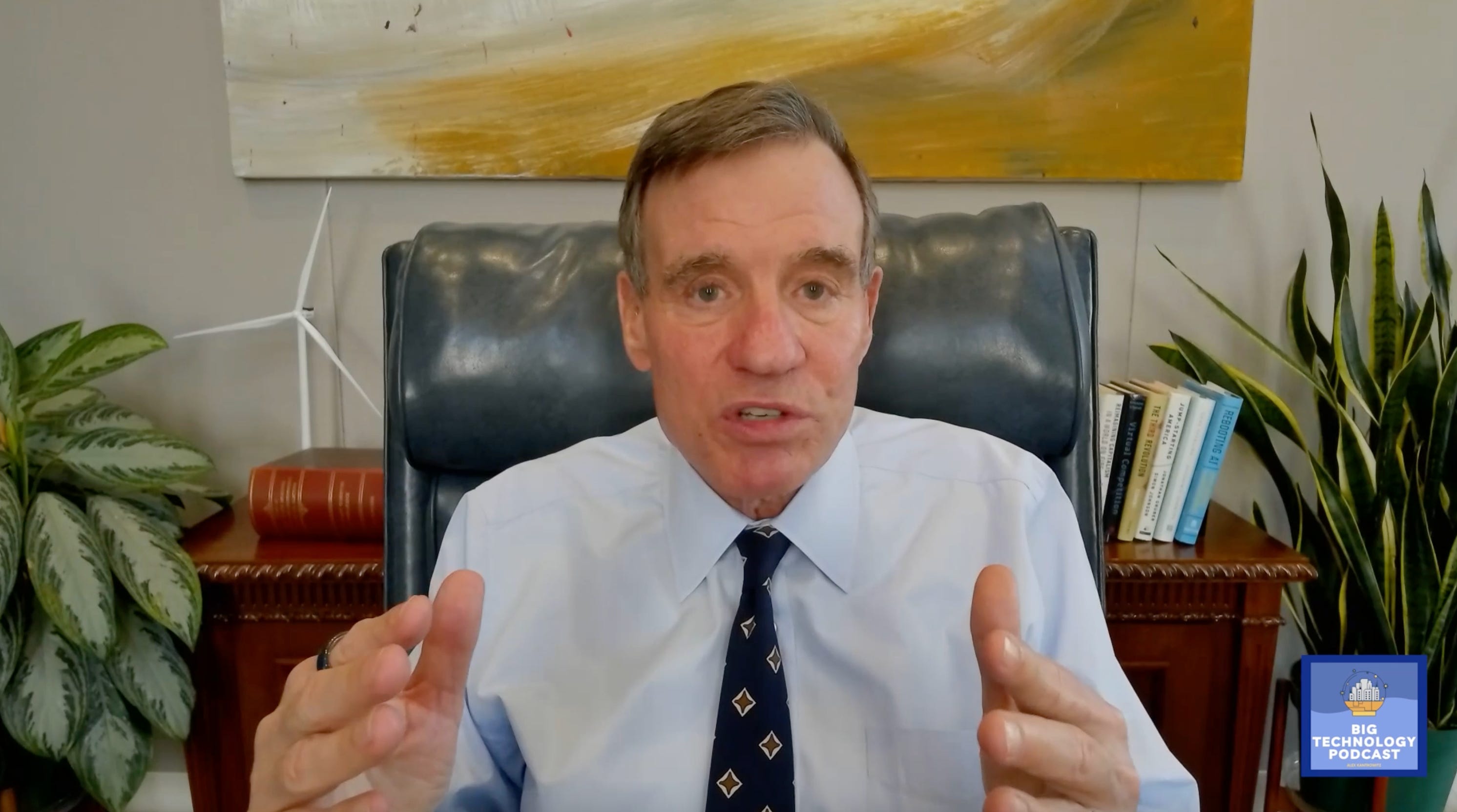
Senator Mark Warner, a three-term legislator from Virginia, recently expressed his concerns about the potential risks of artificial intelligence (AI) in a candid interview. As one of the most informed U.S. lawmakers on technology issues, Warner warned that neither the government nor society is prepared for the disruptions AI could bring in the coming years. He emphasized that the economic impact could be severe, with job losses and societal challenges that require immediate attention.
Warner's concerns stem from recent conversations with AI insiders who believe the near-term impact of AI is being underestimated. He argued that if AI were to take over knowledge work in the next few years, the government should be actively working on strategies to mitigate the negative consequences. He highlighted that even a small chance of such a scenario necessitates proactive planning to ensure a smooth transition for workers and communities.
The senator painted a grim picture of potential unemployment rates, suggesting that the recent college graduate unemployment rate of 9% could rise to as high as 30%. He warned that the government's unpreparedness for such a scenario would be an understatement, given the rapid advancements in AI technology. Warner shared examples of firms already using AI to reduce their workforce, including a law firm that has paused hiring new associates and a mid-sized company that cut its back office team from 23 employees to just three.
Moreover, Warner mentioned that "big brand name firms" are halving internships or eliminating them altogether. While the immediate predictions of mass job loss following the debut of ChatGPT have not yet materialized—with the U.S. unemployment rate remaining at 4.4%—Warner cautioned that the potential for significant disruption remains.
The senator's remarks underscore the need for policymakers to address the challenges posed by AI's rapid development. As AI continues to evolve, the potential for both opportunities and risks grows, necessitating a balanced approach that prioritizes both innovation and the well-being of society. Warner's admission that he is "terrified" of what AI could do highlights the urgency of addressing these concerns before they become unmanageable.
In the face of these challenges, Warner's call for preparedness serves as a reminder that the future of AI is not only about technological advancement but also about the societal and economic impacts that must be carefully considered and managed. As AI becomes increasingly integrated into various sectors, the need for comprehensive policies and strategies to navigate these changes becomes more pressing than ever.
Warner's concerns resonate with many experts who believe that the potential of AI to transform industries and economies is significant, but the path to realizing this potential is fraught with challenges. The rapid pace of AI development means that the time for policymakers to act is limited, and the consequences of inaction could be severe.
In conclusion, Senator Mark Warner's stark warning about the risks of AI underscores the need for urgent and thoughtful policy interventions. As AI continues to advance, the potential for both unprecedented progress and significant disruption looms large. The challenge for policymakers, businesses, and society as a whole is to harness the benefits of AI while mitigating its risks, ensuring that the technology serves the greater good and does not come at the expense of individuals and communities. Warner's message serves as a call to action, urging all stakeholders to prepare for the AI-driven future that is rapidly approaching.









