
Sen. Warren slams Trump administration for pressuring EU to relax tech regulations
Sen. Warren said the Trump administration trade negotiations are focused on giving advantages to Trump's "tech billionaire friends."
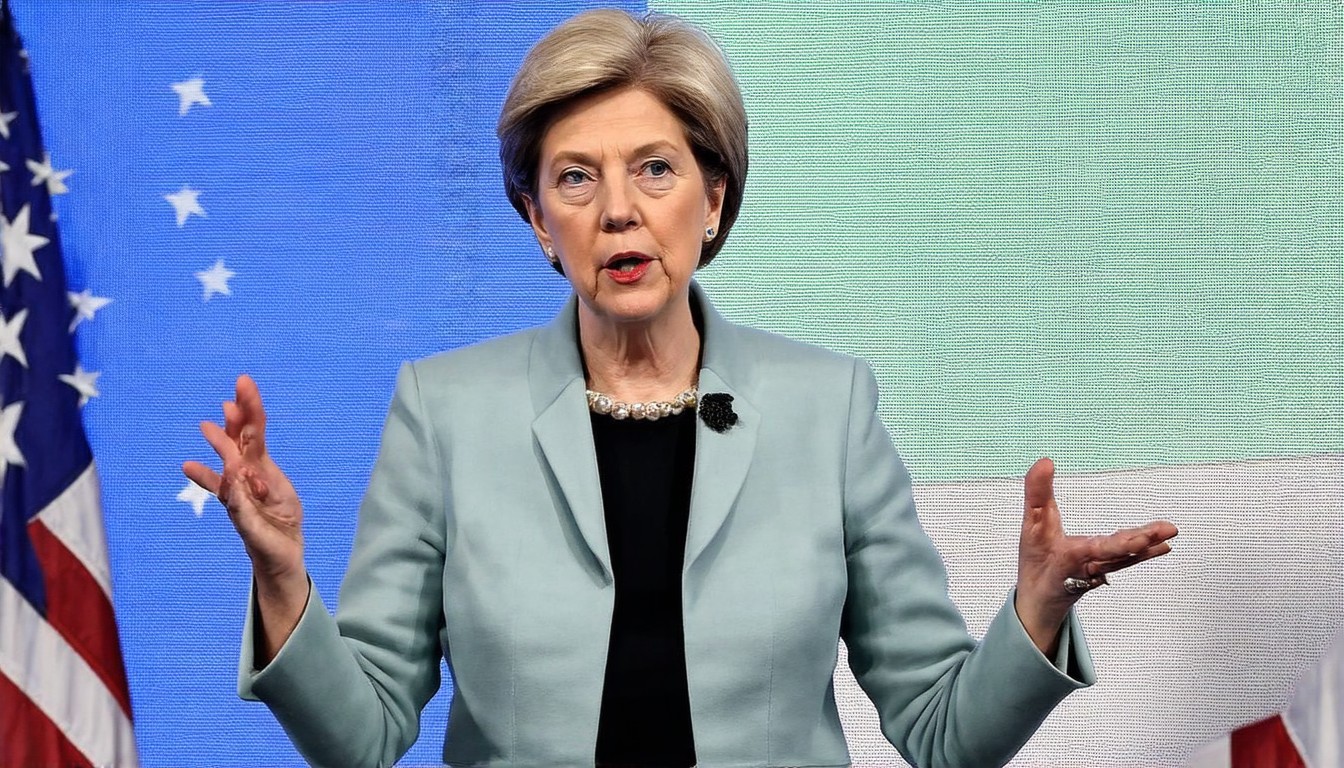
Senator Elizabeth Warren has recently accused the Trump administration of pressuring European Union (EU) countries to relax their tech regulations during trade negotiations. In a statement released by her office, Warren claimed that the administration's focus on trade deals is primarily aimed at benefiting Trump's "tech billionaire friends." This allegation has sparked concerns among policymakers and tech industry experts about the potential impact on consumer protection and data privacy in the EU.
Warren's criticism centers on the Trump administration's trade policies, which she argues prioritize short-term gains for a select group of tech moguls over broader national and international interests. She specifically mentioned that the administration's negotiations with the EU have included pressure to weaken existing regulations that protect consumers from harmful corporate practices. This, according to Warren, could lead to increased market dominance by a few large tech companies, stifling competition and innovation.
The senator's comments come at a time when the EU is considering revising its Digital Services Act (DSA) and Digital Markets Act (DMA), which aim to regulate the behavior of tech giants like Google and Facebook. These proposed regulations are seen as a response to the growing concerns about monopolistic practices, data misuse, and the lack of accountability of these companies. Warren's accusation suggests that the Trump administration is trying to undermine these efforts, potentially jeopardizing the EU's commitment to fair competition and consumer rights.
In response to Warren's allegations, the Trump administration has denied any such pressure, insisting that its trade policies are designed to promote economic growth and create jobs. However, critics argue that the administration's close ties with certain tech billionaires, such as Peter Thiel and Elon Musk, have influenced its approach to trade negotiations. These ties have raised questions about the administration's impartiality and its commitment to protecting public interests.
Warren's statement has drawn support from several consumer protection advocates and lawmakers who have long been critical of the Trump administration's handling of trade agreements. They argue that the administration's focus on trade deals should not come at the expense of consumer safety and data privacy. The senator's comments have also prompted a broader debate about the role of government in regulating the tech industry and ensuring that it operates in the public interest.
The potential impact of the Trump administration's alleged pressure on EU regulations could have far-reaching consequences. If the EU were to relax its tech regulations, it could set a precedent for other countries considering similar measures. This could lead to a global race to the bottom in terms of consumer protection and data privacy standards. Moreover, it could exacerbate existing inequalities in the tech industry, further consolidating power among a few dominant players.
As the debate continues, it is crucial for policymakers and the public to remain vigilant about the potential risks posed by unchecked corporate power. The allegations against the Trump administration highlight the need for robust regulatory frameworks that protect consumers and ensure fair competition in the digital age. Senator Warren's call for transparency in trade negotiations serves as a reminder that the interests of the public must be prioritized over narrow economic agendas or personal connections.
In conclusion, Senator Elizabeth Warren's accusations against the Trump administration for pressuring the EU to relax tech regulations have ignited a significant debate about the balance between trade, competition, and consumer protection. While the administration denies these claims, the allegations underscore the importance of maintaining strong regulatory standards to safeguard public interests in an increasingly digital world. As the EU and other nations grapple with the challenges posed by tech giants, the Trump administration's actions could either help or hinder efforts to create a fairer and more competitive digital landscape.









