
Sen. Warren slams Trump administration for pressuring EU to relax tech regulations
Sen. Warren said the Trump administration trade negotiations are focused on giving advantages to Trump's "tech billionaire friends."
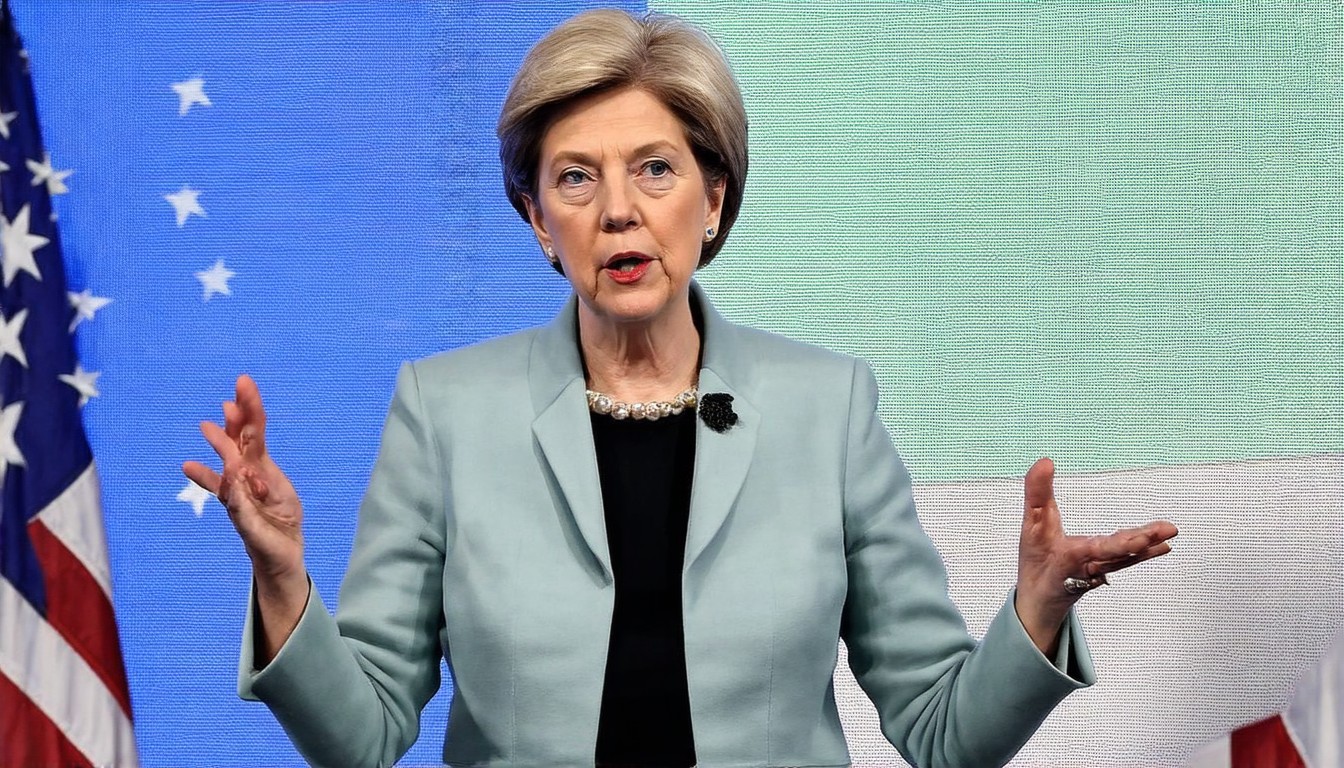
Senator Elizabeth Warren has recently accused the Trump administration of pressuring European Union countries to relax their tech regulations during trade negotiations. In a statement released by her office, Warren claimed that the administration's focus on trade deals is primarily aimed at benefiting Trump's "tech billionaire friends." This allegation has sparked concerns among lawmakers and tech industry experts about the potential impact on consumer safety and data privacy in Europe.
Warren's criticism centers on the Trump administration's trade policies, particularly those involving European nations. She argued that the administration has been pushing for weaker tech regulations in the EU, which could lead to significant consequences for both American and European consumers. By prioritizing these trade deals, Warren suggests, the administration is neglecting the need to protect against potential risks associated with lax regulations in the tech sector.
In her statement, Warren specifically mentioned the administration's efforts to secure favorable terms for U.S. tech companies operating in Europe. She implied that these companies, many of which are closely tied to Trump's personal and business interests, are being given undue advantages through these negotiations. This, in turn, could result in the erosion of existing EU regulations that safeguard consumer rights and data privacy.
The senator's accusations have drawn attention to the broader implications of the Trump administration's approach to international trade. Critics argue that the administration's trade policies are often driven by a lack of transparency and a perceived prioritization of certain industries or individuals over the public interest. In this case, Warren's claims highlight the potential for the administration to be undermining the EU's commitment to robust tech regulations, which are crucial for maintaining trust and safety in the digital marketplace.
Moreover, Warren's statement has prompted questions about the administration's overall strategy in trade negotiations. If the Trump administration is indeed focusing on securing advantages for specific tech billionaires, it raises concerns about the fairness and integrity of these negotiations. This could also have ripple effects on global trade standards, as other countries might perceive the U.S. as pushing for weaker regulations to favor domestic companies.
In response to Warren's allegations, the Trump administration has not yet provided a detailed explanation. However, administration officials have previously defended their trade policies as being in the best interest of American workers and businesses. They argue that by opening up markets and reducing trade barriers, the administration is promoting economic growth and job creation both domestically and abroad.
Despite these defenses, Warren's claims have reignited debates about the role of government in regulating the tech industry and ensuring consumer protection. Critics of the administration's trade policies argue that prioritizing certain industries or individuals over broader public interests can lead to unintended consequences, such as reduced protections for consumers and increased vulnerabilities in the digital realm.
As the debate continues, it remains to be seen how Warren's accusations will influence the Trump administration's trade negotiations with the EU. If the administration's focus on tech billionaires is indeed a driving force behind these negotiations, it could lead to significant shifts in the regulatory landscape of the tech sector in both the U.S. and Europe. This, in turn, could have far-reaching implications for data privacy, consumer safety, and the overall direction of the digital economy.
In conclusion, Senator Elizabeth Warren's accusations against the Trump administration have highlighted concerns about the potential impact of trade negotiations on tech regulations in the European Union. By allegedly prioritizing the interests of Trump's "tech billionaire friends," the administration may be undermining efforts to protect consumers and maintain robust data privacy standards. As the debate unfolds, it will be crucial for lawmakers and industry experts to closely monitor these negotiations and ensure that they are conducted in the best interest of the public.









