Self-healing materials could make automobile parts last over 100 years
Scientists have created a material with the ability to repeatedly and autonomously repair cracks The post Self-healing materials could make automobile parts last over 100 years appeared first on Physics World .
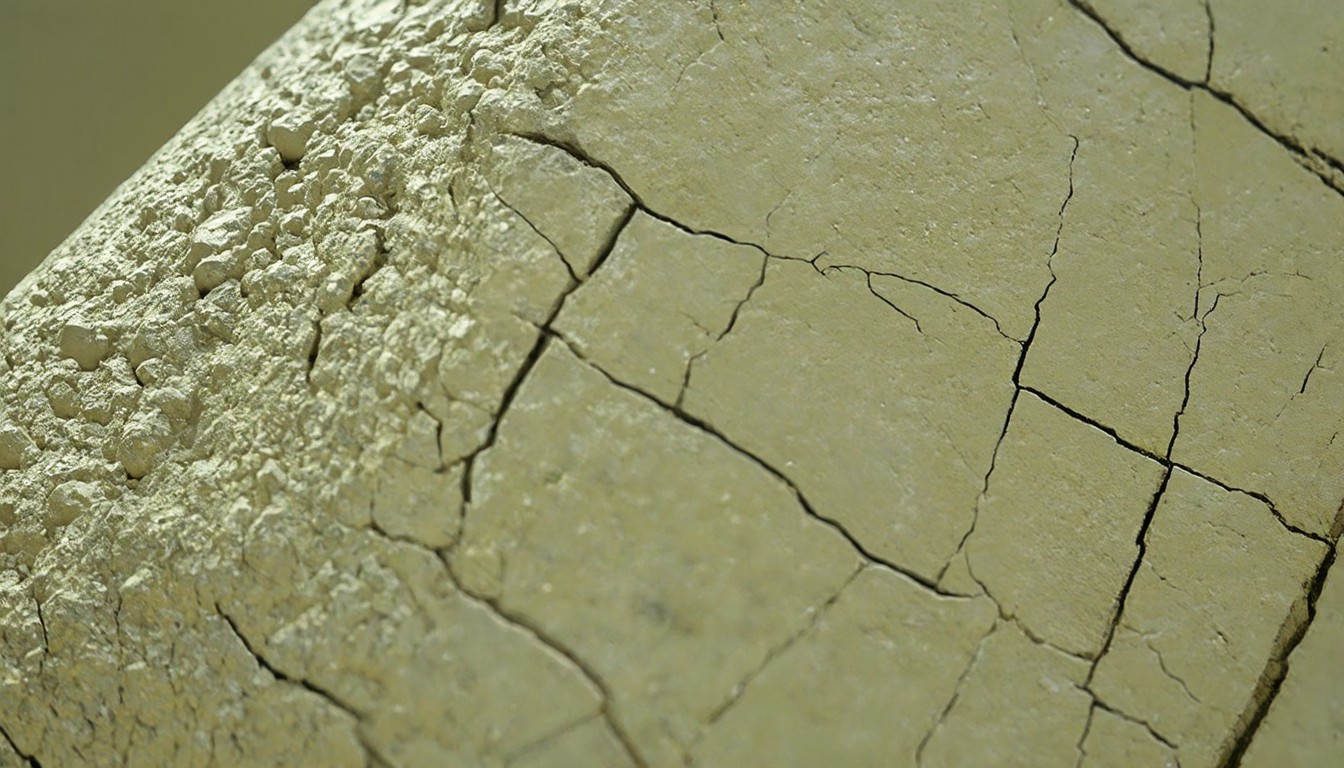
Scientists at North Carolina State University and the University of Houston have made a groundbreaking breakthrough in materials science, creating a composite material that can autonomously and repeatedly repair cracks. This development, published in the Proceedings of the National Academy of Sciences, could extend the lifespan of aircraft and automotive parts by over a century, revolutionizing the durability of critical components in industries like aerospace, naval, and wind energy.
Composite materials, which combine two or more components for balanced strength, flexibility, and durability, are already widely used in these sectors. A natural example is bone, which combines flexible collagen fibers with the stiffness of minerals. Synthetic analogs, such as fiber-reinforced polymers (FRPs), embed strong fibers within a polymer matrix to achieve similar advantages. However, while bonding multiple layers enhances strength, it also makes the material prone to interlaminar delamination—the separation of layers—a common and life-limiting failure mode in FRPs, according to lead researcher Jack Turicek.
Nature's ability to autonomously and repeatedly heal from delamination has long inspired scientists, but achieving a similar feat in synthetic materials has only now become possible. The researchers employed a method known as "thermal remending" to enable self-healing. During the curing process, a healing agent, poly(ethylene-co-methacrylic acid) or EMAA, is embedded into a glass-fibre epoxy-matrix composite. This forms strong covalent bonds between EMAA and the epoxy.
To test their materials, the researchers systematically created a fracture by applying controlled tensile loading until the fracture reached 50 mm. To initiate healing, they warmed the material using built-in electrical heaters. The heat vaporized small water bubbles created during the initial curing process, which produced a microporous network that physically expanded and spread the EMAA into the fracture—a process referred to as the "pressure delivery mechanism."
The self-healing capability of the material was further validated through repeated cycles of fracturing and healing. Each cycle showed that the material could autonomously repair itself, demonstrating the potential for long-term durability. This breakthrough not only addresses the challenge of interlaminar delamination but also opens new avenues for designing materials that can adapt and self-repair under various conditions.
The implications of this research are significant for industries reliant on composite materials, where the lifespan of components is a critical factor. By extending the lifespan of aircraft and automotive parts by over a century, the self-healing material could reduce maintenance costs, improve safety, and contribute to more sustainable manufacturing practices. Moreover, the principles behind this innovation may inspire further advancements in materials science, paving the way for a new generation of adaptive and resilient materials.
In conclusion, the development of a self-healing composite material by researchers at North Carolina State University and the University of Houston represents a major leap forward in materials science. By harnessing the power of thermal remending and a carefully designed healing agent, the material can autonomously repair cracks, potentially transforming the durability and longevity of critical components in various industries. This groundbreaking discovery not only addresses existing challenges in composite materials but also sets the stage for future innovations that could redefine the way materials are designed and utilized in a wide range of applications.