Seeds of Change, Part II – Breeding, Footprints and Future Pathways
In Part 2 of Seed World Europe’s Seeds of Change series, leaders from Bayer, Semillas Fitó, RiceTec and Syngenta explain how sustainability in the seed sector goes beyond field traits to include operations, culture and collaboration. Through shared action under ISF’s ESR-CG, companies are aligning breeding innovation, measurable targets and internal practices to deliver more productive, responsible and climate-resilient agriculture. The post Seeds of Change, Part II – Breeding, Footprints and Future Pathways appeared first on Seed World .
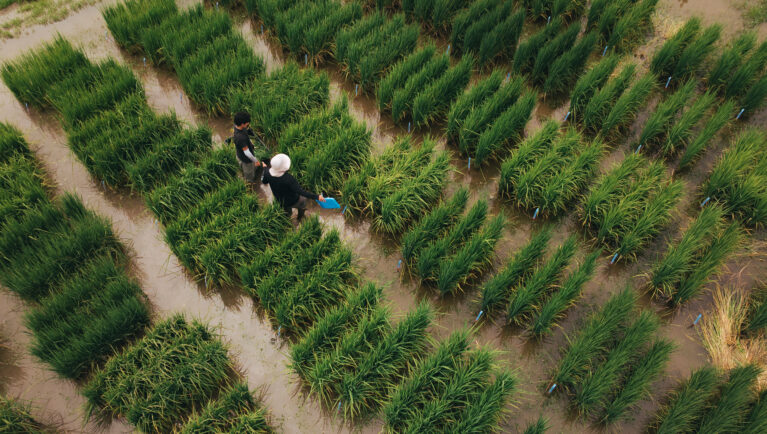
In the second installment of Seed World Europe’s Seeds of Change series, sustainability in the seed sector is explored beyond the field traits that farmers rely on. Leaders from Bayer, Semillas Fitó, RiceTec, and Syngenta discuss how sustainability encompasses operations, culture, and collaboration, going beyond the traditional focus on plant characteristics. Through shared action under the International Seed Federation’s (ISF) Environmental and Social Responsibility Coordination Group (ESR-CG), these companies are aligning breeding innovation, measurable targets, and internal practices to deliver more productive, responsible, and climate-resilient agriculture.
When plant breeders think about sustainability, they often consider traits that enable crops to withstand harsh weather, use water more efficiently, and grow stronger with reduced chemical interventions. However, sustainability extends far beyond the field. It also involves how seed companies manage their operations, from research facilities to supply chains, and how they translate innovation into tangible benefits for farmers and the planet.
What makes these efforts even more impactful is the collaborative nature of the initiatives. Through the ISF’s ESR-CG, leading seed companies are uniting around shared priorities, exchanging knowledge, and presenting a unified front on horizontal sustainability issues. This association-driven collaboration reflects a collective spirit: being stronger together, amplifying impact, and ensuring that sustainability becomes embedded across the sector, from breeding strategies to business practices.
In the second part of the Seeds of Change series, Seed World Europe spoke with four industry leaders—Cristiane Lourenço, director of global sustainability and smallholder farmers at Bayer; Eduard Fitó, president of Semillas Fitó; José Ré, sustainable ag science advisor for RiceTec; and Jason Allerding, global head of HSE, sustainability and risk management seeds for Syngenta—to explore how these companies are using science, technology, and company culture to make agriculture both more productive and more responsible.
At Bayer, breeding for sustainability involves addressing complexity on multiple fronts. “It takes a broad range of traits to tackle the challenges facing farmers,” says Lourenço. “Yield potential, climate resilience, pest resistance, and nutritional value—while reducing the need for chemical inputs—are all critical components of sustainable agriculture.” Bayer’s approach integrates these traits into its breeding programs, ensuring that the resulting crops can thrive in a changing climate while supporting farmers’ economic needs.
Semillas Fitó, a family-owned seed company, takes a holistic view of sustainability. President Eduard Fitó emphasizes the importance of aligning breeding efforts with the needs of smallholder farmers and the environment. “Our goal is to create seeds that are not only high-performing but also easy to grow and maintain,” he explains. “This approach not only benefits farmers but also reduces the environmental footprint of agriculture.”
RiceTec, a global leader in rice breeding, focuses on developing climate-resilient varieties that can withstand extreme weather conditions. Sustainable ag science advisor José Ré highlights the company’s commitment to using cutting-edge technology, such as genomic selection, to accelerate the development of high-yielding, drought-tolerant rice varieties. “By investing in innovative breeding techniques, we can help ensure food security in the face of climate change,” he says.
Syngenta’s global head of HSE, sustainability, and risk management seeds, Jason Allerding, underscores the importance of integrating sustainability into the company’s core values and operations. “Our culture prioritizes innovation, collaboration, and a deep commitment to environmental stewardship,” he notes. “By fostering a culture that values sustainability at every level, we can drive meaningful change across the agricultural sector.”
The collaboration between these companies, facilitated by the ISF’s ESR-CG, is paving the way for a more sustainable future in the seed industry. By aligning their breeding efforts, setting measurable targets, and adopting responsible practices, these companies are working together to create a more productive and responsible agricultural system. This collective approach not only strengthens the seed sector but also ensures that sustainability becomes a cornerstone of global agriculture, benefiting both farmers and the planet.
As the seed industry continues to innovate and adapt to the challenges of climate change, the commitment to sustainability will remain at the forefront of breeding efforts. Through collaboration, shared knowledge, and a unified vision, the leaders of Bayer, Semillas Fitó, RiceTec, and Syngenta are laying the groundwork for a future where agriculture can thrive in harmony with the environment, ensuring food security and a healthier planet for generations to come.