Secunderabad Dominates SCR Post-Redivision from June 1
The South Central Railway (SCR) zone has officially implemented a significant redivision, effective June 1, 2026, establishing Secunderabad as its largest operational division, now overseeing over 55% of the zone's network. This strategic reorganization, impac
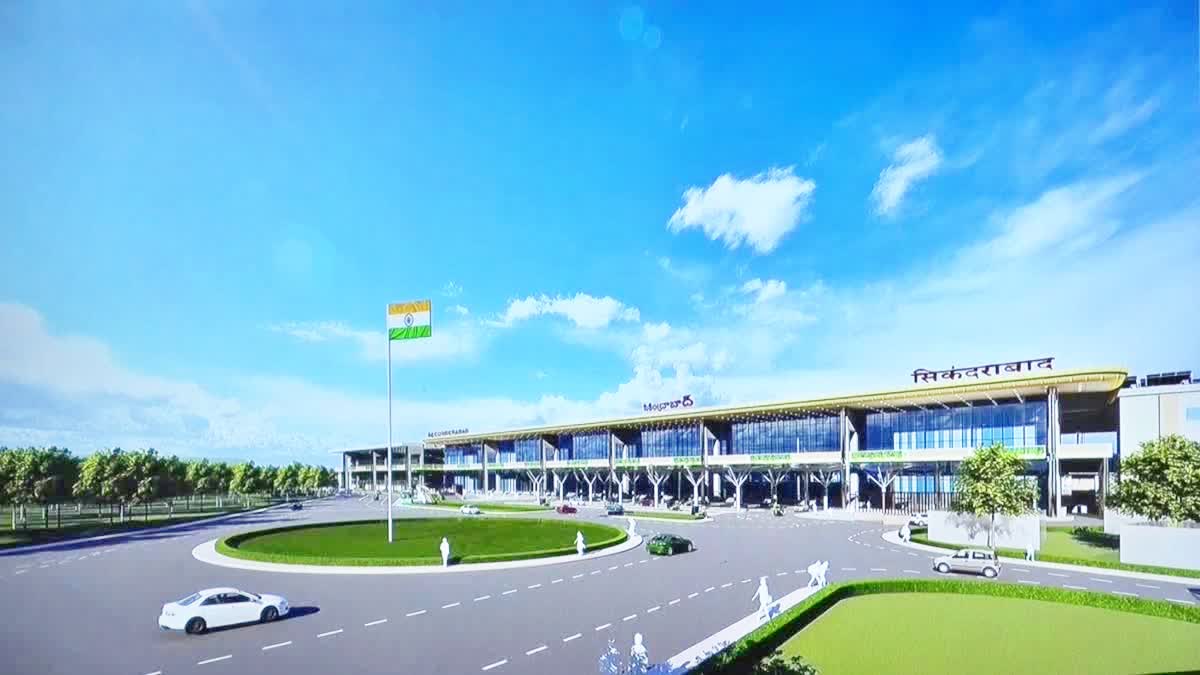
The South Central Railway (SCR) zone has embarked on a significant operational transformation, with a comprehensive redivision of its administrative and functional boundaries now officially in effect. This pivotal restructuring, which commenced operations with its new borders from June 1, 2026, has notably positioned the Secunderabad division as the largest and most extensive operational entity within the revamped zone. This strategic move is poised to redefine the landscape of railway administration and operations across a substantial and vital network, impacting millions of commuters and freight movements daily.
Under the newly implemented framework, the Secunderabad division has dramatically expanded its purview, now encompassing an impressive share of over 55 percent of the entire South Central Railway zone's network. This substantial expansion solidifies Secunderabad's long-standing role as a critical railway hub, elevating it to a predominant position in terms of operational scale and administrative responsibility. The sheer volume of network under its jurisdiction underscores its enhanced strategic importance within the national railway grid, making it a central pillar for regional connectivity and logistical coordination.
The geographical footprint of the South Central Railway zone is extensive, stretching across multiple states in the Indian subcontinent. While Secunderabad anchors a significant portion, the zone's network also extends its operational reach into substantial areas of Maharashtra. Furthermore, it partially encompasses key regions within Karnataka, Andhra Pradesh, and Madhya Pradesh. The redivision, therefore, is not merely an internal administrative adjustment but a multi-state operational shift, necessitating meticulous planning, seamless coordination, and robust implementation across these diverse territories to ensure uninterrupted services.
Railway redivisions are typically undertaken with a clear vision: to enhance overall operational efficiency, streamline complex administrative processes, and ultimately improve the quality and reliability of service delivery to the public. Such reorganizations are often driven by the need to optimize resource allocation, reduce logistical bottlenecks, and foster more effective management of railway assets, personnel, and infrastructure. The underlying objective is always to create a more responsive, agile, and efficient railway system capable of meeting the evolving demands of both passenger transport and freight logistics in a rapidly developing nation.
The implementation of "new borders" from June 1 signifies a comprehensive overhaul of existing operational territories, rather than just a minor tweak. This involves a detailed reassessment and adjustment of train routes, a redistribution of maintenance responsibilities for tracks and rolling stock, and a recalibration of traffic management systems to align with the new divisional boundaries. Such a significant change is expected to lead to clearer lines of command, improved inter-departmental coordination, and a more rational distribution of workload, all aimed at ensuring seamless train movements and the efficient handling of the vast railway infrastructure.
With over 55 percent of the network now falling under its direct control, the Secunderabad division is poised to shoulder considerably increased responsibilities. This expanded mandate will likely involve managing a larger volume of both passenger and freight traffic, overseeing an even more extensive network of tracks and stations, and coordinating with a broader array of stakeholders, including state governments, local authorities, and various industrial partners. Secunderabad's strategic geographical location and its already well-established infrastructure make it an ideal candidate for this enhanced and pivotal role.
The redivision is anticipated to bring tangible benefits to a wide spectrum of users, from daily commuters to large-scale freight operators. Improved administrative oversight and a more streamlined operational structure could translate directly into better punctuality for trains, enhanced safety measures across the network, and significantly more efficient movement of goods. For passengers, this could mean improved connectivity, reduced travel times, and better amenities at stations. For industries, it promises faster and more reliable transportation of raw materials and finished products, thereby providing a crucial boost to regional economies.
This strategic redivision within the South Central Railway zone aligns perfectly with the broader national agenda of modernizing and expanding India's vast railway infrastructure. It reflects a proactive and forward-thinking approach by the railway authorities to adapt to the ever-increasing demands placed on the railway system by a growing population and a burgeoning economy. Such structural changes are not merely administrative formalities; they are crucial steps towards future growth, capacity enhancement, and ensuring that the Indian Railways continues to serve as the indispensable backbone of national connectivity and economic activity.
The successful commencement of operations under these new borders from June 1 marks a significant milestone in the ongoing evolution of the South Central Railway. It will undoubtedly require continuous monitoring, evaluation, and adaptive management to ensure that all aspects of the redivision function smoothly and deliver the intended benefits. The railway authorities will remain focused on leveraging this comprehensive reorganization to deliver superior services, enhance safety standards, and improve overall operational efficiency. This monumental move is strategically poised to strengthen the South Central Railway's capabilities and resilience for decades to come, ensuring its continued contribution to India's progress.
In conclusion, the redivision of the South Central Railway zone, culminating in Secunderabad's emergence as its largest and most dominant division, represents a monumental and forward-looking step. This strategic reorganization, effective from June 1, 2026, is expected to usher in an era of enhanced efficiency, streamlined operations, and significantly improved service delivery across its expansive multi-state network. It underscores a steadfast commitment to optimizing India's vast and complex railway system, preparing it for future challenges and harnessing its immense potential for national development.