
Scientists Map the Genetic Diversity of Soybean’s Most Damaging Pest
Scientists at the University of Illinois have developed the first soybean cyst nematode pangenome, revealing the pest’s genetic diversity and helping researchers understand how SCN overcomes soybean resistance. The post Scientists Map the Genetic Diversity of Soybean’s Most Damaging Pest appeared first on Seed World .
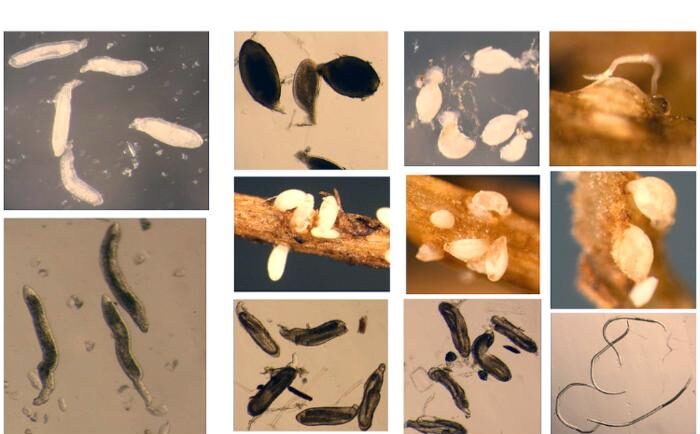
Scientists at the University of Illinois have recently made a significant breakthrough in understanding the genetic diversity of soybean cyst nematode (SCN), the most damaging pest of soybeans in the United States. By developing the first soybean cyst nematode pangenome, researchers have gained valuable insights into how this pest overcomes soybean resistance, a critical issue for the industry.
Soybean cyst nematode is responsible for at least $1.5 billion in yield losses each year, making it a major threat to soybean farmers. For decades, genetic resistance has been the primary defense against this pest. However, as SCN populations evolve, this protection is beginning to weaken, prompting the need for new strategies to combat the nematode.
The multi-institutional research team, led by the University of Illinois Urbana-Champaign, has produced the first pangenome for the pest, a comprehensive genetic map that reveals the genetic diversity and adaptability of SCN populations. This groundbreaking work was supported by the North Central Soybean Research Program and the Illinois Soybean Association.
Matt Hudson, a professor in the Department of Crop Sciences at Illinois and senior author of the study, explained that the SCN pangenome allows for population genetic analysis of nematodes to understand how they overcome resistance. Hudson believes that the pangenome could eventually support tools that help farmers identify which soybean resistance sources are most effective in a given region. In the longer term, it may also help researchers design strategies to suppress the most virulent SCN populations before they cause yield losses.
A pangenome captures the full genetic diversity of a species rather than relying on a single reference genome. For decades, the standard practice has been to choose a single individual and treat it as the reference. Lucas Borges dos Santos, a doctoral student in the Informatics Program at Illinois, likened this to choosing a single person to represent all of the genetic diversity of the human species, which is clearly impossible.
The development of the SCN pangenome represents a significant step forward in understanding the genetic diversity of this pest and how it adapts to overcome soybean resistance. By providing a comprehensive genetic map, researchers can now better understand the mechanisms behind the nematode's adaptability and work towards more effective strategies to protect soybean crops. This breakthrough is crucial for the soybean industry, as it offers a pathway to mitigate the economic impact of this devastating pest and ensure the sustainability of soybean production.
In conclusion, the first soybean cyst nematode pangenome developed by the University of Illinois research team offers a unique opportunity to study the genetic diversity of this pest and understand its ability to overcome soybean resistance. This groundbreaking work has the potential to revolutionize pest management strategies and provide valuable tools for farmers to identify the most effective resistance sources in their regions. As the nematode continues to evolve, the insights gained from this pangenome will be essential in developing long-term solutions to protect soybean crops and maintain agricultural productivity.









