Scientists Found an Entirely New Branch of Deep-Sea Creatures Right Where the US government Wants to Mine for Battery Metals
Researchers identified 24 new creatures and an entire superfamily of species in the Pacific, all while NOAA moves to fast-track deep-sea mining permits there.
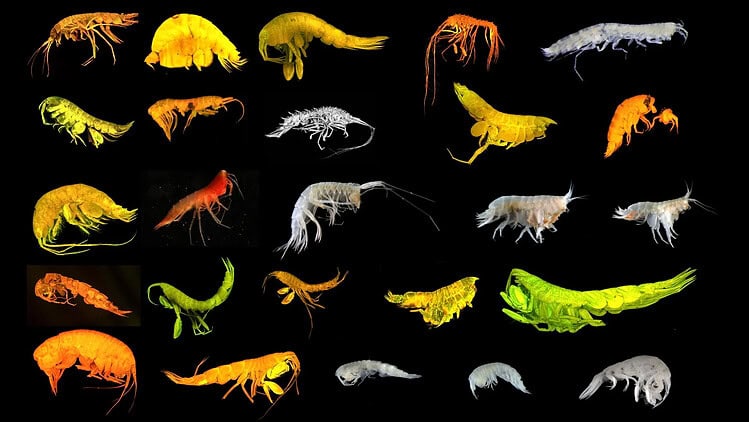
In a remarkable discovery, a team of scientists has identified 24 entirely new species and an entire superfamily of deep-sea creatures in the Pacific Ocean, just as the U.S. government is moving to fast-track permits for deep-sea mining in the same region. This unexpected find has raised concerns about the potential impact of mining activities on this previously unexplored ecosystem.
The research, conducted over several years, involved extensive underwater exploration and analysis of samples collected from the ocean floor. The team, comprising marine biologists from various institutions, utilized advanced imaging technology and genetic sequencing to identify the new species. Among the discoveries are unique species of fish, cephalopods, and other invertebrates that have adapted to the extreme pressures and darkness of the deep sea.
One of the most significant findings is the identification of a new superfamily, which includes several previously unknown genera and species. This superfamily, tentatively named "Pacificum," is characterized by distinct morphological features and behaviors that set it apart from other deep-sea life forms. The discovery of such a diverse and specialized group of organisms underscores the importance of preserving these fragile ecosystems.
The timing of this discovery coincides with the U.S. National Oceanic and Atmospheric Administration (NOAA) announcing plans to fast-track permits for deep-sea mining in the Pacific. The agency has been granted authority to issue permits for mining battery metals such as lithium, cobalt, and nickel, which are critical for the growing global demand for electric vehicles and energy storage. The proposed mining activities would take place in areas where the new species have been discovered, raising concerns about the potential ecological consequences.
Ecologists and conservationists have expressed alarm at the prospect of mining in these sensitive environments. The deep sea is home to a vast array of unique and fragile ecosystems that are still poorly understood. The impact of large-scale mining operations, such as the displacement of sediments, the release of toxic substances, and the destruction of habitats, could have severe and irreversible effects on these species and the overall health of the ocean.
In response to these concerns, NOAA has pledged to conduct thorough environmental impact assessments before issuing permits. The agency has also emphasized its commitment to balancing the need for resource extraction with the protection of marine life. However, critics argue that the fast-tracking of permits undermines the rigor of these assessments and may lead to hasty decisions that could jeopardize the ecosystem.
The discovery of the new deep-sea creatures has prompted calls for a reevaluation of the proposed mining plans. Advocates for marine conservation are urging policymakers to prioritize scientific research and conservation efforts over short-term economic gains. They argue that the potential loss of biodiversity and the disruption of delicate ecosystems could outweigh the benefits of mining.
Meanwhile, proponents of deep-sea mining point to the global demand for battery metals and the need for sustainable energy solutions. They contend that advancements in technology could minimize the ecological impact of mining operations, provided they are conducted responsibly and with adequate safeguards.
As the debate continues, the discovery of the new deep-sea species serves as a stark reminder of the vast unknowns that still exist in our oceans. It highlights the urgent need for a more comprehensive understanding of these ecosystems and the development of strategies to protect them from human activities. The challenge now lies in finding a balance between the demands of resource extraction and the preservation of the planet's fragile marine biodiversity.
In the coming months, the U.S. government will face significant pressure to address these concerns and make informed decisions about the future of deep-sea mining in the Pacific. The discovery of the new species and superfamily will undoubtedly play a crucial role in shaping the public discourse and policy decisions surrounding this contentious issue.
As the scientific community continues to explore and document the depths of the ocean, the race to harness its resources intensifies. The discovery of the new deep-sea creatures serves as a call to action, urging policymakers and industries to tread carefully and prioritize the protection of these unique and irreplaceable ecosystems. The fate of these newly identified species and the health of the deep-sea environment hangs in the balance, as the world grapples with the complex interplay between innovation, sustainability, and conservation.