
Scientists build artificial neurons that work like real ones
UMass Amherst engineers have built an artificial neuron powered by bacterial protein nanowires that functions like a real one, but at extremely low voltage. This allows for seamless communication with biological cells and drastically improved energy efficiency. The discovery could lead to bio-inspired computers and wearable electronics that no longer need power-hungry amplifiers. Future applications may include sensors powered by sweat or devices that harvest electricity from thin air.
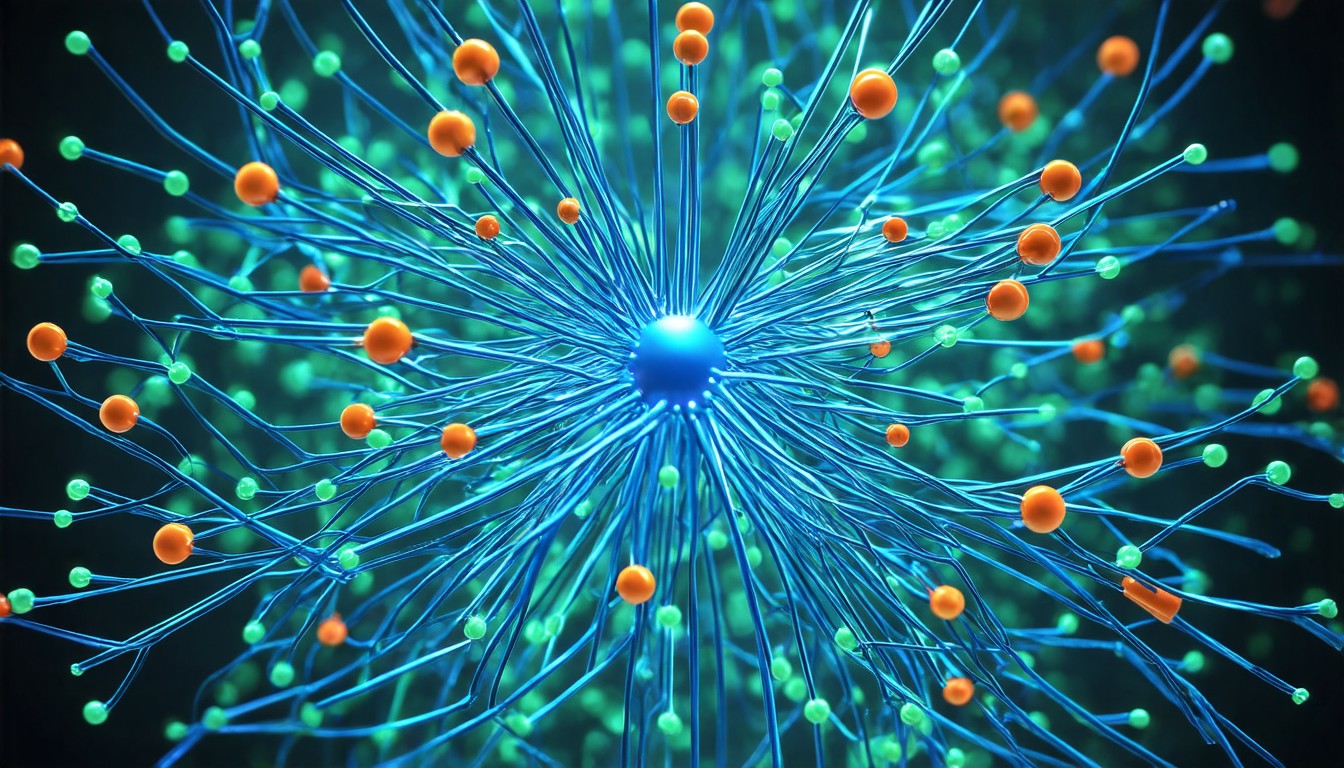
In a groundbreaking development in neurotechnology, researchers at the University of Massachusetts Amherst have successfully created artificial neurons that mimic the function of real biological neurons. These innovative artificial neurons are powered by bacterial protein nanowires, enabling them to operate at extremely low voltage levels. This breakthrough not only opens up new possibilities for seamless communication between artificial and biological systems but also promises significant advancements in energy efficiency, which could revolutionize the field of electronics.
The artificial neurons, developed by a team of engineers led by Dr. Xiaodong Xi, are designed to function in a manner that closely resembles the behavior of natural neurons. By utilizing bacterial protein nanowires, these artificial neurons can transmit signals with remarkable accuracy, even at voltage levels far below what is typically required for conventional electronic devices. This low-voltage operation is a game-changer in the realm of wearable electronics and bio-inspired computing, as it drastically reduces the energy consumption associated with traditional amplifiers.
One of the key advantages of this new artificial neuron design is its ability to communicate effectively with biological cells. This capability could pave the way for the development of advanced medical devices and prosthetics that are more integrated with the human nervous system. For instance, researchers are already exploring the potential of these neurons to create more sophisticated neural interfaces that can help restore function in individuals with spinal cord injuries or other neurological conditions.
Moreover, the energy-efficient nature of these artificial neurons holds great promise for the future of computing. Traditional computers and electronic devices often rely on power-hungry amplifiers to function, which can lead to significant energy waste and environmental concerns. By leveraging the low-voltage operation of bacterial protein nanowires, bio-inspired computers could be developed that are far more energy-efficient, making them more sustainable and environmentally friendly.
The potential applications of this technology extend beyond computing and medical devices. Researchers are also investigating the possibility of creating sensors that can be powered by bodily fluids such as sweat. By harnessing the energy generated by the body's natural processes, these sensors could provide continuous monitoring of vital signs or other health metrics without the need for external power sources.
Another exciting avenue of exploration is the development of devices that can harvest electricity from the air. By integrating these artificial neurons with ambient energy harvesting techniques, it may become possible to create wearable electronics that can operate for extended periods without the need for frequent recharging. This could lead to a new generation of devices that are more convenient and practical for everyday use.
The creation of artificial neurons powered by bacterial protein nanowires represents a significant leap forward in the field of neurotechnology. By mimicking the function of real neurons at low voltage levels, these innovations hold the potential to transform various industries, from healthcare and computing to wearable electronics and sustainable energy solutions. As researchers continue to explore the possibilities of this groundbreaking technology, it is clear that we are witnessing the dawn of a new era in the integration of artificial and biological systems.









