
Scientist Thawing Out Fragments of His Friend’s Cryogenically Preserved Brain
What else are friends for? The post Scientist Thawing Out Fragments of His Friend’s Cryogenically Preserved Brain appeared first on Futurism .
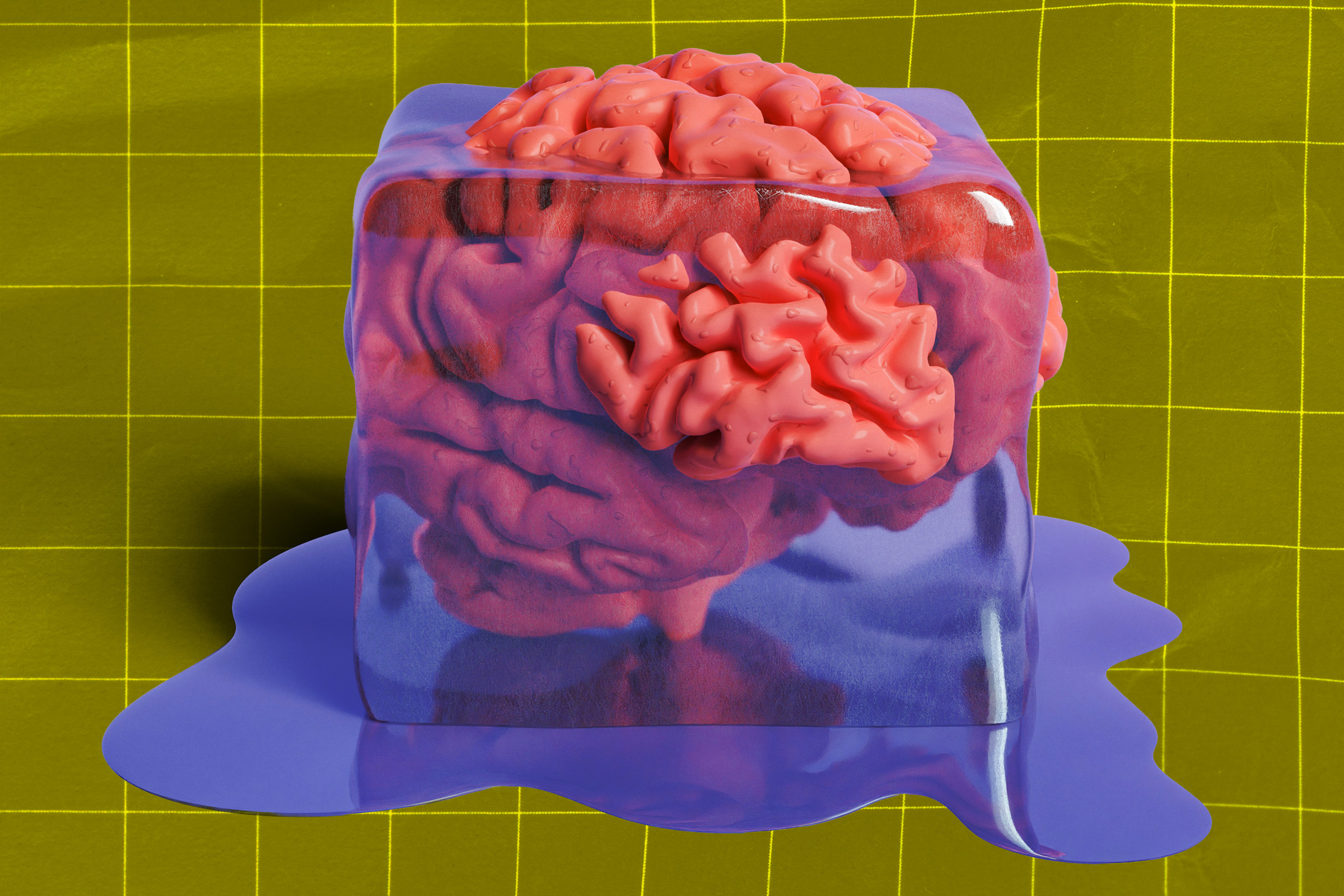
In a poignant and unusual tribute to friendship, Greg Fahy, an acryobiologist, has begun thawing out fragments of his late friend L. Stephen Coles' cryogenically preserved brain. Coles, a renowned biogerontologist, was declared legally dead in 2014, and his brain was then placed in a vat in Arizona, held at an extreme temperature of -146 degrees Celsius, or nearly -295 degrees Fahrenheit. For over a decade, the brain—or rather, chunks of it—remained frozen, a chilling testament to Coles' visionary aspirations and his trust in future scientific advancements.
When Coles passed away, he left specific instructions for his brain to be preserved and studied at a later date. He was one of the first patients in the world to opt for brain-only cryopreservation, a procedure sometimes referred to as "neuropreservation." This process involves decapitating the subject after death and freezing their disembodied head. Typically, individuals who choose cryopreservation hope that advanced medical science in the future will enable them to be revived. However, Coles' intentions were more scientific in nature.
"He thought that if he had himself cryopreserved, we could learn from his brain whether cracking was going to happen or not," Fahy told MIT Technology Review, referring to the kind of damage that occurs to human organs when subjected to such extreme temperatures. Coles' brain was stored at a lower temperature and preserved with a slurry of "cryoprotective" chemicals, which helped it withstand the harsh conditions.
Fahy, who is carrying out the biopsy over a decade after Coles' death, was surprised by the state of the preserved brain tissue. "It's astonishingly well preserved," he told the publication. Where one would usually expect the chemical brew to wreak havoc on the brain cells, Fahy found the structure of the tissue to have survived relatively intact. This discovery has given him hope that the organ might one day be reanimated.
Following the cryogenic playbook, Fahy told Technology Review, "it seems that you can preserve everything." However, there are still some caveats to consider. The tissue chunks that have been thawed so far have shown remarkable preservation, but the long-term implications of such extreme freezing and the potential for future revival remain uncertain.
Despite the uncertainties, the story of Coles' preserved brain serves as a poignant reminder of the power of friendship and the relentless pursuit of knowledge. Fahy's decision to thaw and study Coles' brain reflects a deep commitment to both their friendship and the scientific endeavor that Coles so passionately championed. As the field of cryopreservation continues to evolve, the case of Coles' brain may hold valuable lessons for future researchers, offering insights into the potential and limitations of preserving human tissue under extreme conditions.
In the end, the story of Coles' preserved brain is not just about the scientific curiosity of cryopreservation, but also about the enduring bonds of friendship and the relentless quest for understanding. It is a testament to the enduring legacy of a scientist who believed in the power of knowledge and the possibility of a future where his brain might yet contribute to groundbreaking discoveries.








