
Schweizer Bahn: Stadler zieht Beschwerde gegen SBB-Auftrag an Siemens zurück
Der Schweizer Zugbauer hat sich im Streit um eine Auftragsvergabe ungerecht behandelt gefühlt. Das Unternehmen zieht den Rechtsstreit nach Akteneinsicht zurück.
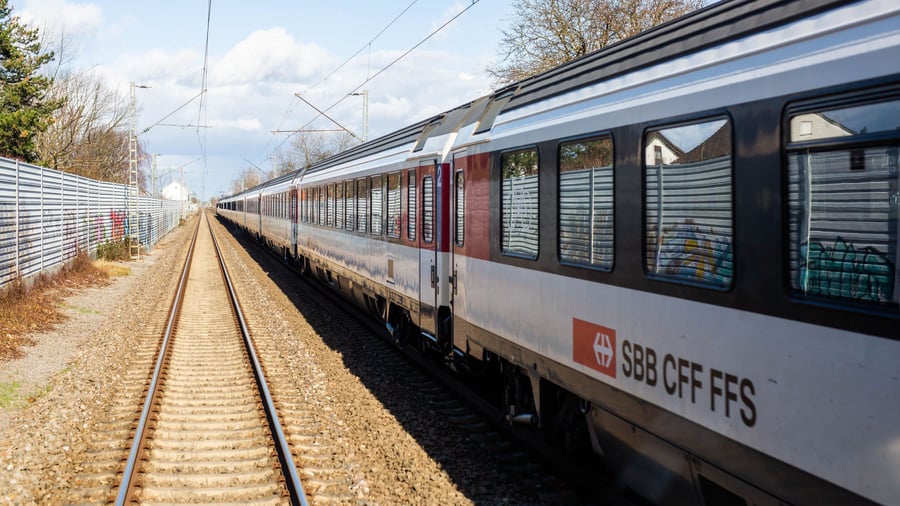
The Swiss train manufacturer Stadler has withdrawn its legal challenge against the Swiss Federal Railways (SBB) over a contract dispute, following an internal review of the documents involved. The decision comes after Stadler felt it had been treated unfairly in the awarding of a contract to Siemens.
The dispute arose when SBB awarded a contract to Siemens for the delivery of 350 new trains, worth around 1.5 billion Swiss francs. Stadler, which had been competing for the contract, claimed that the bidding process was not conducted fairly and that Siemens had received preferential treatment. As a result, Stadler initiated legal action against SBB, arguing that the contract award was unlawful.
However, upon conducting a thorough review of the contract documents and the bidding process, Stadler's management team concluded that there was insufficient evidence to support their claims. The company's decision to withdraw the legal challenge was made public in a statement released by its headquarters in Bussnang, Switzerland.
In the statement, Stadler expressed disappointment at the outcome of the contract award but acknowledged that the legal review had not uncovered any irregularities. The company emphasized its commitment to maintaining a constructive relationship with SBB and other key stakeholders in the Swiss railway industry.
The withdrawal of Stadler's legal challenge has been welcomed by SBB, which has been embroiled in a series of contract disputes in recent years. The railway operator's spokesperson stated that the decision to award the contract to Siemens was based on a transparent and fair evaluation process, and that SBB was committed to ensuring that all procurement decisions were made in the best interests of the company and its passengers.
The Siemens contract, which is one of the largest ever awarded by SBB, will see the delivery of 350 new trains over a period of several years. These trains will be used on regional and long-distance services across Switzerland, replacing older rolling stock and helping to improve the efficiency and reliability of the national railway network.
The decision by Stadler to withdraw its legal challenge marks a significant development in the ongoing tensions between Swiss train manufacturers and SBB. While the company has not won the contract, it has at least avoided the lengthy and costly legal battle that would have ensued if the case had proceeded to court.
The withdrawal of the legal challenge also highlights the importance of transparency and fairness in public procurement processes. It serves as a reminder that all parties involved in such contracts must adhere to strict ethical and legal standards to ensure that the bidding process is conducted in a manner that is both equitable and transparent.
In the aftermath of the decision, Stadler will focus on its existing business relationships and future opportunities in the Swiss railway market. The company has a strong track record in the production of high-quality trains and is likely to continue to play a significant role in the modernization and expansion of Switzerland's railway network.
For SBB, the resolution of the Stadler dispute is a step towards stabilizing its relationship with key suppliers in the industry. The railway operator will now be able to focus on implementing the Siemens contract and ensuring that the new trains are delivered on time and meet the high standards expected by Swiss passengers.
The Stadler case is a cautionary tale for all companies involved in public procurement processes. It underscores the need for careful evaluation of contract documents and the importance of maintaining a clear and open line of communication with suppliers. In the end, the decision to withdraw the legal challenge demonstrates that Stadler has chosen to prioritize its long-term relationships and future prospects over the short-term gains of a contentious legal battle.








