
Scaling Uber with Thuan Pham (Uber’s first CTO)
Thuan Pham (Uber's first CTO) on scaling Uber from constant outages to global infrastructure, the shift to microservices and platform teams, and how AI is reshaping engineering.
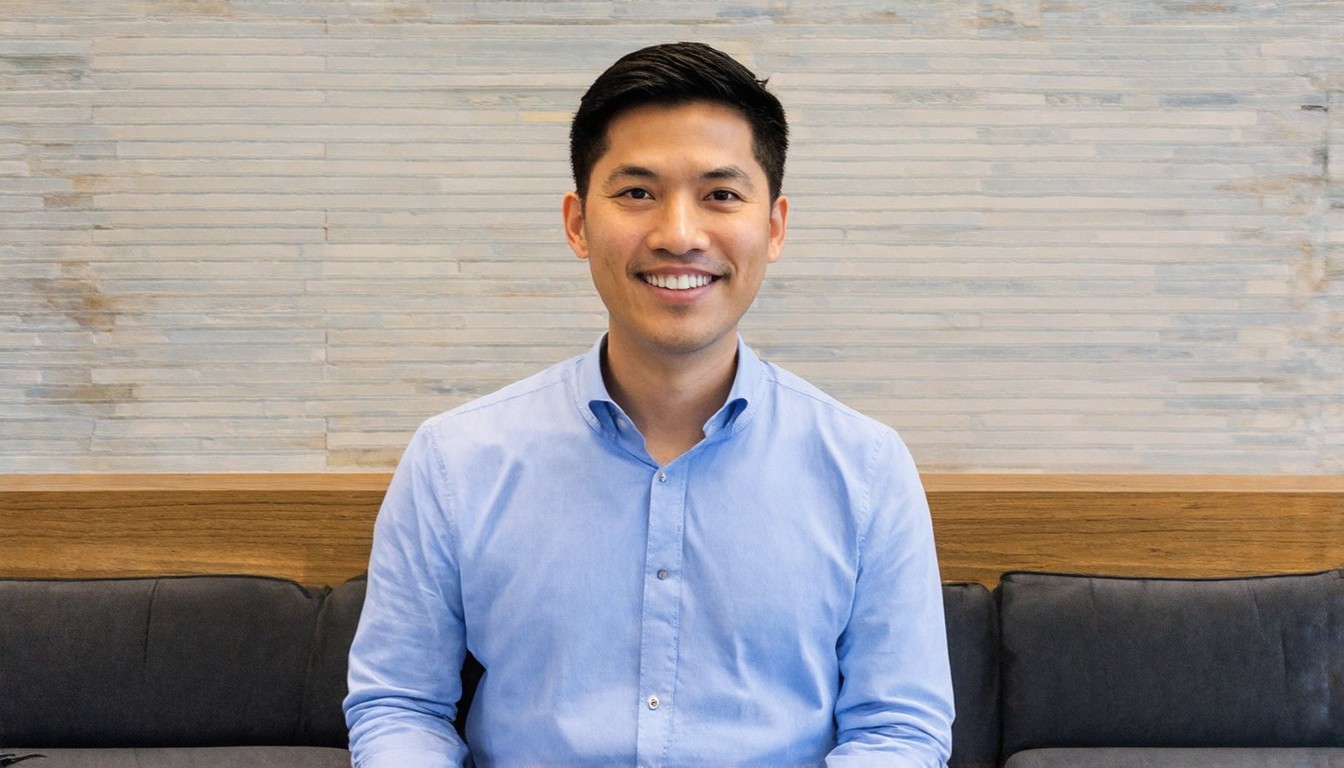
Thuan Pham, Uber's first and longest-serving CTO, played a pivotal role in transforming the company from a startup with frequent outages to a global infrastructure powerhouse. Over seven years, Pham helped rebuild Uber's system, transitioning it from a monolithic architecture to microservices and scaling the engineering organization that supported it.
When Pham joined Uber in 2010, the company had around 40 engineers and 30,000 rides per day, but the system crashed multiple times a week. His first challenge was to stabilize the platform, ensuring it could handle the growing demand without crashing. This required a significant overhaul of the infrastructure and a focus on reliability.
One of the key decisions Pham made was to shift from a monolithic architecture to microservices. This architectural change allowed Uber to scale more efficiently and make it easier to maintain and update individual components. The move to microservices also enabled the creation of platform teams, which were dedicated to building and supporting core Uber services. These teams were responsible for developing and maintaining the infrastructure that powered the entire ecosystem, from ride-hailing to food delivery.
Pham divided his time at Uber into three "tours of duty." The first was stabilizing the system, the second was re-architecting it, and the third was scaling the engineering organization. Each phase built on the previous one, allowing Uber to grow and adapt as it expanded globally.
The shift to microservices and platform teams was not without its challenges. As Uber scaled, managing the interactions between different microservices became increasingly complex. Pham and his team had to develop new strategies for monitoring and managing the system, ensuring that it remained stable and reliable as it grew.
In addition to architectural changes, Pham also emphasized the importance of adopting new technologies and approaches to engineering. He highlighted the role of AI in reshaping engineering practices, particularly in areas like automated code review and security. Tools like SonarQube Advanced Security helped Uber reduce outages, improve security, and lower risks associated with AI and agentic coding.
Pham's work at Uber laid the foundation for the company's global infrastructure, enabling it to handle millions of daily rides and deliveries. His experience also informed his current role as CTO of Faire, a B2B wholesale platform.
Today, Uber's engineering practices continue to evolve, driven by the need to scale and adapt to new challenges. The lessons learned during Pham's tenure as CTO remain relevant, as companies around the world strive to build robust, scalable infrastructure in an increasingly digital world.
Thuan Pham's journey at Uber is a testament to the power of strategic architectural decisions, the importance of scaling engineering organizations, and the role of AI in transforming engineering practices. As companies continue to push the boundaries of what's possible, the principles he helped establish will undoubtedly shape the future of technology.









