SC warns Bengal Govt over threat to SIR officials, signals intervention if law & order fails
There was a sense of unease in the courtroom when the issue came up. The Supreme Court of India did not mince words on April 6, 2026, Monday, as it looked at what had unfolded in poll-bound West Bengal. The judges were clearly troubled, not just by the incident itself, but by what it seemed to reveal about the state of governance on the ground. Chief Justice Surya Kant, who was presiding over the hearing on petitions challenging the Special Intensive Revision (SIR) of electoral rolls, made a remark that stood out for its directness and gravity. “If state machinery fails, then we will see what to do,” he said. The statement, though brief, carried a clear warning. It noted that the court was not merely observing from a distance but was prepared to step in if the situation warranted intervention. The immediate trigger for these strong observations was the incident that unfolded in Malda, which has since become a focal point in the ongoing political and legal discourse. What happened there was not a fleeting disruption or a minor protest. It was a prolonged and tense standoff that raised serious questions about administrative preparedness and the safety of officials entrusted with conducting election-related duties. According to reports, seven judicial officers who were engaged in the SIR process found themselves surrounded by a group of protesters. What followed was a nearly nine-hour-long gherao. For those inside, it was an ordeal marked by uncertainty and vulnerability. These were not political figures

On April 6, 2026, the Supreme Court of India delivered a stark warning to the West Bengal government, expressing deep concern over the threat faced by officials involved in the Special Intensive Revision (SIR) of electoral rolls. The incident that prompted this strong response occurred in Malda, a district in West Bengal, where seven judicial officers were subjected to a nearly nine-hour-long gherao by protesters. This prolonged standoff highlighted serious concerns about the state of governance and the safety of officials carrying out election-related duties.
During the hearing on petitions challenging the SIR process, Chief Justice Surya Kant, who was presiding over the case, made a significant remark. “If state machinery fails, then we will see what to do,” he said, indicating that the court was not merely an observer but prepared to intervene if necessary. The judges were troubled not only by the incident itself but also by what it revealed about the administrative preparedness and the overall state of governance in West Bengal.
The situation in Malda was far from a minor protest. It involved a tense standoff that lasted for almost a day, during which the seven judicial officers were surrounded by protesters. These officials were not political figures or law enforcement personnel accustomed to confrontations; they were individuals performing a constitutional duty, suddenly finding themselves in a precarious position where their safety could not be guaranteed.
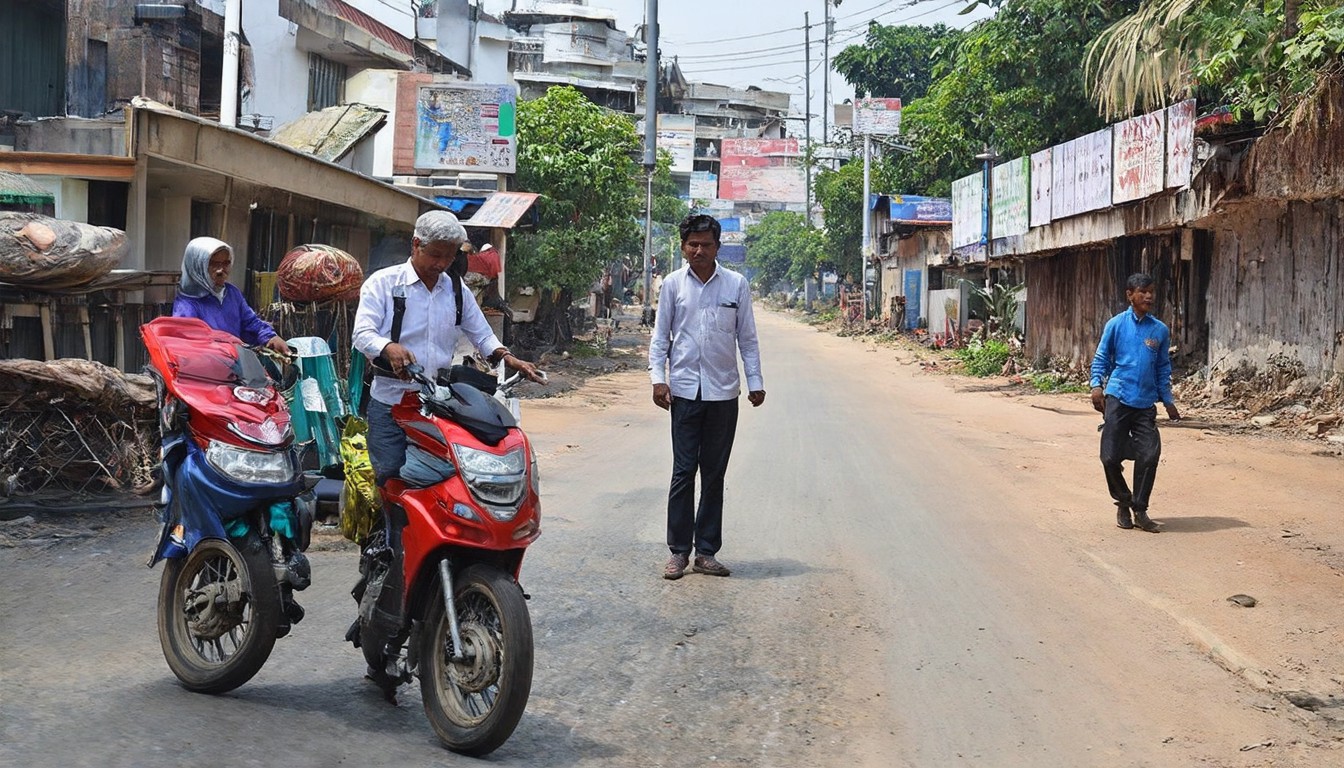
As the hours passed, the situation outside the venue grew increasingly volatile. Roads in the district were blocked, disrupting normal life and movement. A police vehicle was vandalized, signaling a breakdown of restraint among sections of the crowd. Clashes between protesters and security forces further escalated tensions, highlighting the fragility of law and order in the region.
The Supreme Court's warning serves as a stark reminder of the responsibility that rests on the state government to ensure the safety and security of officials involved in critical processes such as the SIR of electoral rolls. The judiciary's readiness to intervene underscores its commitment to upholding the constitutional processes and maintaining the integrity of elections.
The incident in Malda has become a focal point in the ongoing political and legal discourse, raising questions about the state's ability to manage such situations and protect its officials. As West Bengal gears up for the upcoming polls, the Supreme Court's intervention signals a growing concern over the state of governance and the potential need for judicial oversight to ensure the smooth conduct of elections.
In response to the Supreme Court's warning, the West Bengal government must take immediate steps to address the threats faced by SIR officials and ensure their safety. This includes strengthening security measures, deploying adequate law enforcement personnel, and taking preemptive actions to prevent similar incidents from escalating.
The situation in Malda also highlights the need for better coordination between state authorities and the judiciary to manage election-related challenges. The Supreme Court's intervention could lead to increased scrutiny of the state government's handling of electoral processes, with the judiciary potentially playing a more active role in ensuring their smooth conduct.
In conclusion, the Supreme Court's warning to the West Bengal government over the threat to SIR officials underscores the seriousness of the situation and the potential for judicial intervention if law and order fails to prevail. The incident in Malda serves as a stark reminder of the importance of ensuring the safety of officials involved in critical election-related duties and the need for robust governance to maintain stability in the state. As the electoral process unfolds, the West Bengal government must prioritize the security of its officials and work closely with the judiciary to address any challenges that may arise.