SC directs CBI inquiry into allegations of corruption, nepotism linking Arunachal CM, family in award of public contracts
Petitioners alleged that there was rampant corruption, nepotism and dispensing with a transparent and open tender system in the award of contracts for 10 years between January 2015 till December 31, 2025
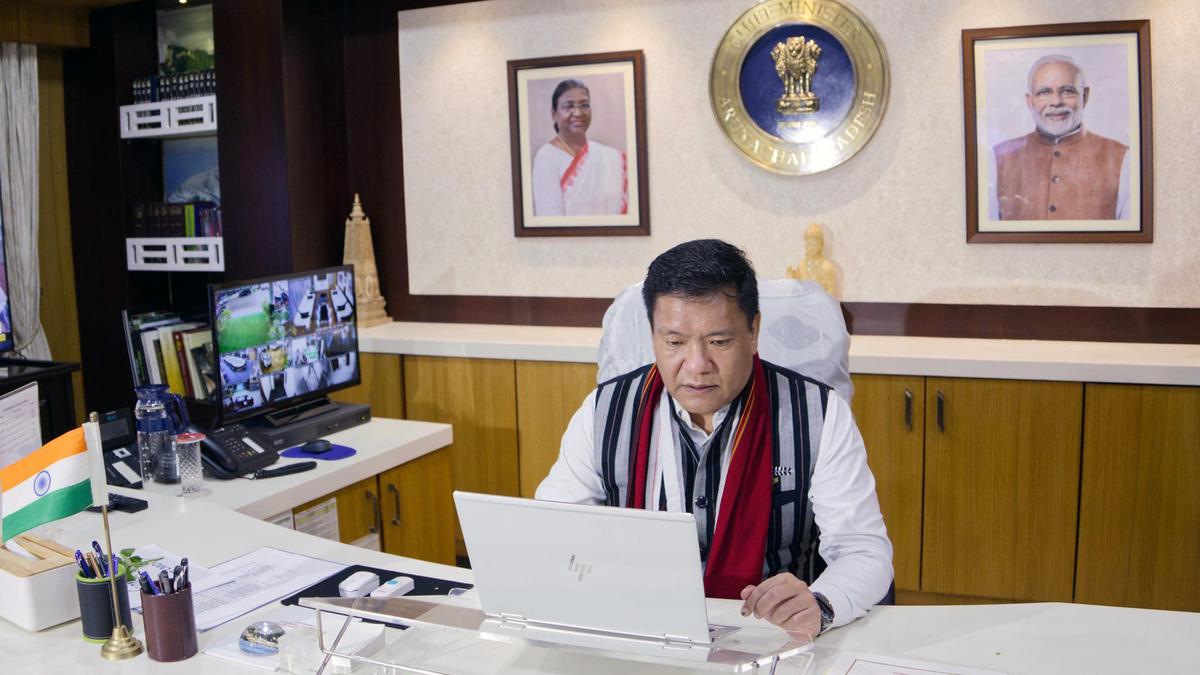
The Supreme Court of India has directed the Central Bureau of Investigation (CBI) to conduct a detailed inquiry into allegations of widespread corruption and nepotism involving the Chief Minister of Arunachal Pradesh and his family. The allegations, which have been filed by petitioners, focus on the award of public contracts over a decade, from January 2015 to December 31, 2025. The petitioners claim that the process of awarding these contracts was neither transparent nor open, and that it was marked by rampant corruption and nepotistic practices.
The Supreme Court, in its order, emphasized the need for a thorough investigation into these allegations to ensure the integrity of the public contracting process in Arunachal Pradesh. The court noted that such practices not only undermine the rule of law but also hinder the effective allocation of public funds, which could have significant repercussions on the state's development and welfare.
The petitioners have provided evidence, albeit unspecified in the order, suggesting that the Chief Minister and his family have been instrumental in manipulating the award of contracts to their advantage. This alleged manipulation has allegedly led to a lack of transparency and fairness in the bidding process, with winning bids often going to entities closely associated with the Chief Minister's family.
The CBI, which has been tasked with conducting the inquiry, will need to examine the entire decade-long period to identify any irregularities in the award of contracts. This will involve a meticulous review of tender documents, bid evaluations, and award decisions. The investigation will also need to assess whether there were any instances of undue influence exerted by the Chief Minister or his family members on the decision-making process.
The Supreme Court's directive to the CBI comes at a time when there is growing public concern over the state of governance in Arunachal Pradesh. Residents of the state have long expressed dissatisfaction with the perceived lack of transparency and fairness in the allocation of public resources. The allegations of corruption and nepotism have further fueled these concerns, prompting the petitioners to seek justice through the legal system.
The outcome of the CBI's inquiry will be closely watched by both the people of Arunachal Pradesh and the wider Indian public. If the allegations are found to be substantiated, it could potentially lead to serious consequences for the Chief Minister and his family, including legal action and a tarnished reputation. On the other hand, a clean bill of health from the CBI could help restore public confidence in the state's governance.
In the meantime, the Supreme Court's order serves as a stark reminder of the importance of maintaining high standards of transparency and fairness in the award of public contracts. Such practices are not only essential for the efficient use of public funds but also for upholding the democratic values of a nation. The case also underscores the role of the judiciary in safeguarding these values and ensuring that no one is above the law.
As the CBI begins its investigation, all eyes will be on Arunachal Pradesh. The results of the inquiry will not only determine the fate of the Chief Minister and his family but could also set a precedent for how public contracts are awarded in the state and potentially across the country. The people of Arunachal Pradesh, and indeed the entire nation, are entitled to a fair and transparent system that ensures the equitable distribution of public resources. Only then can the state hope to achieve its full developmental potential and uphold the principles of a just and equitable society.