
Say a Prayer for This Startup That’s Replacing Its Developers With OpenClaw
"I can replace everyone with AI." The post Say a Prayer for This Startup That’s Replacing Its Developers With OpenClaw appeared first on Futurism .
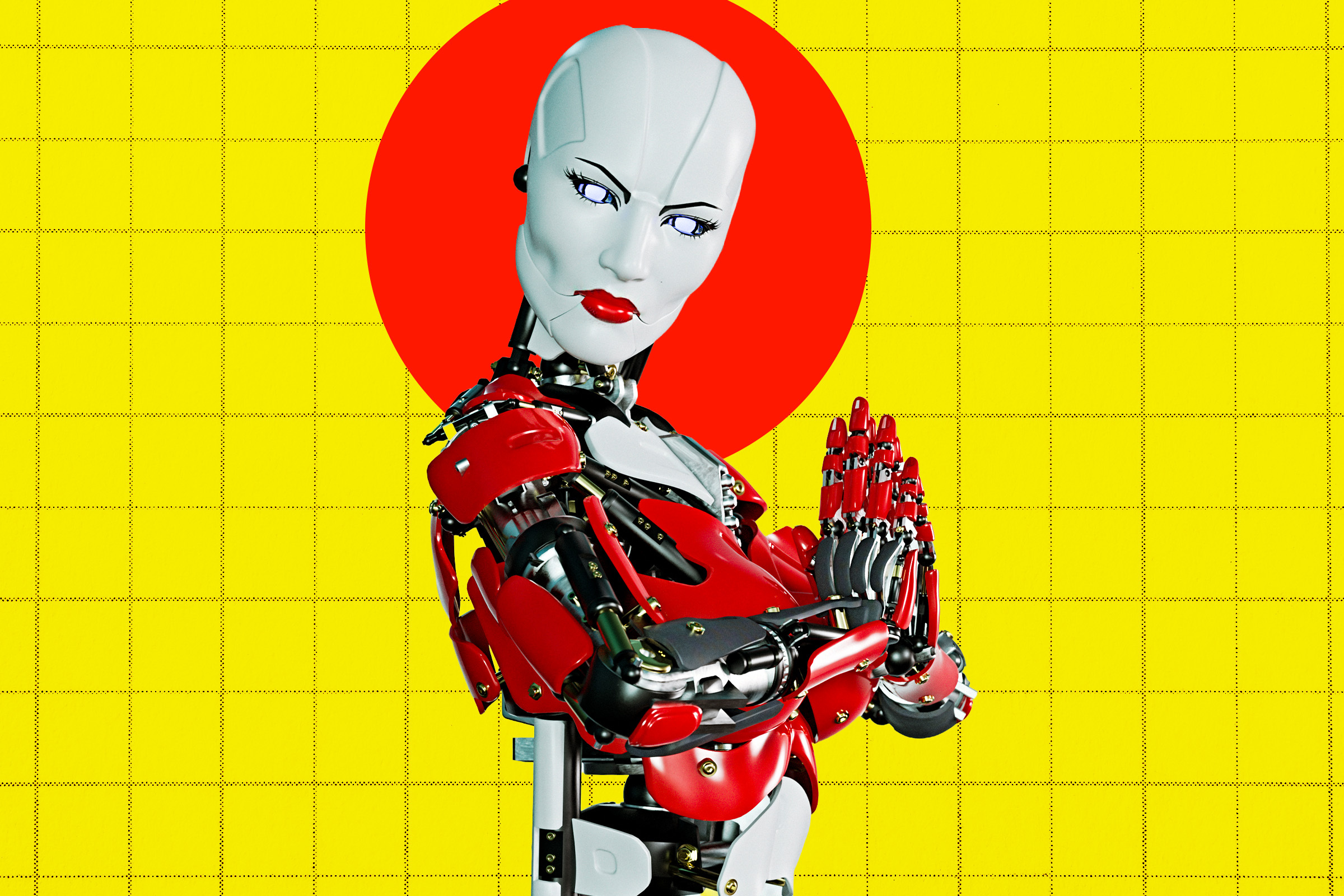
In a world where artificial intelligence (AI) continues to reshape industries, a Silicon Valley startup named JustPaid is making waves by replacing its human developers with AI agents powered by OpenClaw, an open-source AI tool. The company's co-founders, including Vinay Pinnaka, the chief technology officer, have claimed that they have created an entire software engineering team consisting of seven fully autonomous AI agents using OpenClaw and Anthropic's AI coding tool, Claude Code.
OpenClaw, known for its ability to "actually do things," has been embraced by many programmers to automate parts of their workflow. However, the idea of AI agents replacing human developers raises questions about job displacement. Despite this, JustPaid's co-founders seem unfazed by the prospect. Pinnaka told The Wall Street Journal that the AI agents were built by combining OpenClaw's decision-making capabilities with Claude Code's coding functions. OpenClaw acts as the "brain that decides what needs to happen," while Claude Code serves as the "hands that do the coding work."
The non-human team, deployed just a month ago, has reportedly built ten major features, each of which would have taken JustPaid's human developers a month to complete. The company also claims to have hired an employee who was trained almost entirely by the AI agents, though the specifics of this training remain unclear. In addition, the AI agents are churning out code while the human employees focus on tasks such as customer requests.
Pinnaka expresses a desire to automate even more of his own job, stating, "Once [AI] gets to the stage where it is able to handle human empathy, I would be able to say, 'I can replace everyone with AI.'" This visionary outlook is driven by the belief that AI will eventually surpass human capabilities in various domains, including empathy.
However, the reality of JustPaid's AI-driven workforce is that the company, which creates an AI-powered platform for automating financial operations like billing and invoicing, currently employs just nine people, three of whom are co-founders. The AI bots nearly equal the number of human employees. For the six non-cofounder employees, the presence of AI agents could raise concerns about job security.
Despite the potential challenges, JustPaid's approach highlights the rapid advancement of AI technology and its potential to revolutionize the way businesses operate. As AI continues to evolve, the line between human and machine work may become increasingly blurred, leading to a reevaluation of traditional employment structures.
In the meantime, the startup's bold move to replace human developers with AI agents serves as a cautionary tale for the broader tech industry. While AI has the potential to enhance productivity and efficiency, it also underscores the need for companies to adapt to new workforce dynamics and ensure that employees are equipped to collaborate with AI systems rather than being replaced by them.
As the AI revolution progresses, the question of whether machines will replace humans in various roles remains a topic of debate. JustPaid's experiment with AI agents in software development offers a glimpse into the future of work, where the line between human and machine labor may become less distinct. However, it also emphasizes the importance of balancing technological advancement with the well-being of workers in an ever-evolving digital landscape.









