
‘Save MGNREGA’: Nationwide Strike on May 15!
Amid growing concerns about rural employment and MGNREGA’s future, preparations have begun for a strike and massive demonstration on May 15, 2026.
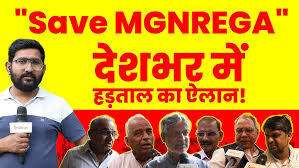
In the wake of mounting apprehensions about the state of rural employment and the uncertain future of the Mahatma Gandhi National Rural Employment Guarantee Act (MGNREGA), a nationwide strike and massive demonstration have been scheduled for May 15, 2026. This unprecedented call to action, dubbed "Save MGNREGA," aims to highlight the critical role of the scheme in sustaining livelihoods and economic stability in rural India.
MGNREGA, launched in 2005, has been a cornerstone of India's rural development strategy, providing employment to millions of rural households through short-term wage labor. The program has been instrumental in reducing poverty and unemployment in rural areas, particularly benefiting marginalized communities. However, recent years have seen a decline in the effectiveness of the scheme due to factors such as inefficient implementation, reduced funding, and a lack of focus on sustainable development. These challenges have sparked widespread concern among rural populations and labor organizations, leading to the call for a nationwide protest.
The strike, which is expected to draw hundreds of thousands of participants across the country, will focus on several key issues. First and foremost, the protesters demand a revival of MGNREGA by increasing its budget and ensuring that the funds are allocated efficiently. They argue that the current financial constraints are limiting the program's ability to reach the intended beneficiaries and provide meaningful employment opportunities. Additionally, the demonstrators are pushing for a reevaluation of the scheme's objectives to prioritize long-term rural development and sustainable practices.
The decision to hold the protest on May 15, 2026, is symbolic, as it coincides with the 121st anniversary of Mahatma Gandhi's birth. This choice underscores the protesters' commitment to the principles of social justice and equitable development that Gandhi championed. Organizers have emphasized that the strike will be peaceful and inclusive, inviting participation from all rural stakeholders, including farmers, laborers, and women.
The government's response to the planned protest remains uncertain. While some officials have acknowledged the need for reform, others have dismissed the concerns as exaggerated. The impending demonstration has put pressure on policymakers to address the growing discontent among rural populations. Critics argue that the government's inaction could lead to a further erosion of public trust in MGNREGA and, by extension, its commitment to rural development.
In the lead-up to May 15, labor unions, civil society organizations, and grassroots groups have been actively mobilizing support for the strike. They have organized rallies, workshops, and awareness campaigns to educate the public about the importance of MGNREGA and the need for urgent reform. Social media has also played a significant role in amplifying the message, with hashtags like #SaveMGNREGA trending across various platforms.
The nationwide strike poses a significant challenge to the government, as it could disrupt transportation, trade, and other essential services in affected areas. Organizers are working closely with local authorities to ensure that the protest remains orderly and does not lead to unnecessary disruptions. They have also emphasized the importance of unity among participants, urging them to prioritize collective action over individual grievances.
The outcome of the May 15 protest is uncertain, but its significance lies in its potential to spark a broader national conversation about rural employment and development. If successful, the strike could lead to meaningful reforms in MGNREGA, ensuring that the scheme continues to fulfill its critical role in uplifting rural India. For now, the call to action is clear: on May 15, 2026, the nation will stand together to defend the livelihoods and dignity of its rural populations.









