Saskatchewan Seed Growers Call for Reversal of AAFC Facility Closures in Indian Head and Scott
The SSGA is the latest organization to voice strong opposition to Agriculture and Agri-Food Canada cuts The post Saskatchewan Seed Growers Call for Reversal of AAFC Facility Closures in Indian Head and Scott appeared first on Seed World .
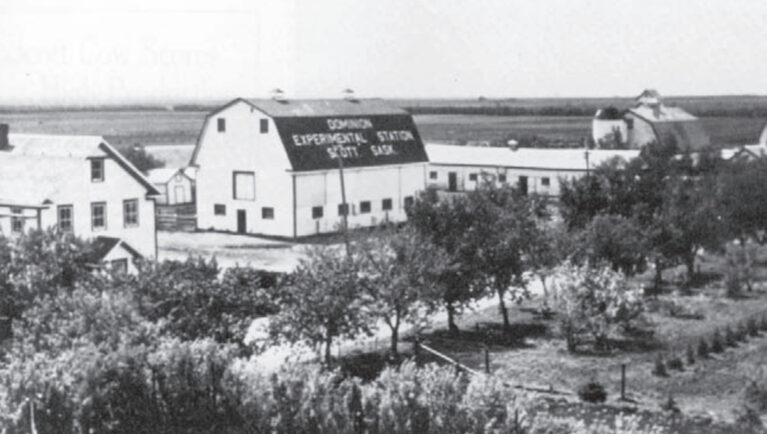
The Saskatchewan Seed Growers’ Association (SSGA) has joined a growing chorus of opposition to the federal government’s decision to close two key Agriculture and Agri-Food Canada (AAFC) research facilities in Indian Head and Scott. The organization is particularly concerned about the potential impact of these closures on regional variety trials and long-term crop development.
In a recent statement, SSGA expressed “deep concern over the federal government’s decision to significantly reduce AAFC research capacity,” including the closure of the research farms in Indian Head and Scott and the loss of scientific staff across the region. The association highlighted the historic importance of Saskatchewan’s public research system, describing it as central to the development of disease-resistant genetics, regionally adapted agronomic practices, and improved crop varieties for Prairie farmers.
“For more than a century, Saskatchewan’s public research network has been essential to the development of new crop varieties, disease-resistant genetics, and regionally adapted agronomic practices,” the association stated in a press release. SSGA argued that the Indian Head and Scott stations have played a critical role in maintaining breeder seed and supporting research programs that directly serve the province’s seed growers and producers.
“The Indian Head and Scott stations maintain invaluable stocks of breeder seed, supports breeding programs and regional variety trials, programs that directly underpin the success of pedigreed seed growers and the farmers they serve,” the statement continued. According to SSGA, closing these facilities would weaken Saskatchewan’s seed sector and disrupt the science-based research pipeline needed to ensure new varieties are properly tested for Prairie growing conditions.
The SSGA’s concerns are not unique. Other agricultural organizations and stakeholders have also voiced opposition to the AAFC facility closures, arguing that they will hinder innovation and competitiveness in Canadian agriculture. Critics contend that the decision to scale back research capacity across the Prairies is misguided, particularly at a time when farmers are facing unprecedented challenges such as climate change, pests, and market volatility.
The federal government’s decision to close the Indian Head and Scott facilities, along with reducing staffing at other AAFC sites, has been met with skepticism from many in the agricultural community. Proponents of the closures argue that the research facilities are outdated and that their functions can be replicated through partnerships with private sector organizations or other government agencies.
However, opponents, including the SSGA, maintain that the public research system in Saskatchewan is irreplaceable. They argue that the facilities in Indian Head and Scott are not only critical for maintaining breeder seed stocks but also for conducting essential research on disease resistance and agronomic practices tailored to the unique conditions of the Prairies.
The SSGA’s call for a reversal of the AAFC facility closures underscores the importance of public research in supporting the agricultural sector. The association’s concerns are not just about the immediate impact on seed growers and producers but also about the long-term implications for Canada’s agricultural competitiveness on a global scale.
In response to the growing opposition, the federal government has yet to provide a clear rationale for the closures or outline alternative plans to maintain the research capacity that will be lost. As the debate continues, the future of these facilities and the broader AAFC research network in Saskatchewan remains uncertain.
The SSGA’s stance on the issue reflects a broader trend of increasing advocacy by agricultural organizations and stakeholders to protect and expand public research infrastructure. These groups argue that investing in research is essential for innovation and ensuring the sustainability of Canada’s agricultural sector in the face of evolving challenges.
In conclusion, the Saskatchewan Seed Growers’ Association’s opposition to the closure of AAFC facilities in Indian Head and Scott highlights the critical role of public research in supporting the agricultural sector. The association’s concerns about the potential loss of breeder seed stocks, research programs, and expertise are not without merit, particularly given the unique challenges faced by Prairie farmers. As the debate over the future of these facilities continues, it is clear that the stakes are high, with the potential consequences for the region’s agricultural sector and Canada’s long-term agricultural competitiveness on the line.