
Samsung’s upcoming foldables might not use the best OLED screens after all
Samsung might use the same display tech for the third generation in a row.
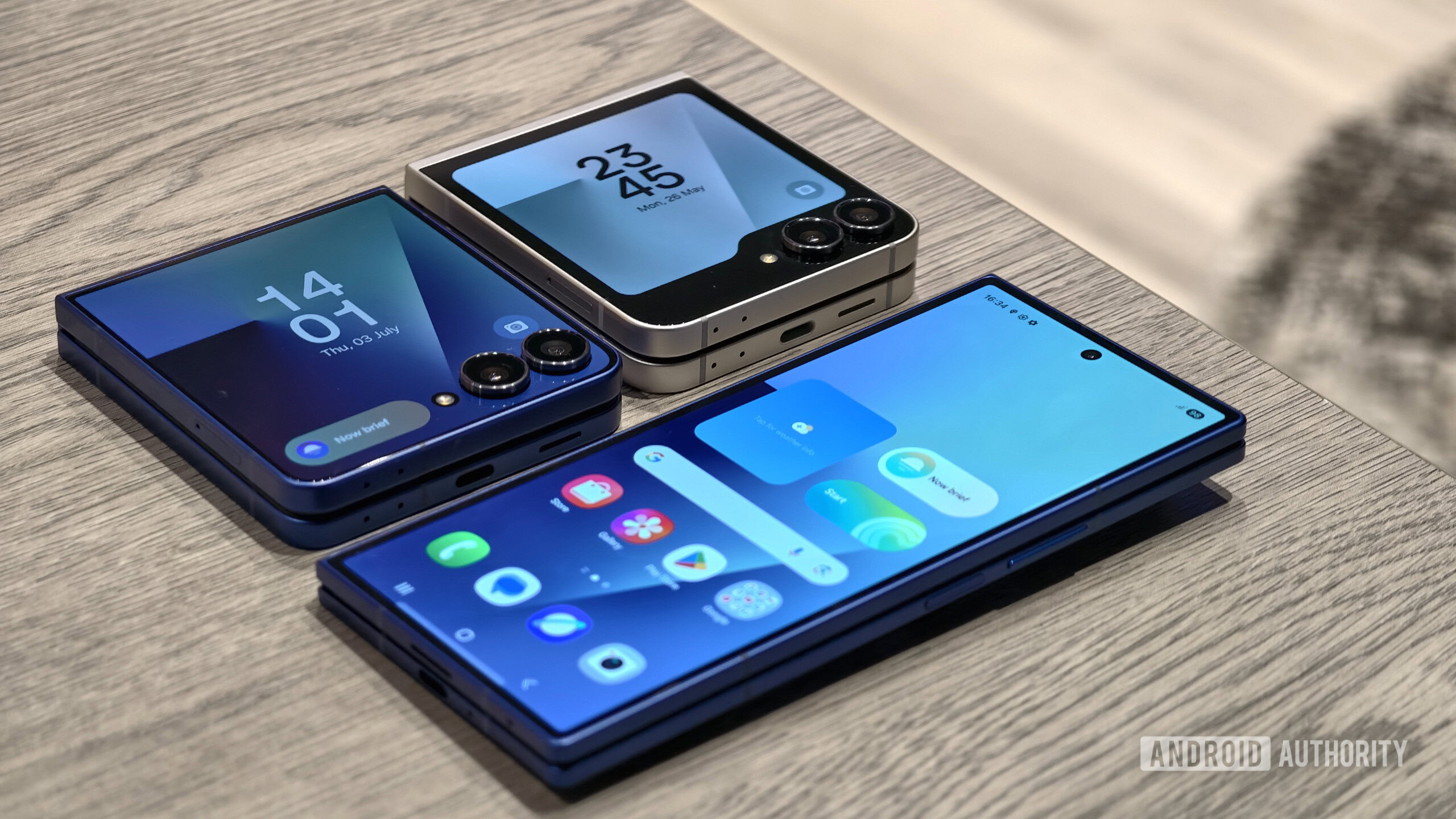
Samsung’s upcoming foldable smartphones, including the Galaxy Z Flip 8, Galaxy Z Fold 8, and the Wide Fold, are expected to continue using the same OLED display technology for the third consecutive generation. This development comes as a surprise, given that Samsung Display has recently introduced a newer organic display material for its flagship Galaxy S26 Ultra. The latest material, known as M13, offers improvements in brightness, efficiency, and longevity, which could have been anticipated in the foldable lineup.
The decision to stick with the existing OLED screens may disappoint consumers who were hoping for a significant upgrade in display quality. The M13 material, which is used in the Galaxy S26 Ultra, promises enhanced performance and durability, making it a logical choice for Samsung’s foldables. However, Samsung Display’s sources indicate that the company is prioritizing cost and production stability over technological advancements in its foldable devices.
The Galaxy Z Flip 8 and Galaxy Z Fold 8 are set to be launched later this year, and the Wide Fold, a new addition to the foldable lineup, is also expected to debut. While these devices are anticipated to feature other improvements, such as enhanced cameras and powerful processors, the display technology remains unchanged. This could be a strategic move by Samsung to ensure a consistent user experience across its foldable models, rather than introducing new display materials that might require adjustments in software and hardware.
The use of the same OLED screens for the third generation may also be influenced by the need to maintain a competitive edge in the market. Samsung has been a pioneer in the foldable smartphone industry, and its devices have been well-received by consumers. By sticking with a proven technology, Samsung can focus on refining other aspects of its devices, such as battery life, hinge design, and software optimization.
Despite the lack of a major display upgrade, Samsung’s foldable phones are still expected to deliver a premium user experience. The OLED screens, while not the latest iteration, are known for their vibrant colors and deep blacks, which are essential for a high-quality viewing experience. Additionally, Samsung Display’s M13 material, though not used in the foldables, serves as a testament to the company’s commitment to innovation in its display technology.
In conclusion, Samsung’s decision to use the same OLED screens for its upcoming foldable devices may not deliver the significant display upgrade that some consumers were anticipating. However, this choice reflects a strategic focus on stability, cost, and maintaining a consistent user experience. As Samsung continues to expand its foldable lineup, it remains to be seen whether the company will eventually adopt newer display materials to further enhance the performance and appeal of its devices.









