
Samsung to Phase Out Proprietary Messages App: Transition to Google Messages Begins for Galaxy Users
Samsung is officially beginning the process of retiring its long-standing “Samsung Messages” application, shifting its global user base toward Google Messages as the default platform for SMS and RCS communications. This transition marks a significant consolidation in the Android ecosystem, aimed at providing a more unified and feature-rich messaging experience across different hardware manufacturers. For years, Samsung Messages served as the primary communication hub for Galaxy devices, offering deep integration with the One UI interface. However, the rise of Rich Communication Services (RCS)—which enables high-resolution media sharing, typing indicators, and read receipts—has led to a push for a singular standard.
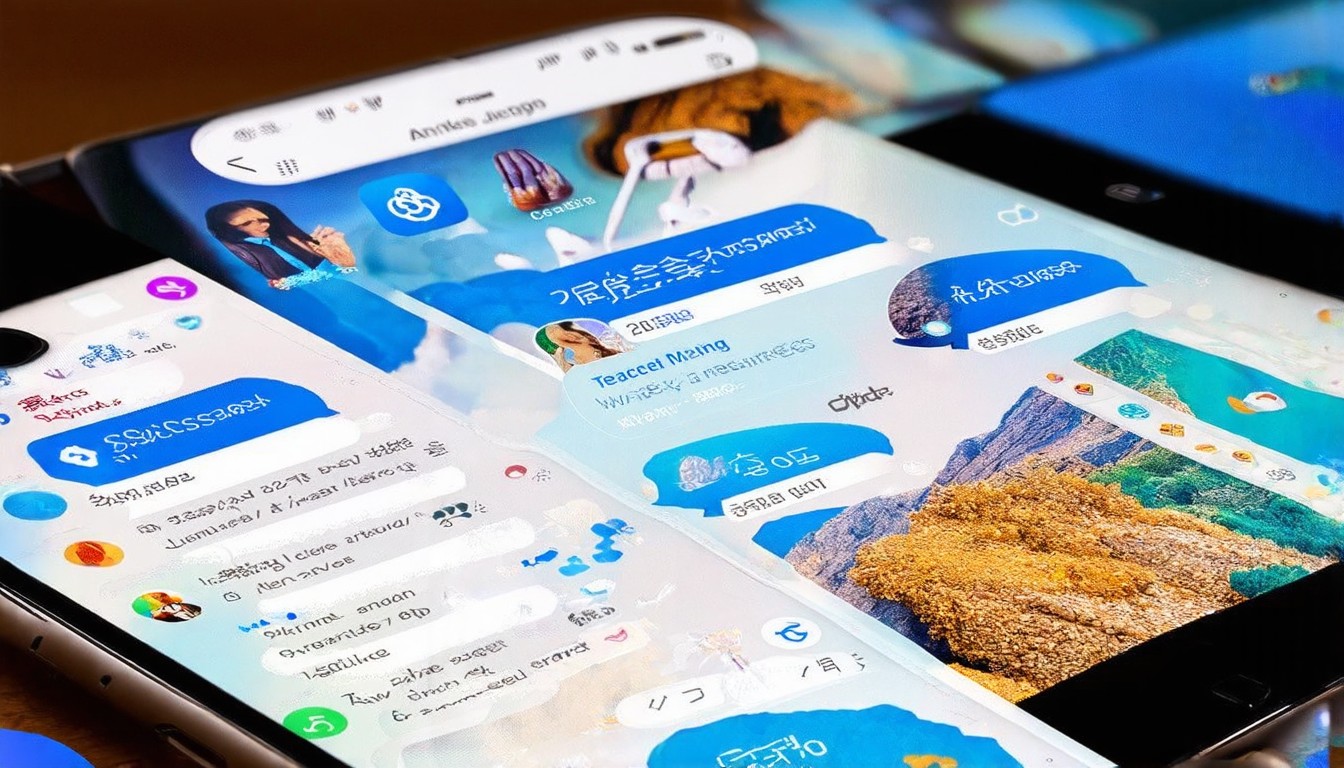
Samsung is officially beginning the process of retiring its long-standing "Samsung Messages" application, shifting its global user base toward Google Messages as the default platform for SMS and RCS communications. This transition marks a significant consolidation in the Android ecosystem, aimed at providing a more unified and feature-rich messaging experience across different hardware manufacturers. For years, Samsung Messages served as the primary communication hub for Galaxy devices, offering deep integration with the One UI interface. However, the rise of Rich Communication Services (RCS)—which enables high-resolution media sharing, typing indicators, and read receipts—has led to a push for a singular standard.
By adopting Google’s solution, Samsung ensures its users have seamless compatibility with other Android devices and improved encryption standards, which have historically been a point of friction between fragmented messaging apps. The transition is expected to be gradual. New Galaxy smartphones will come pre-installed with Google Messages as the primary out-of-the-box option, while existing users will receive system prompts encouraging them to make the switch. While Samsung Messages will likely remain available for download on the Galaxy Store for a limited time to assist with the transition, active development and new feature rollouts will shift exclusively to the Google-led platform.
Industry analysts suggest this move is part of a broader "deep partnership" between Samsung and Google to streamline the Android user experience against competitors. By offloading the maintenance of a core messaging app, Samsung can refocus its engineering resources on hardware innovation and AI-driven features like "Galaxy AI" integrations. For the average user, this means fewer duplicate apps and a more consistent way to stay connected with friends and colleagues globally.
The decision to phase out Samsung Messages reflects a broader trend in the tech industry toward standardization and interoperability. With RCS gaining traction as a universal messaging standard, Google Messages is poised to become the go-to app for SMS and RCS communications across Android devices. Samsung’s move not only aligns with this trend but also strengthens its partnership with Google, which has been a cornerstone of the Android ecosystem.
For Samsung users, the shift to Google Messages will likely be seamless, as the app is already widely used and well-supported. However, some users may initially face minor adjustments as they adapt to the new interface and features. Google Messages offers robust capabilities, including support for RCS, which enhances the messaging experience with features like high-quality image and video sharing, group messaging, and end-to-end encryption.
The transition also signals a potential shift in power dynamics within the Android ecosystem. By aligning with Google’s messaging platform, Samsung is further integrating its devices with Google services, which could lead to tighter integration and more streamlined user experiences. This move may also encourage other Android manufacturers to follow suit, accelerating the adoption of a unified messaging standard.
In the long term, Samsung’s decision to phase out its proprietary messaging app could have significant implications for the Android ecosystem. It may lead to a more cohesive user experience, reducing the fragmentation that has historically plagued Android devices. Additionally, it could encourage greater collaboration between hardware manufacturers and software providers, fostering innovation and improving the overall quality of Android devices.
For Samsung, the transition to Google Messages allows the company to focus on its core strengths in hardware and AI technology. By prioritizing these areas, Samsung can continue to innovate and maintain its competitive edge in the global market. The move also signals a commitment to working closely with Google, which could lead to further collaborations and the development of new, cutting-edge features for Android users.
In conclusion, Samsung’s decision to phase out its proprietary Messages app and transition to Google Messages is a significant step toward unifying the Android ecosystem. It reflects a broader trend toward standardization and interoperability in the tech industry, while also allowing Samsung to refocus its resources on innovation and partnership. For users, the shift promises a more consistent and feature-rich messaging experience, enhancing their ability to communicate seamlessly across Android devices. As the transition unfolds, it will be interesting to see how this move impacts the Android ecosystem and sets the stage for future developments in mobile communication.









