
Samsung still glued to its bad habits with Galaxy S26 Ultra
Flagship phone scores 5/10 from iFixit as the parts that break most often remain firmly out of reach Samsung's Galaxy S26 Ultra has once again scored a middling 5/10 from iFixit, suggesting that while the company knows how to build a repairable phone, it still won't quite follow through.…
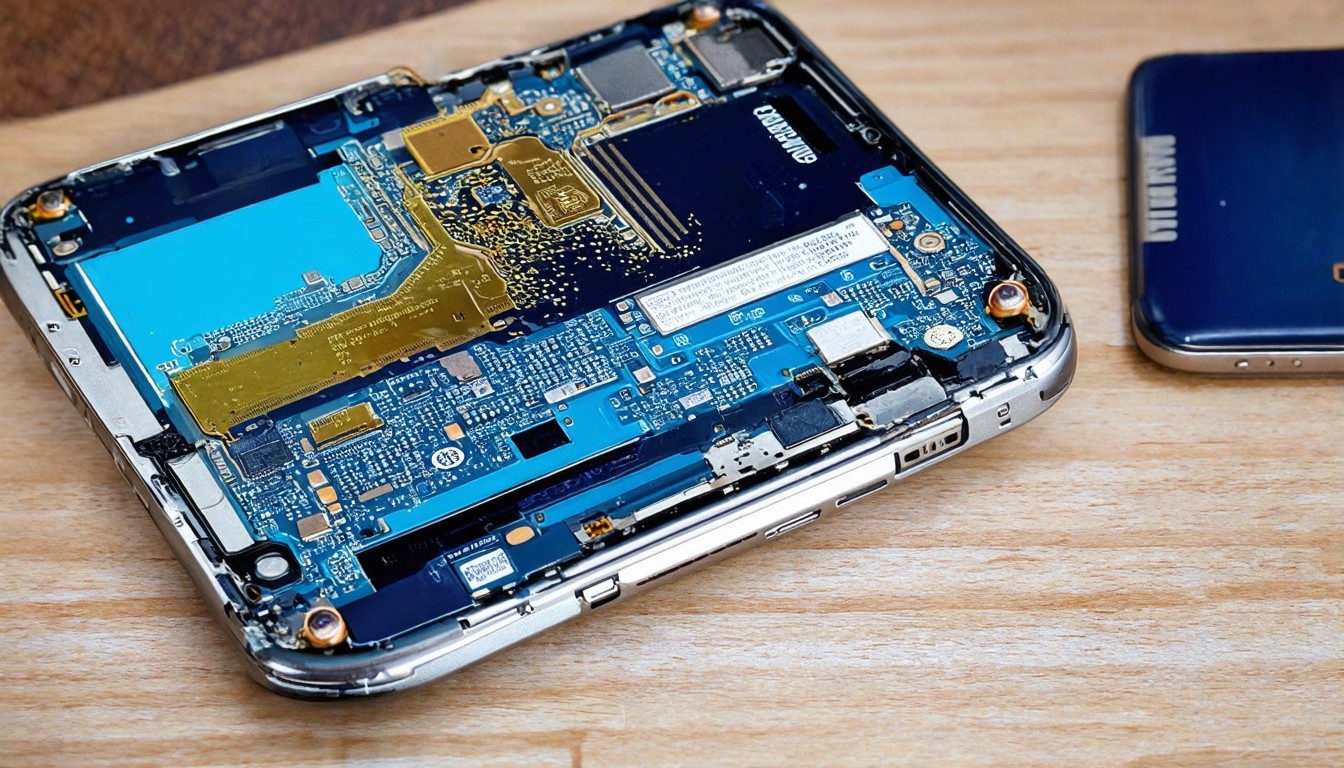
Samsung's Galaxy S26 Ultra has received a 5/10 repairability score from iFixit, a well-known organization that evaluates the ease of repairing electronic devices. This result highlights a persistent issue with the company's approach to designing phones that are both innovative and sustainable.
iFixit's assessment of the Galaxy S26 Ultra reveals that while Samsung has made some improvements in repairability compared to previous models, it still falls short in addressing the most common points of failure. The score of 5/10 indicates that the phone is moderately repairable, but the components that are most likely to break remain difficult to access and replace.
One of the key areas where the Galaxy S26 Ultra underperforms is in its battery. The battery is glued to the device's chassis, making it challenging to replace without damaging the phone's internal components. This design choice not only complicates repairs but also contributes to electronic waste, as users may be forced to replace entire devices rather than just the faulty battery.
Another issue with the Galaxy S26 Ultra is its display. The screen is secured with a "glue trap" that is designed to prevent dust and moisture from entering the device. However, this glue trap also makes it difficult to replace the screen without potentially causing further damage to the phone.
Despite these shortcomings, Samsung has made some strides in repairability. The Galaxy S26 Ultra features a modular design that allows for easier access to the phone's internal components, such as the camera modules and the motherboard. These improvements suggest that Samsung is aware of the importance of repairability and is working to incorporate it into its devices.
However, the company's commitment to repairability seems inconsistent. While some components are designed to be more accessible, others, like the battery and display, remain problematic. This inconsistency raises questions about Samsung's overall approach to sustainability and the environmental impact of its products.
The Galaxy S26 Ultra's 5/10 repairability score from iFixit underscores a broader trend in the smartphone industry. Many manufacturers prioritize innovation and performance over repairability, leading to devices that are difficult to fix and contribute to electronic waste.
Consumers are increasingly demanding more sustainable products, and iFixit's ratings provide a valuable tool for helping them make informed decisions. As more people become aware of the environmental impact of their purchasing choices, companies like Samsung may be incentivized to prioritize repairability in their designs.
In conclusion, Samsung's Galaxy S26 Ultra, despite its impressive features and performance, falls short in terms of repairability. The phone's 5/10 score from iFixit highlights the company's persistent reliance on design choices that make repairs difficult and contribute to electronic waste. While Samsung has made some improvements, it remains to be seen whether the company will fully commit to building repairable devices that align with consumer demand for sustainability.








