
Samsung is discontinuing its texting app, tells impacted users to switch to Google Messages
Samsung is saying goodbye its namesake texting app. According to an end of service announcement published on the tech giant's U.S. support website, Samsung Messages will be discontinued in July. Impacted owners of Samsung smartphones and other gadgets are being asked to switch to Google Messages in the meantime, "to maintain a consistent messaging experience on Android."
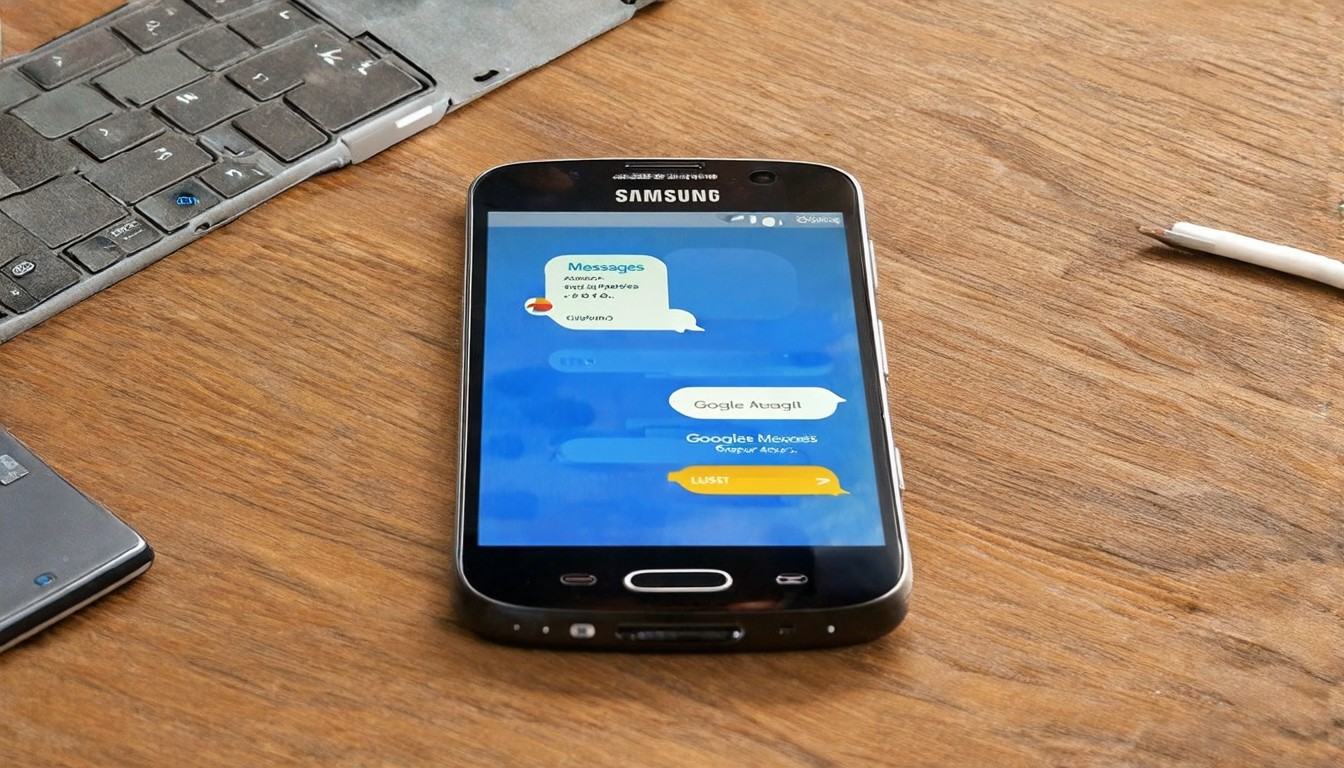
Samsung, one of the world's leading technology companies, is officially ending its namesake texting app, Samsung Messages. The decision comes as the tech giant announces that the app will be discontinued in July, prompting a significant shift for users who rely on it for messaging. Samsung has published an end of service announcement on its U.S. support website, informing impacted owners of Samsung smartphones and other gadgets that they must switch to an alternative messaging platform to maintain their communication channels.
The company's recommendation is to transition to Google Messages, a popular messaging app developed by Google. Samsung argues that this switch will ensure a consistent messaging experience on Android devices, which form the majority of the company's smartphone market. This move is part of a broader trend in the tech industry, where companies are consolidating their services to streamline operations and focus on core offerings.
Samsung Messages has been a staple for many users, offering features such as SMS, MMS, and RCS messaging. However, the app has faced competition from other messaging platforms, particularly Google Messages, which has become the default messaging app on many Android devices. In recent years, Google has been pushing for the adoption of its RCS (Rich Communication Services) standard, which offers enhanced features like better image and video quality, group messaging, and end-to-end encryption.
The decision to discontinue Samsung Messages is likely driven by several factors. Firstly, Samsung has been increasingly integrating its services with Google's ecosystem, a strategic partnership that dates back to 2014. This collaboration has seen Samsung pre-install Google apps on its devices, including Google Search, Google Maps, and now Google Messages. By aligning with Google's messaging platform, Samsung can ensure that its users have access to the latest features and updates, as well as a consistent experience across different devices.
Secondly, Samsung's move to discontinue its own messaging app may be a response to the growing dominance of Google Messages in the Android market. With Google's influence on Android, it has become increasingly difficult for third-party messaging apps to compete, as many users are already accustomed to using Google Messages as their primary messaging platform.
The end of Samsung Messages will affect users who have relied on the app for their messaging needs. While Google Messages is a robust alternative, some users may be concerned about the transition, particularly if they have invested time and effort into customizing Samsung Messages. Samsung has provided instructions on how to migrate data and contacts from Samsung Messages to Google Messages, but users may still face challenges in adapting to the new platform.
In addition to the immediate impact on users, Samsung's decision to discontinue its messaging app may have broader implications for the tech industry. It underscores the importance of strategic partnerships and the need for companies to adapt to changing market dynamics. As more users shift towards Google's ecosystem, Samsung's move to align with Google's messaging platform is a pragmatic business decision that ensures its devices remain competitive in the highly saturated smartphone market.
In conclusion, Samsung's decision to discontinue its namesake texting app, Samsung Messages, marks the end of an era for many users. The company's recommendation to switch to Google Messages is a strategic move that aligns with its partnership with Google and the growing dominance of Google's messaging platform in the Android market. While this transition may pose challenges for some users, it also highlights the importance of adaptability and collaboration in the fast-paced tech industry. As Samsung focuses on its core offerings, users will need to embrace the changes and adapt to the new messaging landscape to maintain their communication channels.









