
Samsung is discontinuing its texting app, tells impacted users to switch to Google Messages
Samsung is saying goodbye its namesake texting app. According to an end of service announcement published on the tech giant's U.S. support website, Samsung Messages will be discontinued in July. Impacted owners of Samsung smartphones and other gadgets are being asked to switch to Google Messages in the meantime, "to maintain a consistent messaging experience on Android."
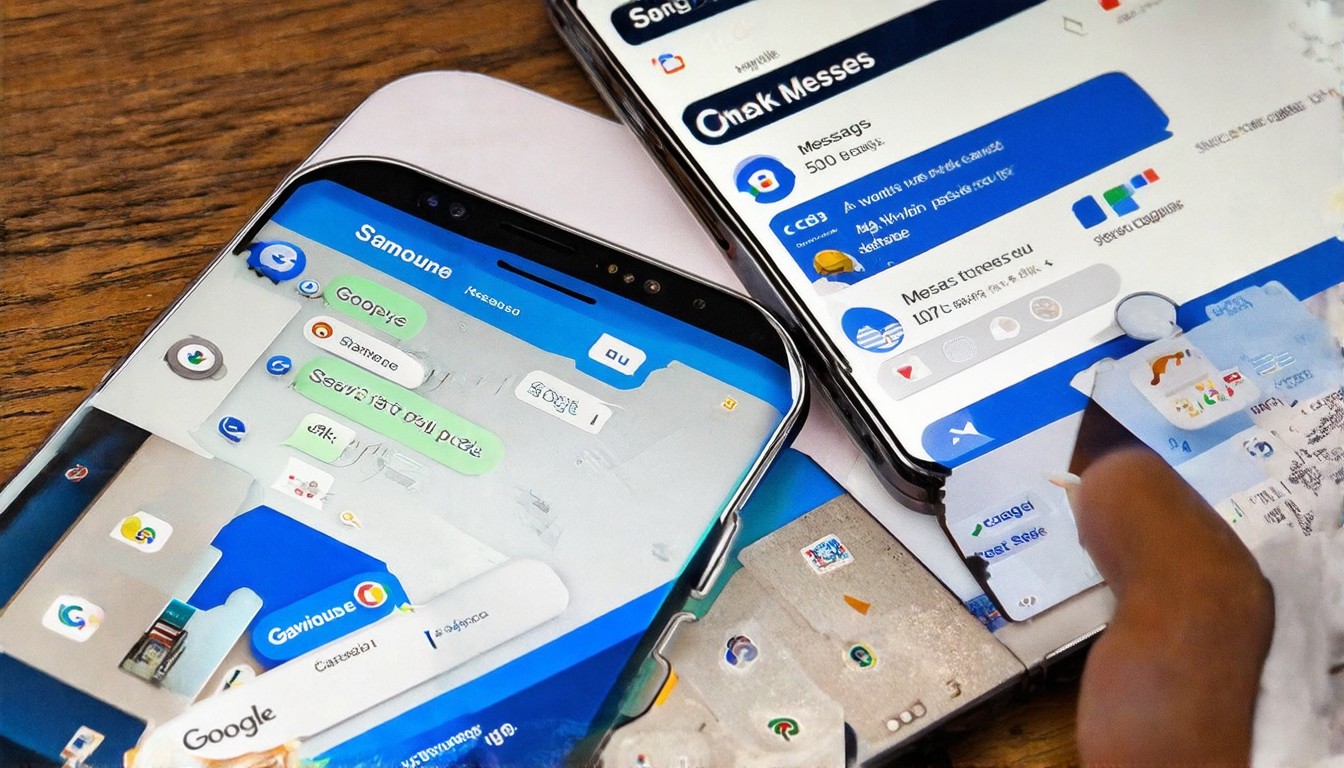
Samsung, one of the world's leading technology companies, is set to discontinue its proprietary texting app, Samsung Messages, in July. The decision comes as part of a broader strategy to align with Android's standard messaging platform, Google Messages. Samsung has published an end-of-service announcement on its U.S. support website, informing users that they must migrate to Google Messages to ensure a consistent messaging experience on Android devices.
Samsung Messages has been a staple on Samsung smartphones and other gadgets for years, offering users a familiar interface and seamless integration with the company's ecosystem. However, the move to discontinue the app reflects a growing trend among tech giants to standardize on widely adopted platforms, rather than maintaining proprietary services. This shift is particularly evident in the smartphone industry, where companies are increasingly adopting Google's services to ensure compatibility and consistency across devices.
The decision to phase out Samsung Messages is not without its challenges for users. Many have grown accustomed to the app's features and design, and the transition to Google Messages may require some adjustment. Samsung has acknowledged these concerns and is actively encouraging users to switch to Google Messages, emphasizing the importance of maintaining a consistent messaging experience on Android.
Google Messages, developed by Google, is a popular messaging app that supports not only texting but also multimedia messaging, voice and video calls, and integration with other Google services. It is pre-installed on most Android devices and is widely regarded as a reliable and feature-rich alternative to proprietary messaging apps. By recommending Google Messages, Samsung is aligning itself with a platform that is already well-established and widely used, ensuring that its users can continue to communicate seamlessly across devices.
The end of Samsung Messages marks the end of an era for the company's messaging services. While the app has served as a key component of Samsung's ecosystem, the decision to discontinue it reflects a broader trend in the tech industry. Companies are increasingly recognizing the benefits of standardizing on widely adopted platforms, which can lead to improved compatibility, security, and user experience.
For Samsung users, the transition to Google Messages will likely be a smooth process, given the app's widespread adoption and integration with Android. However, some users may experience minor hiccups, such as temporary disruptions in message delivery or minor interface differences. Samsung has provided detailed instructions on its support website, guiding users through the process of migrating to Google Messages and addressing any potential issues.
In the long term, the discontinuation of Samsung Messages may have implications for the smartphone industry as a whole. As more companies align with standardized platforms like Google Messages, the landscape of messaging apps is likely to become more consolidated. This could lead to increased competition among the remaining players, driving innovation and improving user experience.
In conclusion, Samsung's decision to discontinue its namesake texting app, Samsung Messages, in favor of Google Messages is a strategic move that reflects the growing trend of standardizing on widely adopted platforms. While the transition may present some challenges for users, it also offers the opportunity to leverage a reliable and feature-rich messaging service that is already deeply integrated into the Android ecosystem. As Samsung users migrate to Google Messages, the company continues to prioritize consistency and reliability in its messaging offerings, ensuring that its users can communicate effortlessly across devices.









