
Samsung brings BP monitoring to Galaxy Watches in the US (Updated: Clarification on FDA approval)
It took years, but blood pressure monitoring is finally arriving for Galaxy Watch users in the US.
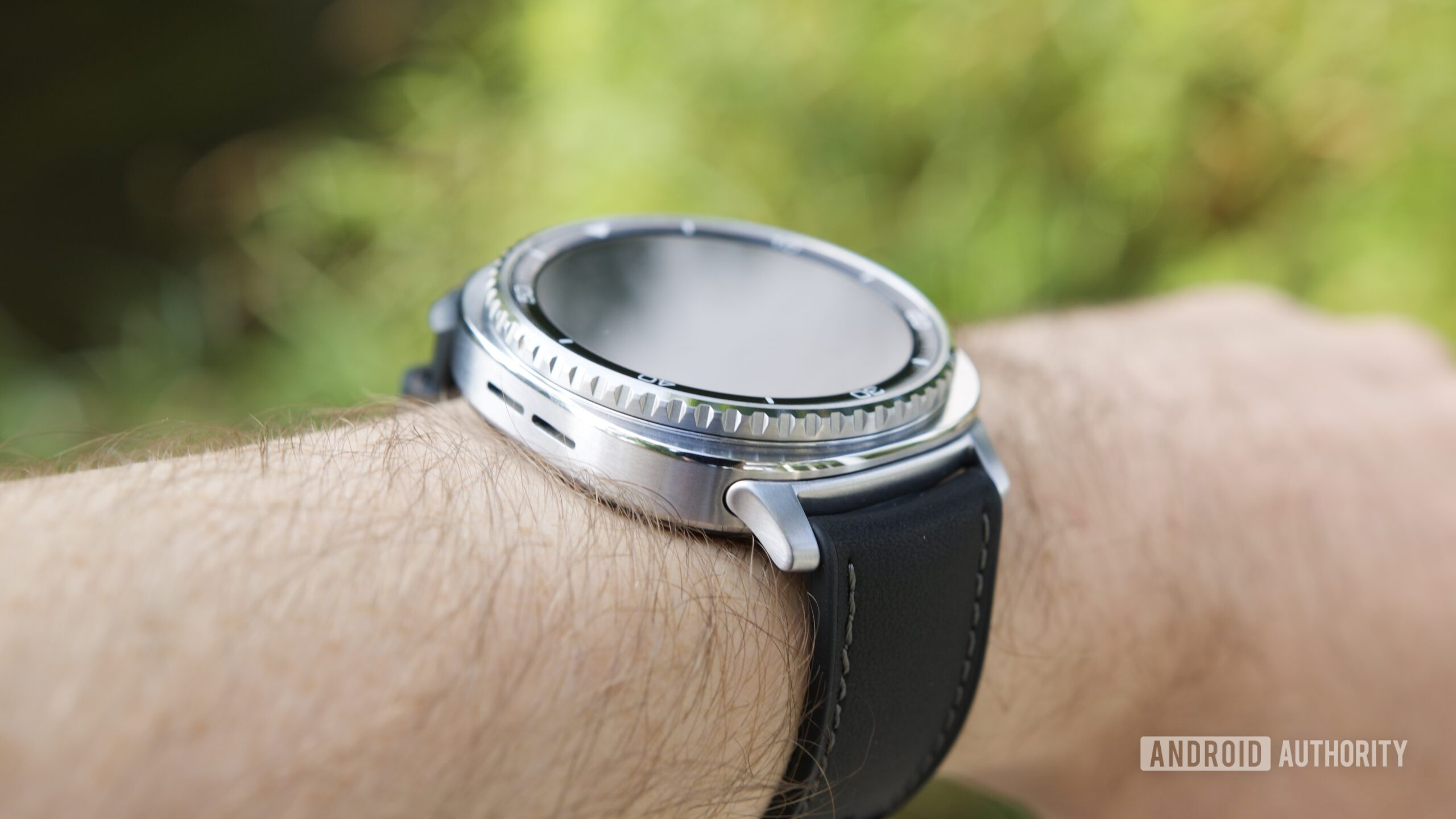
Samsung has finally introduced blood pressure (BP) monitoring to Galaxy Watch users in the United States, marking a significant milestone in the company's efforts to enhance the health and wellness capabilities of its wearable devices. This feature, available on Galaxy Watch 4 and newer models running Wear OS 4 or later, has been eagerly anticipated by consumers and tech enthusiasts alike.
The BP monitoring feature on Galaxy Watches relies on a calibration process with a traditional cuff-based monitor to ensure accuracy. This step is crucial, as it allows the smartwatch to learn the user's baseline BP readings and provide more reliable measurements over time. Once calibrated, the Galaxy Watch can then monitor BP levels without the need for a cuff, offering a convenient and non-invasive way for users to track their health.
The introduction of BP monitoring on Galaxy Watches in the US is a testament to Samsung's commitment to integrating advanced health features into its wearable devices. By leveraging partnerships with healthcare providers and adhering to regulatory guidelines, Samsung has been able to bring this innovative feature to the market.
However, there has been some confusion surrounding the regulatory approval process for the BP monitoring feature. In an emailed clarification to Android Authority, Samsung stated that the BP monitoring feature on Galaxy Watches in the US is not intended for medical use and therefore does not require approval from the U.S. Food and Drug Administration (FDA). The company emphasized that the feature is designed as a wellness tool and is not subject to FDA clearance.
Samsung's response aligns with the FDA's General Wellness: Policy for Low-Risk Devices, which outlines the agency's approach to regulating consumer wearables. The FDA's January 2026 updates, specifically focused on wearable devices, provide guidance for manufacturers like Samsung on how to develop and market products that are intended for general wellness purposes.
Despite the clarification, the BP monitoring feature on Galaxy Watches remains a valuable addition for users looking to monitor their health in a more convenient and integrated manner. As wearable technology continues to evolve, Samsung's commitment to incorporating health-related features into its devices is expected to drive further innovation in the industry.
In conclusion, Samsung's introduction of BP monitoring to Galaxy Watches in the US represents a significant advancement in wearable technology. While the feature is not intended for medical use and does not require FDA approval, it underscores Samsung's dedication to enhancing the health and wellness capabilities of its devices. As the company continues to innovate and collaborate with regulatory bodies, Galaxy Watch users can expect even more sophisticated health features in the future.








