
Samsung brings BP monitoring to Galaxy Watches in the US (Updated: Clarification on FDA approval)
It took years, but blood pressure monitoring is finally arriving for Galaxy Watch users in the US.
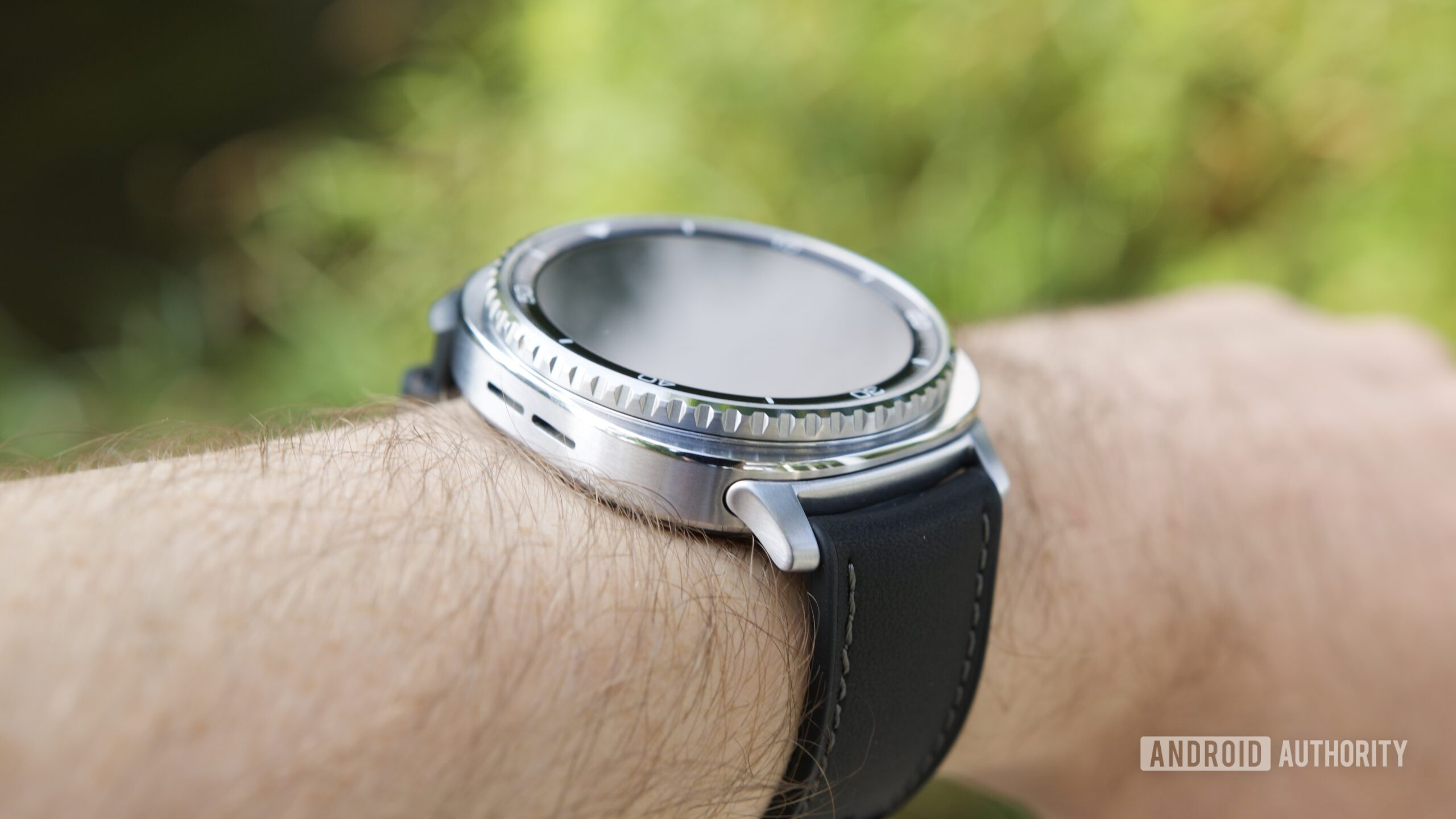
Samsung has finally made a significant leap in health tracking for its Galaxy Watch series in the United States, introducing blood pressure (BP) monitoring capabilities. This long-awaited feature will be available on Galaxy Watch 4 and newer models running Wear OS 4 or later, marking the first time such a feature has been offered to U.S. users.
The BP monitoring feature relies on a calibration process using a traditional cuff-based monitor to ensure accuracy. This step is crucial for users to take before they can begin using the watch's built-in sensors to measure their blood pressure. Samsung has emphasized the importance of this calibration in ensuring that the data provided by the watch is reliable and consistent with readings from more conventional devices.
The introduction of BP monitoring on Galaxy Watches in the U.S. comes as part of Samsung's ongoing commitment to enhancing health and wellness features in its wearable devices. With the increasing popularity of smartwatches as tools for monitoring daily health metrics, Samsung's move to include BP tracking aligns with broader trends in the tech industry.
However, there has been some confusion surrounding the regulatory approval for this feature. Initially, there were concerns about whether Samsung needed FDA clearance for the BP monitoring function. In response to these questions, Samsung clarified that the BP monitoring feature on Galaxy Watches in the U.S. is not intended for medical use and therefore does not require FDA approval.
In an email to Android Authority, Samsung stated that their Blood Pressure Monitoring feature is designed as a wellness feature and is not intended for medical use. As a result, it is not subject to FDA clearance. The company also noted that the feature aligns with the FDA's General Wellness: Policy for Low-Risk Devices, including updates published in January 2026 that focus on consumer wearables.
This clarification is significant because it highlights the distinction between medical-grade devices and wellness tools. While the BP monitoring feature on Galaxy Watches may provide valuable insights into users' health, it is not meant to replace professional medical assessments. The FDA's policy on low-risk devices allows for such wellness features to be marketed without requiring the same level of regulatory scrutiny as medical devices.
Samsung's decision to offer BP monitoring on its Galaxy Watches in the U.S. underscores the evolving role of wearable technology in health and wellness. As these devices continue to gain popularity, companies like Samsung are pushing the boundaries of what can be achieved with smartwatches. The BP monitoring feature is a testament to the potential of wearable technology to support users in monitoring their health more closely and proactively.
In conclusion, Samsung's introduction of BP monitoring on Galaxy Watches in the U.S. represents a notable development in the world of wearable technology. While the feature does not require FDA approval due to its wellness-focused design, it still offers users a convenient way to track a vital health metric. As wearable devices become more integrated into our daily lives, features like BP monitoring are poised to play an increasingly important role in helping individuals maintain their health and well-being.









