Sachin Khajuria’s Body Reaches Home: Exclusive On Jammu Man’s Death In Russia-Ukraine War
Indian casualty in Russia war zone has highlighted the growing recruitment racket concerns, according to intelligence inputs
Sachin Khajuria’s Body Reaches Home: Exclusive On Jammu Man’s Death In Russia-Ukraine War
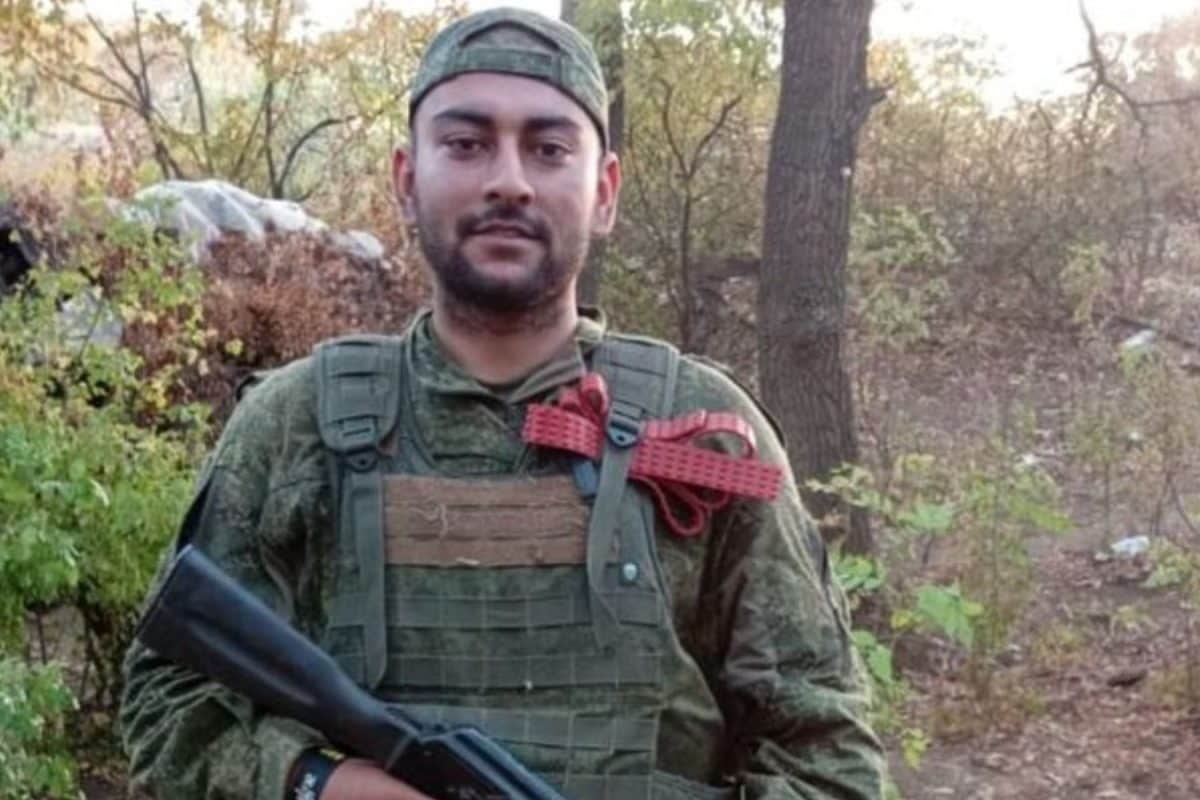
In a somber turn of events, the body of Sachin Khajuria, a 35-year-old man from the Indian state of Jammu and Kashmir, has arrived back in his hometown after his tragic death in the Russia-Ukraine conflict zone. Khajuria’s death has sparked widespread concern and scrutiny over the recruitment practices that led to his involvement in the war, raising questions about the growing racket of mercenary operations and the ethical implications of such activities.
Sachin Khajuria, a resident of the village of Gulmarg in the union territory of Jammu and Kashmir, had left his family and his peaceful life behind to seek employment abroad. His journey took him to Russia, where he was allegedly recruited to fight in the conflict zone between Russia and Ukraine. Tragically, Khajuria’s life was cut short in the midst of the war, and his body was repatriated to India following a prolonged legal battle and diplomatic efforts.
The news of Khajuria’s death has sent shockwaves through his community, which is already grappling with the challenges of poverty, unemployment, and limited opportunities. His family, friends, and neighbors are mourning his loss, while also expressing concerns about the circumstances that led to his involvement in the conflict. The story of Sachin Khajuria serves as a stark reminder of the dangers and risks associated with the recruitment of mercenaries, particularly in times of global conflict.
Intelligence sources have indicated that the recruitment of mercenaries from countries like India, Pakistan, and Bangladesh has become a growing concern in the region. These individuals are often lured by promises of high wages and the prospect of easy money, but they are often unaware of the potential consequences of their actions. In many cases, they are exploited by unscrupulous recruiters who take advantage of their financial struggles and lack of awareness about the complexities of international conflicts.
The case of Sachin Khajuria highlights the urgent need for greater awareness and education about the risks associated with mercenary operations. It is crucial for the Indian government and other stakeholders to take proactive measures to prevent the exploitation of vulnerable individuals and to ensure that they are fully informed about the potential dangers of such activities. This includes strengthening the legal framework to combat the recruitment racket and providing support to families of those who have been affected by such incidents.
The repatriation of Khajuria’s body has also drawn attention to the challenges faced by the Indian government in managing such cases. The process of retrieving the bodies of Indian nationals who have died in foreign conflict zones can be complex and time-consuming, often requiring diplomatic negotiations and legal battles. The government must ensure that it has the necessary mechanisms in place to facilitate the swift and dignified repatriation of its citizens, while also providing adequate support to their families.
The death of Sachin Khajuria is a poignant reminder of the human cost of conflict and the need for global efforts to prevent the exploitation of individuals in such situations. It is essential that the international community comes together to address the root causes of such recruitment practices and to promote peace and stability in conflict-affected regions.
As the Indian community mourns the loss of Sachin Khajuria, his family and friends hope that his story will serve as a wake-up call for those who are considering similar opportunities. They urge young men and women to stay informed and cautious, emphasizing the importance of prioritizing their safety and well-being over the allure of easy money.
In conclusion, the tragic death of Sachin Khajuria in the Russia-Ukraine conflict zone has brought to light the growing concerns over the recruitment of mercenaries and the ethical implications of such activities. His story serves as a stark reminder of the dangers and risks associated with mercenary operations and the urgent need for greater awareness and proactive measures to prevent the exploitation of vulnerable individuals. As his family and community grieve, the Indian government and the international community must work together to address these challenges and to ensure the safety and well-being of all those affected by such circumstances.