Sabah bans export and import of some local freshwater fish, including koi, after virus outbreak
Mr Jamawi said such actions violated biosecurity principles and caused infections among native species.
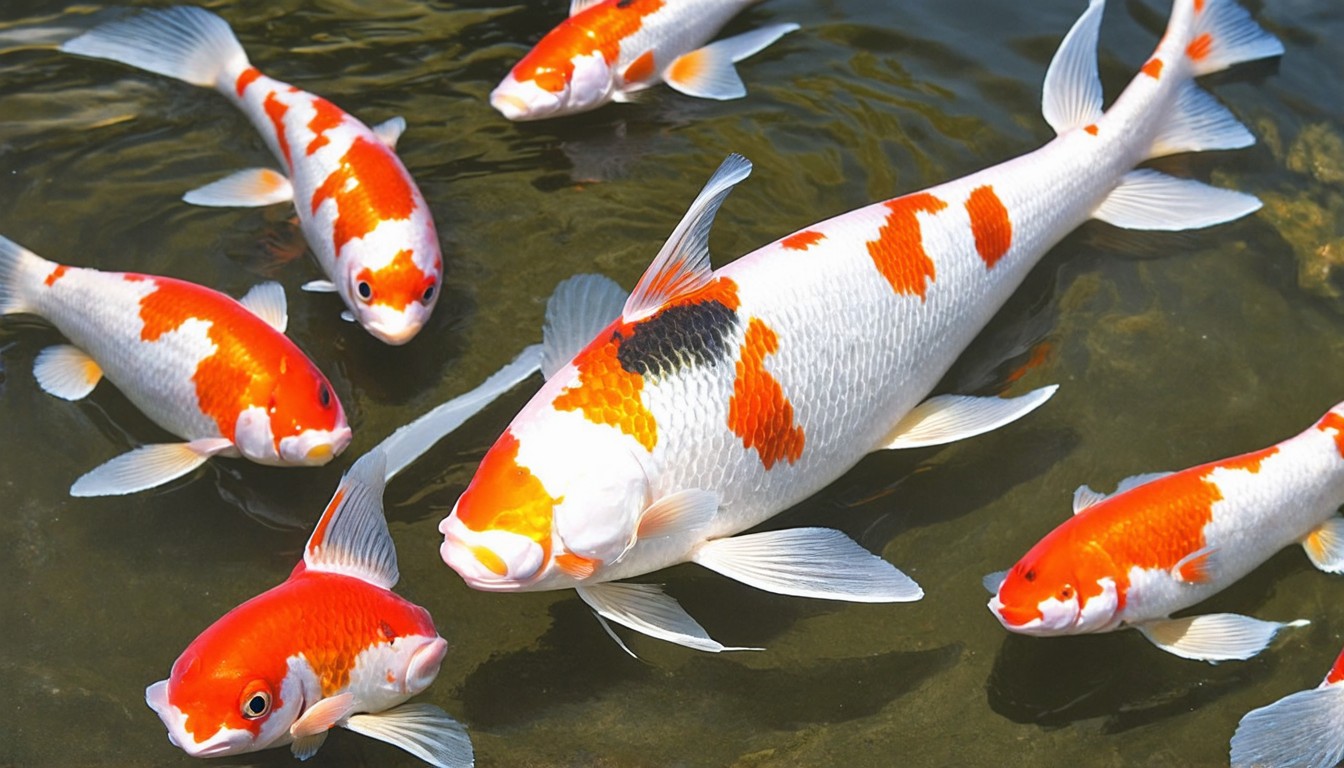
In a bid to protect its native aquatic ecosystems from a viral outbreak, the government of Sabah has imposed a ban on the export and import of certain local freshwater fish species, including koi. The move comes after a recent surge in cases of fish infections, prompting authorities to take stringent biosecurity measures.
Sabah's Minister of Agriculture and Fisheries, Mr. Jamawi, has been vocal in his concerns over the impact of these actions on the environment. He stated that the unregulated trade of these fish species has violated biosecurity principles, leading to the spread of infections among native fish populations. The virus, which has been identified as a significant threat to the region's aquatic biodiversity, has been found in several of the imported and exported fish.
The decision to ban the trade of these fish species is part of a broader strategy to safeguard Sabah's freshwater ecosystems. The government has been closely monitoring the situation, and the ban is expected to be in place until further notice. This includes a temporary halt on the export of koi, a popular ornamental fish, as well as other local species that have been identified as potential carriers of the virus.
Mr. Jamawi emphasized that the primary goal of this ban is to prevent the further spread of the virus and to protect the native fish species from potential infections. He acknowledged that the move may have economic implications for those involved in the trade of these fish, but stressed that the well-being of the environment must take priority.
The virus outbreak has been a cause for concern among environmentalists and conservationists in Sabah. They have long advocated for stricter biosecurity measures to protect the region's unique aquatic ecosystems. The recent ban is seen as a positive step towards achieving this goal, as it aims to limit the introduction of non-native species that could disrupt the delicate balance of the local ecosystem.
In addition to the ban on trade, the Sabah government has also launched a campaign to educate the public about the importance of biosecurity in aquaculture and fishkeeping. This includes promoting the use of disease-resistant fish varieties and encouraging responsible practices among fish farmers and hobbyists.
The ban on the export and import of these fish species is expected to have a significant impact on the local aquaculture industry. Many farmers and traders who rely on the sale of these fish may face challenges in the short term. However, the government has assured them that it will work towards finding alternative solutions and providing support where necessary.
As Sabah continues to grapple with the virus outbreak, the ban serves as a stark reminder of the importance of maintaining robust biosecurity protocols. The region's freshwater ecosystems are home to a diverse range of species, many of which are endemic and vulnerable to external threats. The government's decision to act swiftly and decisively is a testament to its commitment to preserving these precious natural resources for future generations.
In conclusion, the Sabah government's ban on the export and import of certain local freshwater fish species, including koi, is a critical measure to combat the ongoing viral outbreak and protect the region's native aquatic life. While the move may present economic challenges for some stakeholders, it is a necessary step towards safeguarding the ecological integrity of Sabah's freshwater ecosystems. As the situation evolves, the government will continue to monitor and adapt its strategies to ensure the long-term health and sustainability of these vital habitats.