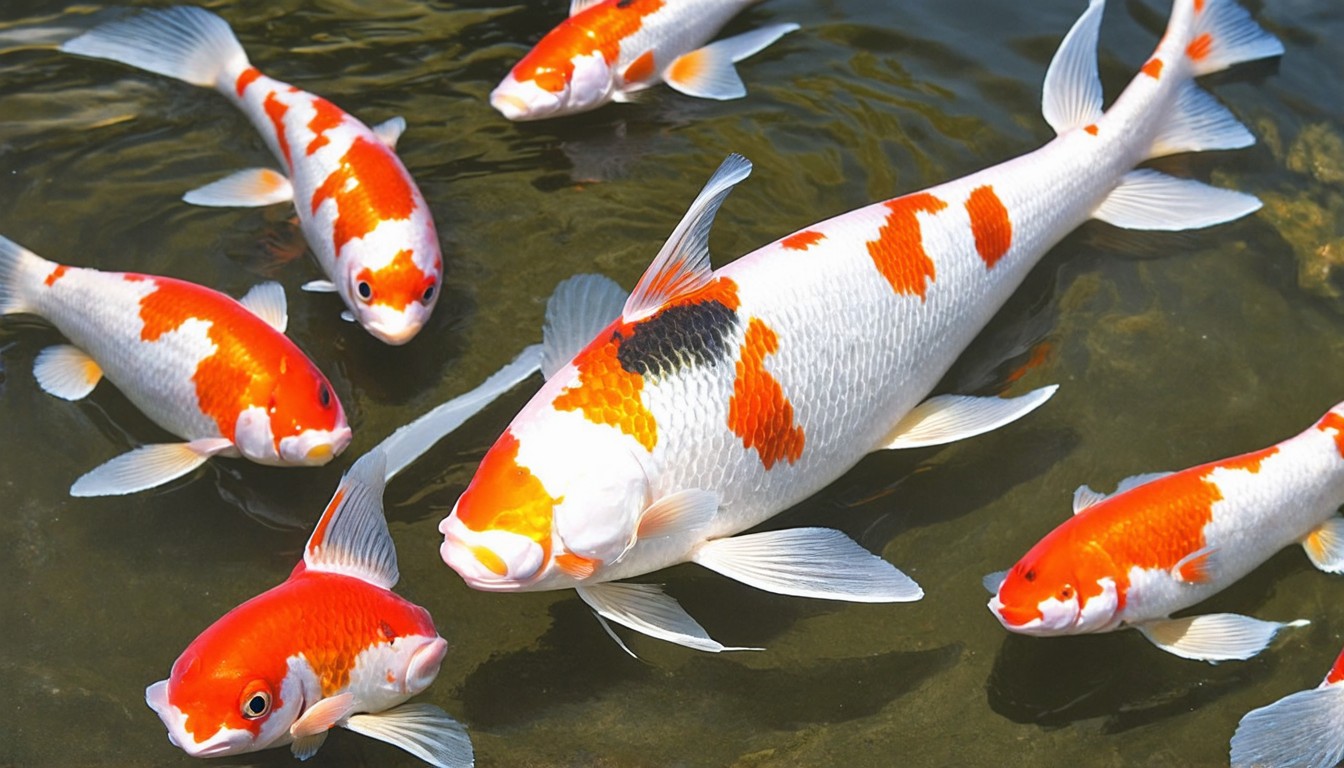
Sabah bans export and import of some local freshwater fish, including koi, after virus outbreak
Mr Jamawi said such actions violated biosecurity principles and caused infections among native species.
In a bid to protect its native aquatic ecosystems, the government of Sabah has recently imposed a ban on the export and import of certain local freshwater fish species, including koi. This move comes after a viral outbreak that has been linked to the spread of diseases among native fish populations. The decision, announced by the state's Agriculture, Rural and Regional Development Minister, Mr Jamawi, aims to safeguard the region's biodiversity and prevent further ecological damage.
The virus outbreak, which has been causing concern among local fisheries and environmental experts, has been traced back to the introduction of non-native fish species. These imported fish, often used in ornamental purposes or for aquaculture, have inadvertently carried pathogens that are detrimental to the native species. Mr Jamawi highlighted that such actions violate biosecurity principles, which emphasize the need to prevent the introduction of foreign organisms that could disrupt local ecosystems.
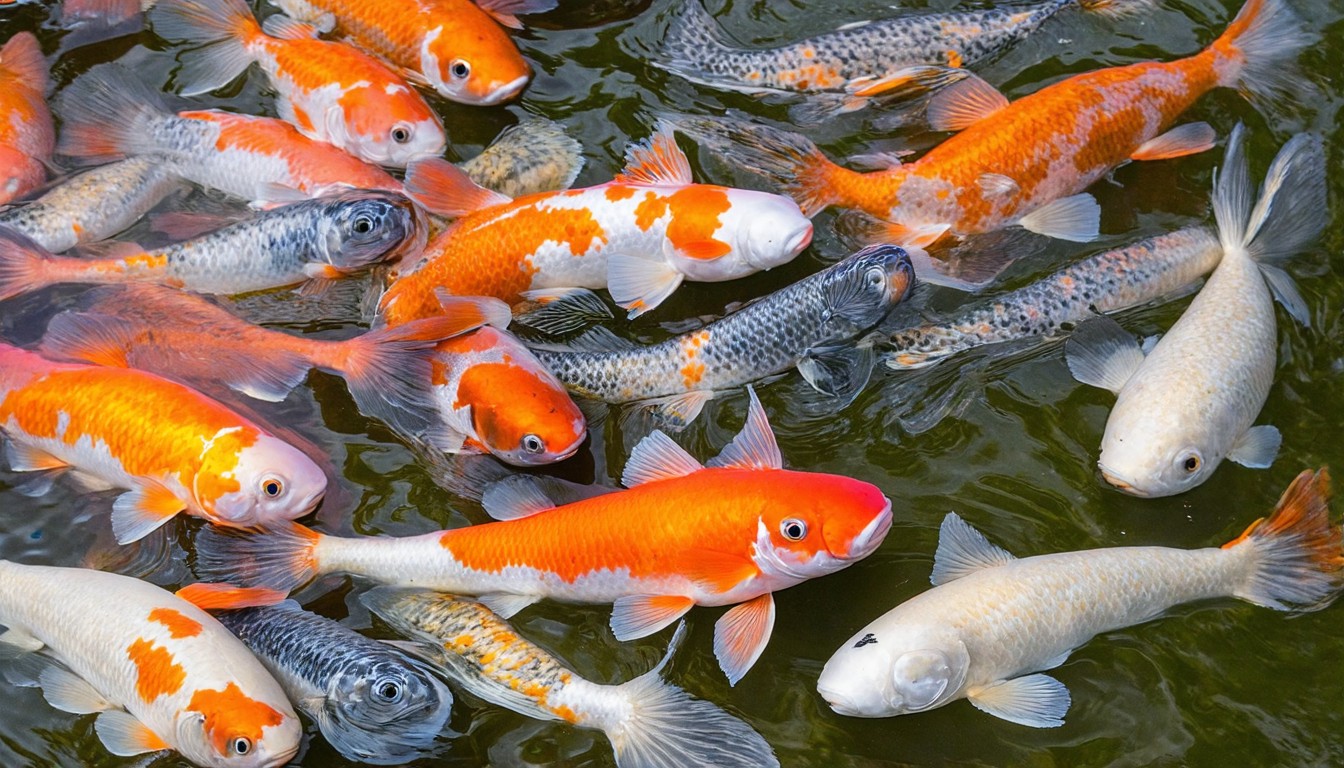
The ban, which will take effect immediately, covers several freshwater fish species, with koi being one of the most prominent examples. Koi, known for their ornamental value and popularity in pond culture, have been found to be carriers of the virus. By restricting their import and export, the Sabah government hopes to curb the spread of the disease and protect the region's native fish populations.
The move has been met with mixed reactions from various stakeholders. Environmental groups have applauded the government's decisive action, arguing that it is a necessary step to preserve the ecological balance. They emphasize that the health of native species is crucial for maintaining a thriving aquatic ecosystem. On the other hand, some aquaculture businesses and hobbyists express concerns about the potential economic impact of the ban. They argue that the industry relies heavily on the import of certain fish species, and the restriction could lead to job losses and financial hardships.
To address these concerns, the government has pledged to provide support and alternatives for affected businesses. Mr Jamawi assured that the state will work closely with industry representatives to explore sustainable practices and develop local sources for necessary fish species. The government also plans to invest in research and development to create vaccines and treatments for the virus, further mitigating its impact on both native and farmed fish populations.
In addition to the ban on koi and other affected species, the Sabah government has launched a public awareness campaign to educate citizens about the importance of biosecurity and the potential risks associated with introducing non-native species into local ecosystems. The campaign aims to encourage responsible pet ownership and aquaculture practices, emphasizing the need to prioritize the well-being of native wildlife.
The recent outbreak serves as a stark reminder of the delicate balance that exists in natural ecosystems. By taking a proactive approach and imposing strict biosecurity measures, Sabah is demonstrating its commitment to preserving its unique aquatic biodiversity for future generations. The challenge ahead involves striking a balance between economic interests and environmental protection, a task that requires collaboration and innovation from all stakeholders.
As the situation evolves, it will be crucial for the Sabah government to monitor the effectiveness of the ban and adapt its strategies as needed. With a clear understanding of the risks and a strong commitment to conservation, the state can work towards a sustainable future that protects its precious freshwater ecosystems and the diverse life forms that inhabit them.