
S. Korea eyes Moon landing in 2030
It hopes to complete a civilian-led rover project by 2030.
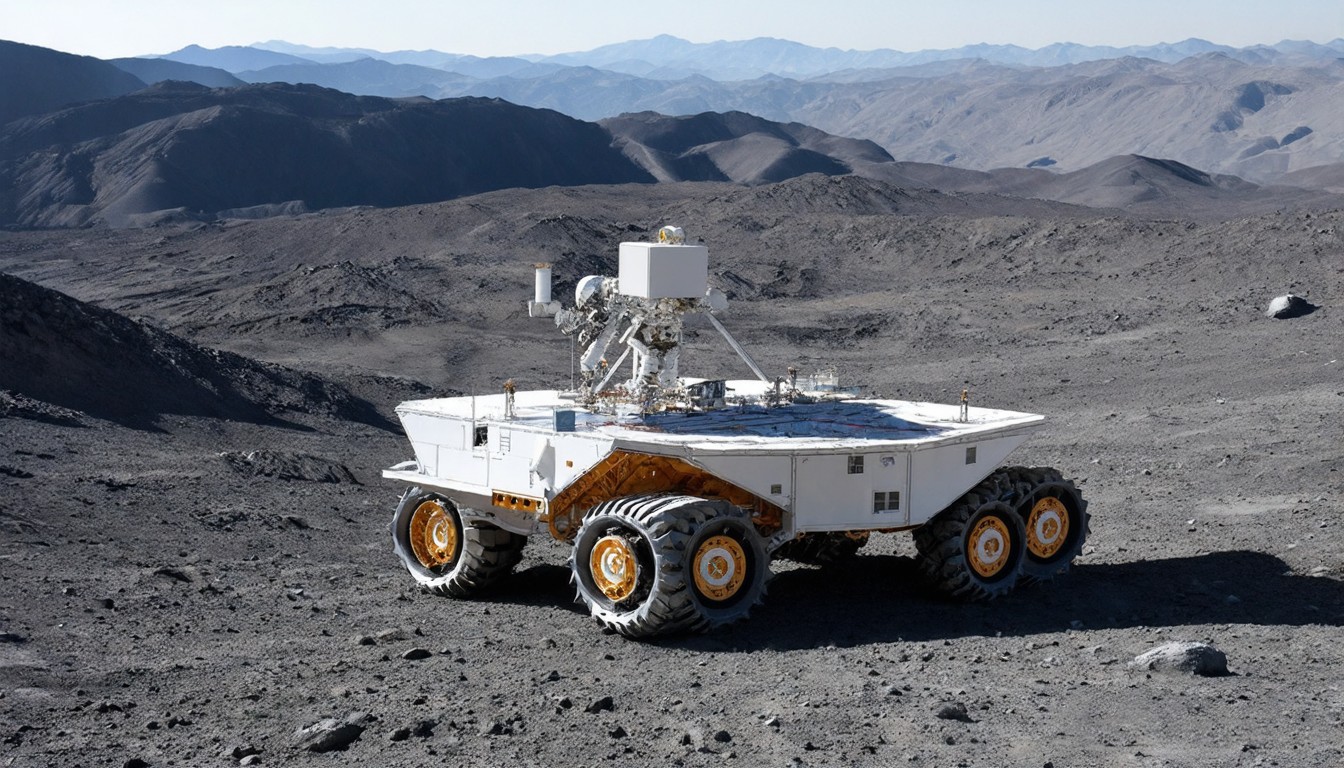
South Korea is setting its sights on a historic milestone with plans to land on the moon by 2030. The ambitious goal is part of a broader vision for the nation to establish itself as a leading player in space exploration, particularly through a civilian-led rover project. This initiative reflects South Korea's growing interest in space technology and its commitment to innovation in various sectors.
The South Korean government has been increasingly focused on space exploration in recent years, recognizing the potential benefits of such endeavors. The moon landing mission is seen as a significant step towards achieving this goal, as it would not only demonstrate technological prowess but also position the country as a global leader in space science. The civilian-led rover project, which is slated for completion by 2030, is central to this mission.
The rover project is a collaborative effort involving multiple agencies and institutions within South Korea. It aims to develop advanced technologies and systems that can operate in the harsh lunar environment. The project's success would not only validate South Korea's space ambitions but also contribute to scientific discoveries and technological advancements.
The moon landing mission is expected to require substantial investment and coordination between various stakeholders, including government agencies, private companies, and academic institutions. South Korea's space agency, the Korea Aerospace Research Institute (KARI), is playing a pivotal role in spearheading this initiative. KARI has been actively involved in international collaborations, such as the Lunar Reconnaissance Orbiter mission and the Lunar Atmosphere and Dust Environment Explorer (LADEE) mission, which have provided valuable experience and knowledge for the upcoming lunar landing.
In addition to the technical challenges, South Korea faces several logistical and financial hurdles in achieving its moon landing goal. The project requires significant funding, which will need to be secured through a combination of government budget allocations and private investments. The government has pledged to increase its space budget to support this ambitious endeavor, but the exact amount remains uncertain.
The moon landing mission is also expected to generate substantial public interest and pride within South Korea. It is viewed as a testament to the nation's technological capabilities and its ability to compete with global space powers like the United States and China. The success of the civilian-led rover project could inspire a new generation of engineers and scientists, fostering a culture of innovation and exploration.
However, the path to the moon landing is not without its challenges. South Korea will need to overcome technical barriers, secure adequate funding, and build a robust infrastructure for space exploration. Moreover, the project will require close collaboration with international partners, as the lunar missions often involve complex systems and shared resources.
Despite these challenges, South Korea remains optimistic about its chances of achieving the moon landing by 2030. The civilian-led rover project is seen as a critical component of this mission, showcasing the nation's commitment to space exploration and its potential to contribute to global scientific advancements. As the country continues to invest in space technology and foster international partnerships, the prospects of a successful moon landing in 2030 appear increasingly feasible.
In conclusion, South Korea's moon landing ambitions by 2030 are a testament to its growing interest in space exploration and its determination to establish itself as a global leader in this field. The civilian-led rover project, which is set to be completed by 2030, is central to this mission, requiring substantial investment, collaboration, and innovation. While the path to the moon is fraught with challenges, the potential benefits of this endeavor—both scientifically and technologically—are significant. As South Korea continues to build its space capabilities, the prospects of achieving this historic milestone are looking increasingly promising.









