Ryan Coogler on how he became a creative leader
Ryan Coogler, Zinzi Coogler, and Sev Ohanian, the founders of Proximity Media, share their top leadership tips for creatives.
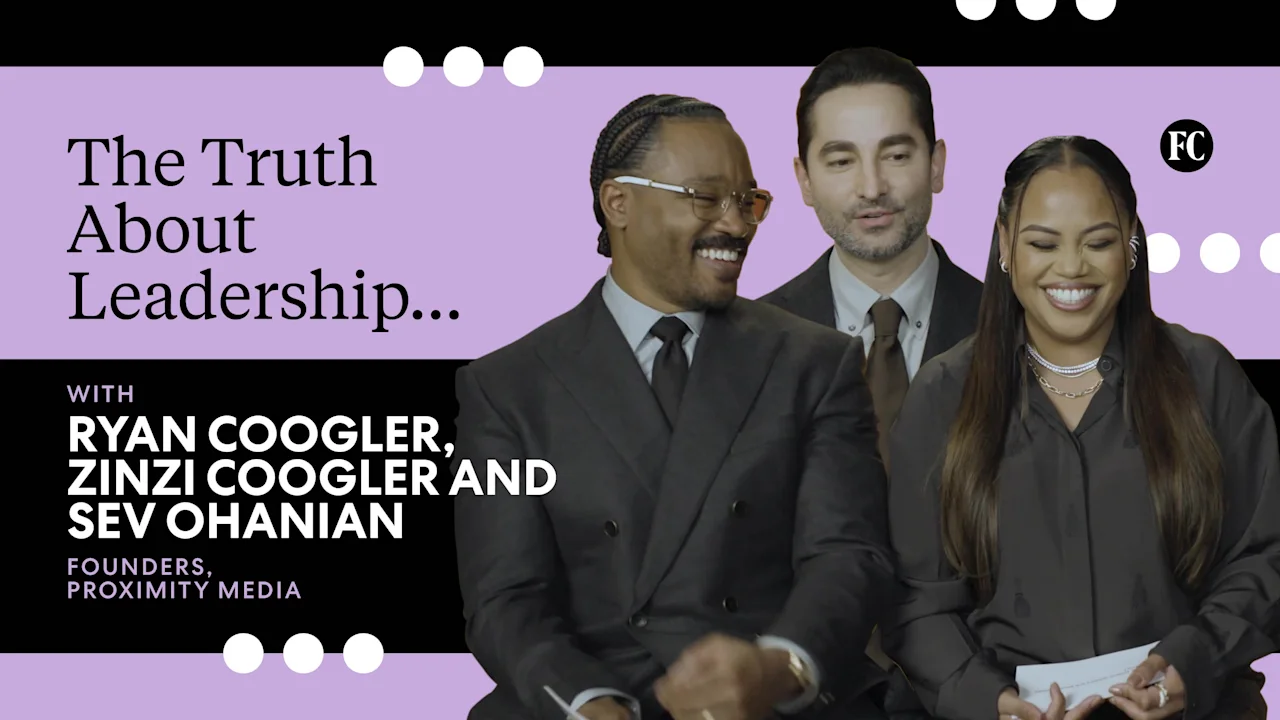
Ryan Coogler, the acclaimed filmmaker behind "Fruitvale Station" and "Creed," has carved out a successful career in Hollywood, becoming one of the most influential voices in modern cinema. Alongside his wife, Zinzi Coogler, and business partner Sev Ohanian, he founded Proximity Media, a creative studio that empowers and supports other creatives. In a recent interview, the trio shared their leadership tips for those aspiring to make a mark in the industry.
Ryan Coogler's journey to becoming a creative leader began with a passion for storytelling. Growing up in Oakland, California, he was deeply influenced by the city's rich cultural tapestry and its diverse narratives. His early experiences shaped his unique perspective, which he later channeled into his filmmaking. Coogler's breakthrough came with "Fruitvale Station," a film that told the story of Oscar Grant, a young Black man killed by police in 2009. The movie not only garnered critical acclaim but also sparked important conversations about race and justice.
Proximity Media was born out of Coogler's desire to create a supportive environment for other creatives. The studio's mission is to foster innovation and collaboration, providing a platform for diverse voices to thrive. Coogler, Zinzi, and Ohanian believe that leadership in the creative industry is not just about individual success but about nurturing a community of artists.
One of their top leadership tips is the importance of authenticity. Coogler emphasizes that creatives must stay true to their voice and vision. "If you're not authentic, it will show up in your work," he says. "People can sense when something isn't genuine, and it can undermine your credibility." Authenticity, they argue, is the cornerstone of meaningful leadership, as it builds trust and inspires others to follow.
Another key tip is the value of resilience. The creative process is often filled with obstacles and setbacks. Coogler recalls the challenges he faced during the early stages of his career, including rejection and doubt. "You have to be prepared to face criticism and failure," he says. "But it's through these experiences that you grow and become a better leader." Resilience, they argue, is not just about persevering but also about learning from setbacks and using them as fuel for innovation.
Coogler, Zinzi, and Ohanian also stress the importance of empathy in leadership. They believe that understanding and valuing the perspectives of others is crucial for fostering a collaborative environment. "As leaders, we have a responsibility to listen and support those around us," Zinzi Coogler says. "Empathy helps us build stronger teams and create more impactful work." By prioritizing empathy, creatives can cultivate a culture of inclusion and mutual respect, which in turn leads to more innovative outcomes.
Finally, the trio highlights the necessity of continuous learning. The creative industry is ever-evolving, and staying ahead requires a commitment to growth. Coogler encourages creatives to seek out new experiences, engage with different disciplines, and challenge their own assumptions. "Leadership is not a destination but a journey," he says. "We must be open to change and willing to adapt to new challenges."
Proximity Media's leadership tips are not just about individual success but about building a sustainable and inclusive creative ecosystem. By prioritizing authenticity, resilience, empathy, and continuous learning, creatives can not only excel in their craft but also inspire future generations of artists. As Coogler, Zinzi, and Ohanian continue to shape the industry, their vision of leadership serves as a powerful example for all who aspire to make a mark in the world of creativity.