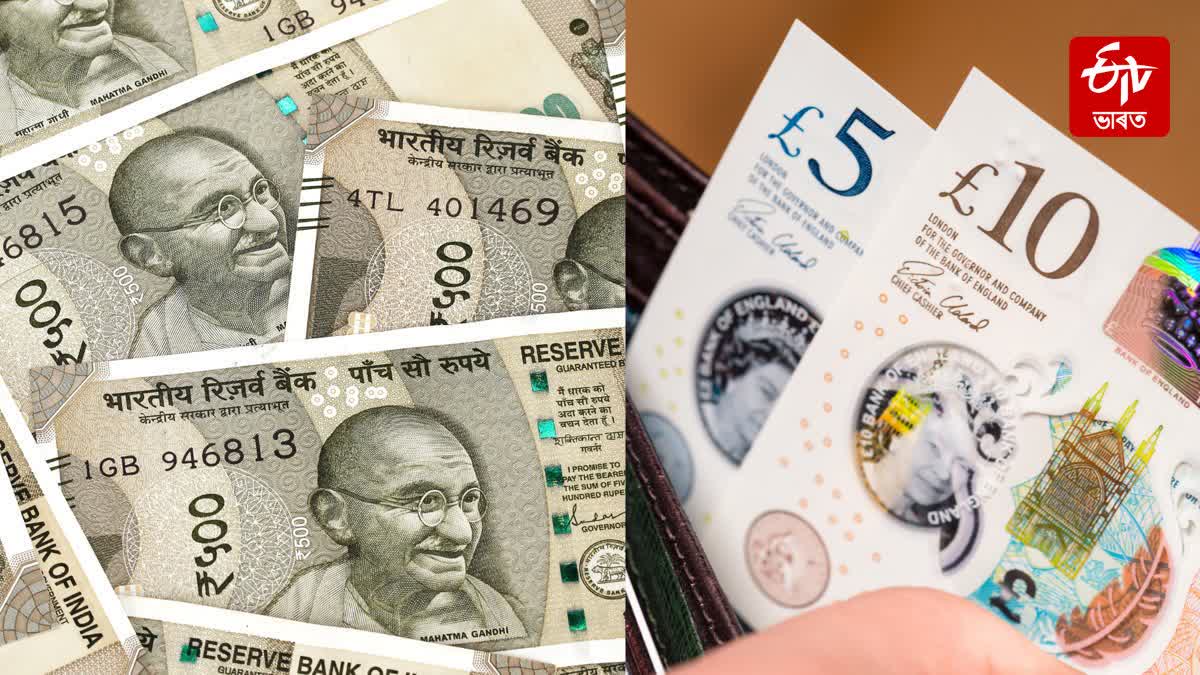
Rupee Weakness: RBI Rate Hike or Deposit Drive for Stability?
The Indian Rupee's ongoing depreciation is largely seen as a capital flows issue, primarily influenced by low global interest rates over the past 15 years. Policymakers are now weighing an RBI rate hike against a massive domestic deposit mobilisation drive to
The Indian Rupee is currently experiencing notable weakness, sparking significant discussion among economists and policymakers regarding its causes and remedies. This ongoing depreciation is largely attributed to capital flow issues, a critical component of national economic stability. The debate now centers on whether interventions like an RBI rate hike or a substantial domestic deposit mobilisation drive are the necessary steps to address the rupee's perceived undervaluation and restore its strength.
A weakening rupee carries multifaceted implications for the Indian economy. For consumers, it often translates to higher import costs, making everything from crude oil to electronics more expensive and potentially fueling inflationary pressures. Businesses in international trade face increased uncertainty. A continuously depreciating currency can erode investor confidence and impact long-term economic planning. Maintaining a stable and appropriately valued currency is crucial for fostering predictable economic growth and attracting sustained investment.
Capital flows refer to the movement of money for investment, trade, or financing between countries. When foreign investors bring capital into India (FDI or FII), it increases demand for rupees, strengthening the currency. Conversely, when foreign capital exits, or Indian entities invest heavily abroad, it creates demand for foreign currency and can lead to rupee depreciation. The balance of these inflows and outflows is a primary determinant of a currency's exchange rate.
A key insight into India's capital flow dynamics over the past decade and a half points to a significant external factor: persistently low global interest rates. For approximately 15 years, a global environment of accommodative monetary policies in major economies has driven investors worldwide to seek higher returns in emerging markets. India, with its growth potential, has often benefited from this search for yield. Lower rates in developed nations make relatively higher rates in India more attractive, drawing in foreign portfolio investment.
It is important that this influx of foreign capital, while beneficial, was reportedly not primarily driven by India's "intrinsic country-specific quality." This suggests that while India's economic fundamentals, market size, and growth prospects play a role, the dominant magnet for foreign funds was the differential in interest rates compared to other global markets. This distinction is crucial for policymakers, implying remedies for rupee weakness might need to address external monetary conditions as much as internal economic attributes.
The notion of an "undervalued" rupee implies its current market exchange rate is lower than what its economic fundamentals would suggest. An undervalued currency can make exports cheaper and imports more expensive, potentially boosting export-led growth but also risking imported inflation. However, if perceived as excessive or destabilizing, it can deter foreign investment and erode purchasing power. Determining a currency's "true" value is a complex exercise, involving purchasing power parity, balance of payments, and interest rate differentials.
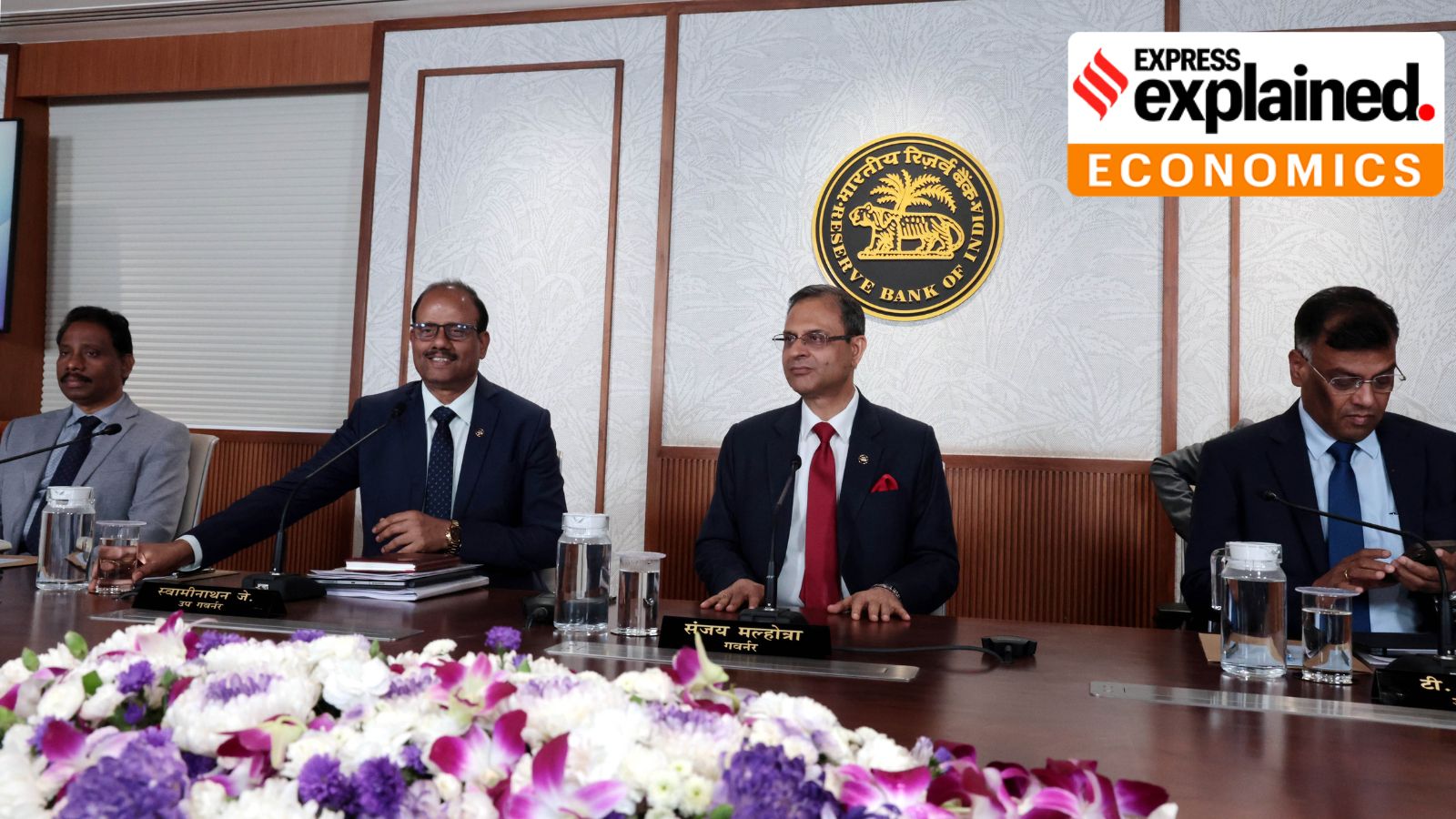
One prominent suggestion to address the rupee's weakness and perceived undervaluation is a rate hike by the Reserve Bank of India's Monetary Policy Committee (MPC). Raising benchmark interest rates would make rupee-denominated assets, such as bonds and fixed deposits, more attractive to foreign investors. This increased yield could potentially draw in more capital, increasing demand for the rupee and strengthening its value. However, such a move has trade-offs: higher interest rates can also increase borrowing costs domestically, potentially slowing economic growth and investment. The RBI must carefully weigh these factors.
Another proposed strategy is a "massive deposit mobilisation drive." This approach focuses on strengthening the domestic financial base by encouraging greater savings and deposits within the country. By increasing the pool of domestic capital, India could potentially reduce its reliance on volatile foreign capital flows to fund its growth and investment needs. A robust domestic savings rate provides a more stable and predictable source of funding, making the economy less susceptible to global financial market fluctuations. Such a drive might involve various policy incentives.
Managing a nation's currency is a delicate act, requiring a nuanced understanding of both domestic and international economic forces. The Reserve Bank of India, in its role, must navigate a complex landscape, balancing the need for price stability (controlling inflation) with supporting economic growth. Currency interventions, interest rate adjustments, and other policy tools are deployed with these objectives in mind. The global economic environment, including geopolitical events, commodity prices, and monetary policies of major central banks, continues to exert significant influence on the rupee's trajectory.
The ongoing debate surrounding the Indian Rupee's weakness underscores the intricate relationship between global financial conditions and domestic economic policy. Whether through a strategic interest rate adjustment by the RBI or a concerted effort to boost domestic savings, the path forward requires a thoughtful and calibrated approach. Addressing the root causes of capital flow dynamics, particularly the influence of global interest rates, will be paramount in ensuring the rupee's stability and fostering sustainable economic resilience for India in the long term.