
Root-lesion nematode detected in Brazilian apple and grape crops for the first time
Researchers confirm the presence of Pratylenchus hippeastri in key fruit-producing regions, prompting phytosanitary response.
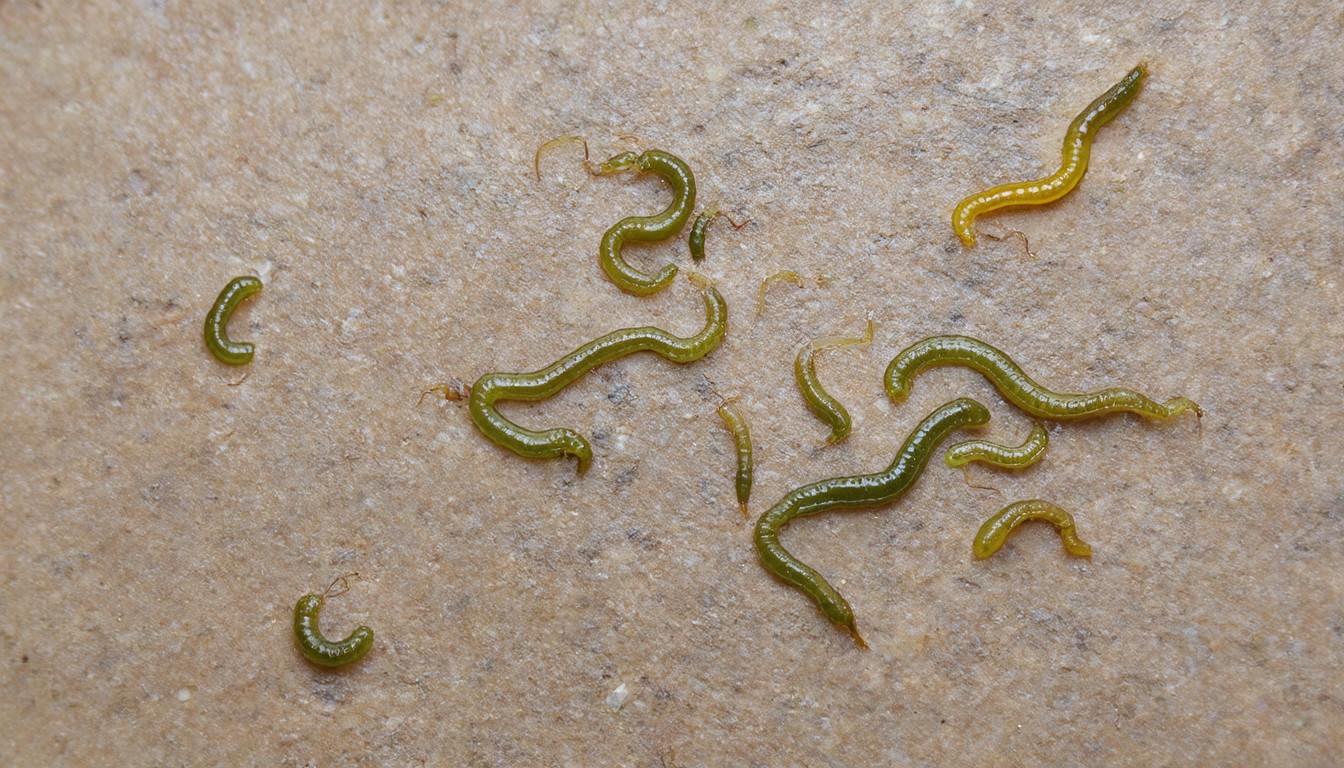
Brazilian researchers have recently reported the first confirmed detection of the root-lesion nematode *Pratylenchus hippeastri* infecting apple and grapevine crops in the country, raising concerns over potential impacts on fruit production. The findings, published in March 2026, follow investigations into stunted apple trees in Paraná state and symptomatic grapevines in Rio Grande do Sul. Root and soil samples collected from commercial orchards revealed the presence of the nematode species in both hosts.
Apple trees of the Gala variety in Palmas, Paraná, and Viognier grapevines grafted onto Paulsen rootstock in Pinto Bandeira exhibited symptoms including reduced growth, leaf yellowing, senescence, and root lesions. These signs initially prompted growers to seek assistance from agricultural experts, who suspected a nematode infestation. Laboratory analysis using centrifugal flotation techniques identified root-lesion nematodes, which were further examined through morphological and molecular methods.
Detailed morphological analysis of recovered specimens showed key identifying features consistent with *Pratylenchus hippeastri*, including two lip annuli, lateral fields with four incisures, and a conoid tail with a blunt terminus. These characteristics are distinctive and help differentiate the species from other nematodes that can affect plants. Molecular sequencing of ribosomal DNA regions confirmed the identification, with results showing 100% genetic similarity to previously documented isolates. The sequences have been deposited in GenBank, supporting the classification and enabling future reference for other researchers and phytosanitary authorities.
The nematode species has previously been reported in a range of hosts globally, including ornamental plants, grapevine species in the United States, apple crops in China and Africa, and strawberries in Costa Rica. However, this marks its first documented occurrence in Brazil. The detection of *Pratylenchus hippeastri* in Brazilian fruit crops is significant not only because it represents a new geographical range for the species but also because it could pose risks to the country's fruit production.
Authorities have been notified, and the Ministry of Agriculture is expected to assess the phytosanitary risks and consider measures to limit the spread of the pathogen. The detection highlights the need for continued monitoring and early diagnostic efforts in Brazil’s fruit sector, particularly as nematode infestations can lead to yield losses and long-term soil health challenges.
In response to the discovery, the Brazilian agricultural community is likely to prioritize preventive measures, such as inspecting imported planting material and implementing integrated pest management strategies. Farmers may also be advised to adopt practices that reduce nematode populations, such as crop rotation and the use of resistant rootstocks.
The presence of *Pratylenchus hippeastri* in Brazilian apple and grape crops underscores the importance of vigilance in the global fight against invasive plant pests. As climate change and increased trade continue to facilitate the spread of pests, countries must remain proactive in their phytosanitary efforts to protect agricultural productivity and food security.
In the coming months, further research is expected to focus on understanding the ecology and impact of *Pratylenchus hippeastri* in Brazilian soils, as well as developing effective management strategies to mitigate potential damage to fruit crops. The early detection and identification of the nematode have provided a critical window of opportunity to implement targeted responses and safeguard Brazil's fruit production from this emerging threat.








