
Rooftop solar reaches 20% of Puerto Rico’s generation mix
Rooftop solar capacity in Puerto Rico reached around 1.5 GW in 2025, passing natural gas and becoming the territory’s second-largest generation source, according to the Energy Information Administration.
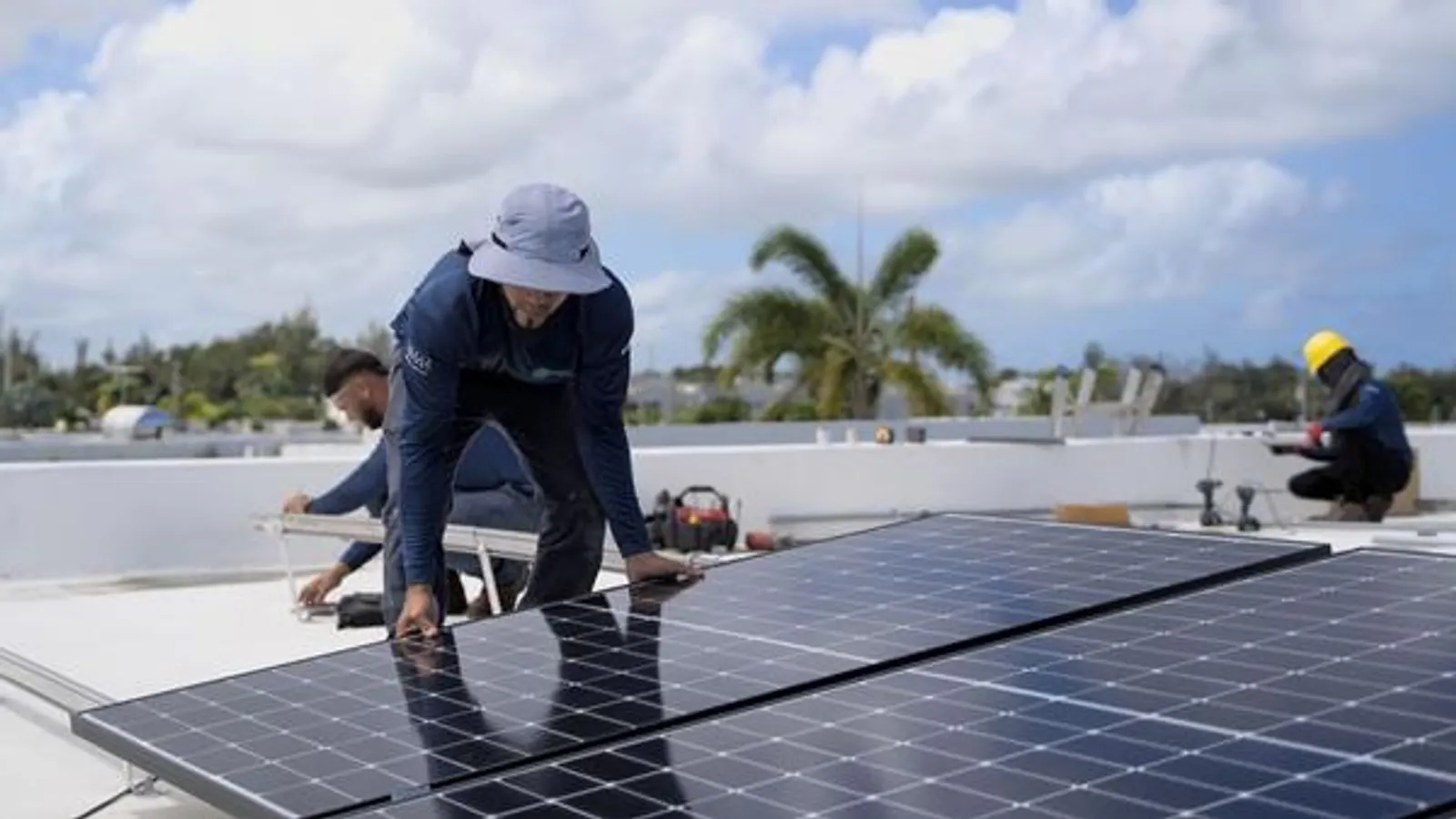
In 2025, Puerto Rico witnessed a significant shift in its energy landscape as rooftop solar capacity surpassed natural gas to become the territory's second-largest generation source, according to the Energy Information Administration (EIA). This milestone highlights the rapid growth of renewable energy in the region, driven by a combination of government incentives, technological advancements, and the island's unique energy challenges.
Puerto Rico has long struggled with energy security, having relied heavily on imported fossil fuels and faced frequent power outages due to natural disasters and aging infrastructure. In response, the government introduced policies to promote renewable energy, including tax credits and net metering programs, which incentivized homeowners and businesses to install solar panels. These initiatives, combined with falling solar panel costs, led to a surge in rooftop solar installations across the island.
The transition to rooftop solar was not without its challenges. The island's energy grid, designed to handle centralized power plants, faced strain as decentralized solar systems contributed to variability and fluctuations in supply. However, the benefits of this shift were undeniable. Rooftop solar not only reduced Puerto Rico's dependence on imported fuels but also provided a resilient energy source during natural disasters, as seen in the aftermath of Hurricane Maria in 2017.
The growth of rooftop solar in Puerto Rico is part of a broader trend in the United States, where residential solar installations have expanded rapidly in recent years. According to the EIA, rooftop solar capacity in the U.S. has increased from just 1.5 GW in 2010 to over 10 GW by 2025. This expansion has been driven by technological improvements, policy support, and the declining cost of solar technology, making it more accessible to homeowners and businesses.
The rise of rooftop solar in Puerto Rico also has implications for the territory's energy market. As solar capacity continues to grow, it is expected to further displace natural gas and, eventually, coal-fired power plants. This shift could lead to lower energy costs for consumers and reduced greenhouse gas emissions, aligning with global efforts to combat climate change.
However, the transition to rooftop solar is not without its critics. Some argue that the reliance on decentralized systems could pose challenges for grid stability and energy management. Others contend that the focus on rooftop solar may divert attention and resources from larger-scale renewable projects, such as wind farms and utility-scale solar farms, which could provide more consistent and reliable power.
Despite these concerns, the success of rooftop solar in Puerto Rico demonstrates the potential of decentralized energy systems to transform energy markets and improve energy security. As the territory continues to invest in renewable energy, it serves as a model for other regions facing similar energy challenges, showcasing the power of innovation and collaboration in building a sustainable future.
In conclusion, the rise of rooftop solar in Puerto Rico to become the second-largest generation source in 2025 is a testament to the effectiveness of government policies, technological advancements, and the resilience of the island's energy sector. While challenges remain, this milestone underscores the importance of renewable energy in addressing global energy needs and fostering a more sustainable and resilient future for all.








