
Rooftop solar now accounts for one-fifth of Puerto Rico’s generation capacity
Distributed solar additions have vastly outpaced all other forms of generation as Puerto Rico’s overall power generation capacity continues to grow.
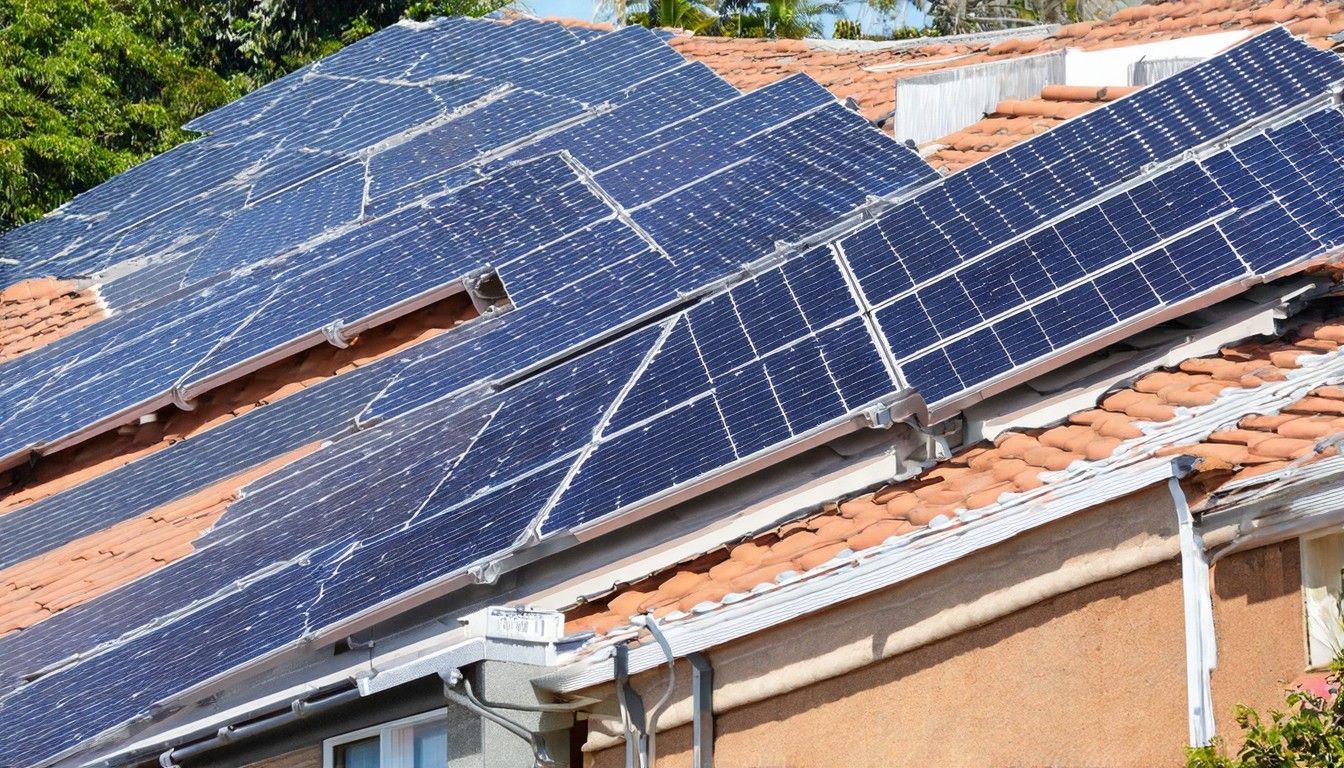
In recent years, Puerto Rico has witnessed a remarkable surge in rooftop solar installations, transforming the island's energy landscape. According to data from the US Energy Information Administration (EIA), rooftop solar now accounts for 20% of the territory's total power generation capacity, surpassing natural gas to become the second-largest capacity source. This dramatic growth has been driven by distributed solar additions, which have outpaced all other forms of generation over the past decade.
Between 2016 and 2025, distributed solar installations accounted for 81% of all new generating capacity added to Puerto Rico's grid. In 2025 alone, an average of 3,850 rooftop solar systems were installed each month at homes and businesses, resulting in a total of 191,929 active systems by the end of the year. This rapid expansion has not only bolstered the island's renewable energy capacity but also provided a significant boost to energy independence.
The rooftop solar capacity in Puerto Rico now stands at 1,456 MW, far exceeding the estimated 165 MW of utility-scale solar installed on the island. PJ Wilson, president of the Solar Energy and Storage Association Puerto Rico, emphasized the industry's commitment to further expanding distributed solar across the territory. "We are committed to building on this momentum and ensuring rooftop solar and storage continue to grow as a key part of Puerto Rico's energy system to strengthen the grid and expand energy independence," Wilson told pv magazine USA.
Despite the rapid growth of solar capacity, other generation sources have not been significantly displaced. Capacity from petroleum, natural gas, and coal has shown little change over the past five years. In 2025, Puerto Rico Governor Jenniffer González Colón signed Act 1-2025 into law, extending the lifespan of the territory's only coal-fired power plant through 2032. This decision faced opposition from local communities, who have called for a more aggressive transition to renewable energy sources.
The legislation also revised renewable portfolio standards, removing interim targets of 40% by 2025 and 60% by 2040. However, the long-term goal of achieving 100% renewable energy by 2050 remains in place. This shift in policy has raised concerns among environmental advocates, who argue that the removal of interim targets could slow progress toward achieving the island's renewable energy objectives.
The growth of rooftop solar in Puerto Rico is a testament to the potential of distributed energy resources to transform energy systems. As the island continues to expand its solar capacity, it offers valuable insights into the role that distributed solar can play in building resilient and sustainable energy grids. The rapid adoption of rooftop solar in Puerto Rico highlights the importance of supportive policies and infrastructure to accelerate the transition to renewable energy worldwide.








