
Robotaxi companies won’t say how often remote operators intervene
Autonomous vehicle companies are refusing to disclose key details about their use of remote assistance teams, including how often these workers are forced to intervene to help their self-driving cars. Sen. Ed Markey (D-MA) had asked robotaxi companies to disclose the information as part of an investigation by his office into the use of remote […]
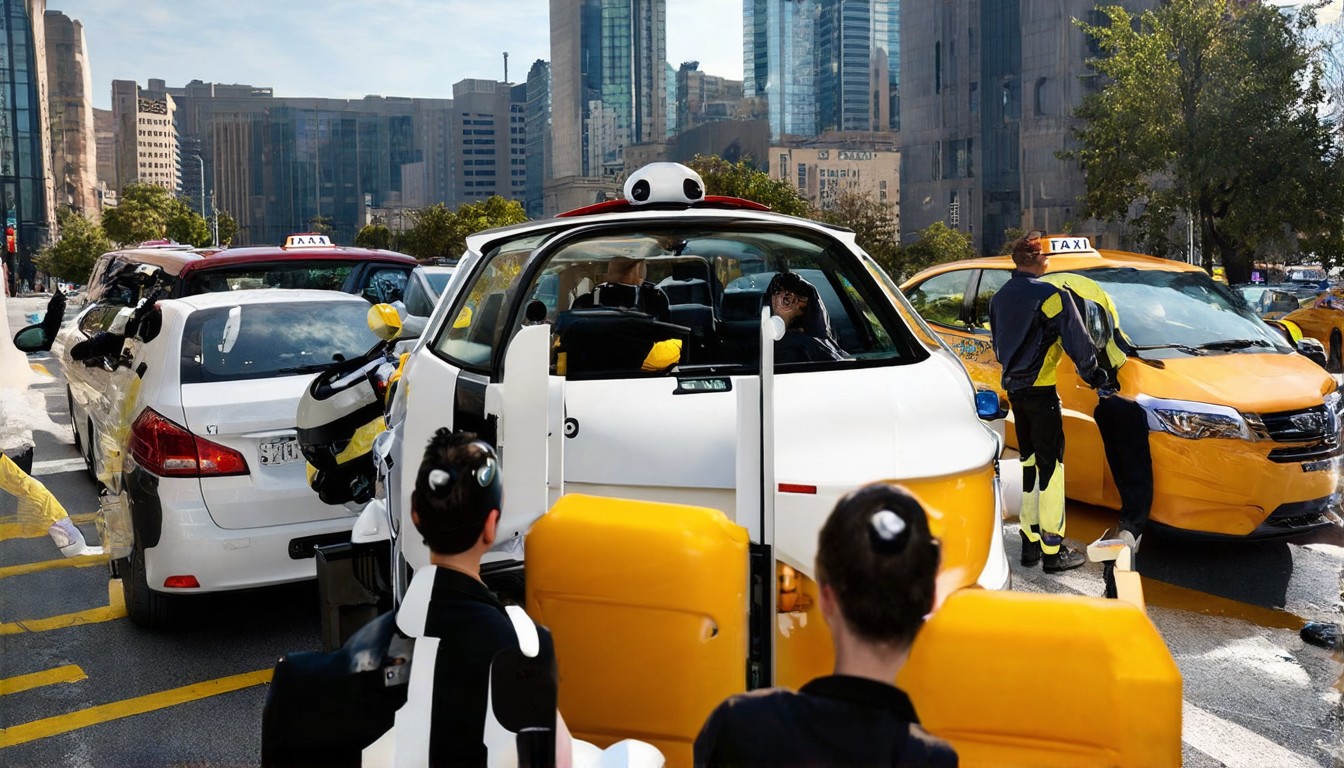
Autonomous vehicle companies are refusing to disclose critical details about their reliance on remote assistance teams, sparking concerns among regulators and raising questions about the safety of self-driving cars. Sen. Ed Markey (D-MA) has initiated an investigation into the use of remote assistance operators (RAO) by several robotaxi companies, including Aurora, May Mobility, Motional, Nuro, Tesla, Waymo, and Amazon's Zoox. The senator's office sent letters to these companies, requesting transparency on how often remote operators must intervene to help their autonomous vehicles navigate complex situations.
The refusal to disclose such information has raised alarms, as the extent of human intervention could significantly impact public trust in the technology. Critics argue that if remote operators are frequently needed to take control, it raises questions about the true level of autonomy of these vehicles. The lack of transparency has become a focal point of scrutiny, particularly as the push for widespread adoption of autonomous vehicles continues to grow.
Sen. Markey's investigation aims to shed light on the extent of human oversight required in these systems. The senator's office has requested data on the frequency of interventions, the types of situations that necessitate human intervention, and the qualifications of the remote operators. These details are crucial for understanding the current state of autonomous vehicle technology and assessing the risks involved.
The companies involved have not provided specific information on these matters, citing concerns over competitive disadvantage and the potential for their proprietary technology to be exposed. However, critics contend that the public has a right to know how these vehicles are being operated, especially as they are expected to become a common sight on our roads.
The situation has drawn comparisons to the early days of aviation, when pilots were required to manually control aircraft. As technology advanced, systems became more automated, but human oversight remained a critical safety measure. In the case of autonomous vehicles, the balance between automation and human intervention is still unclear.
The lack of transparency has also raised broader questions about the regulatory framework governing autonomous vehicles. While some states have begun to regulate the use of these systems, a federal approach is still lacking. Sen. Markey's investigation could help inform the development of comprehensive regulations that prioritize safety and transparency.
In the meantime, the public and policymakers are left to piece together the puzzle of how autonomous vehicles are being operated. The refusal of these companies to disclose key information has fueled debates about the future of transportation and the role of technology in our daily lives.
As the push for autonomous vehicles continues, it is essential that the public is kept informed about the level of human intervention required. Transparency in this area is crucial for building trust in the technology and ensuring that it is developed in a manner that prioritizes safety and security. Sen. Markey's investigation serves as a reminder that the responsibility to provide this information rests not only with regulators but also with the companies developing these technologies.
The full story at The Verge.








