Roblox won't be banned in the Philippines after child safety talks
The Philippine government has no plans to ban Roblox, officials said Tuesday, April 7, and instead will press the platform for stronger child safety measures amid mounting concerns over online sexual abuse and exploitation of children.
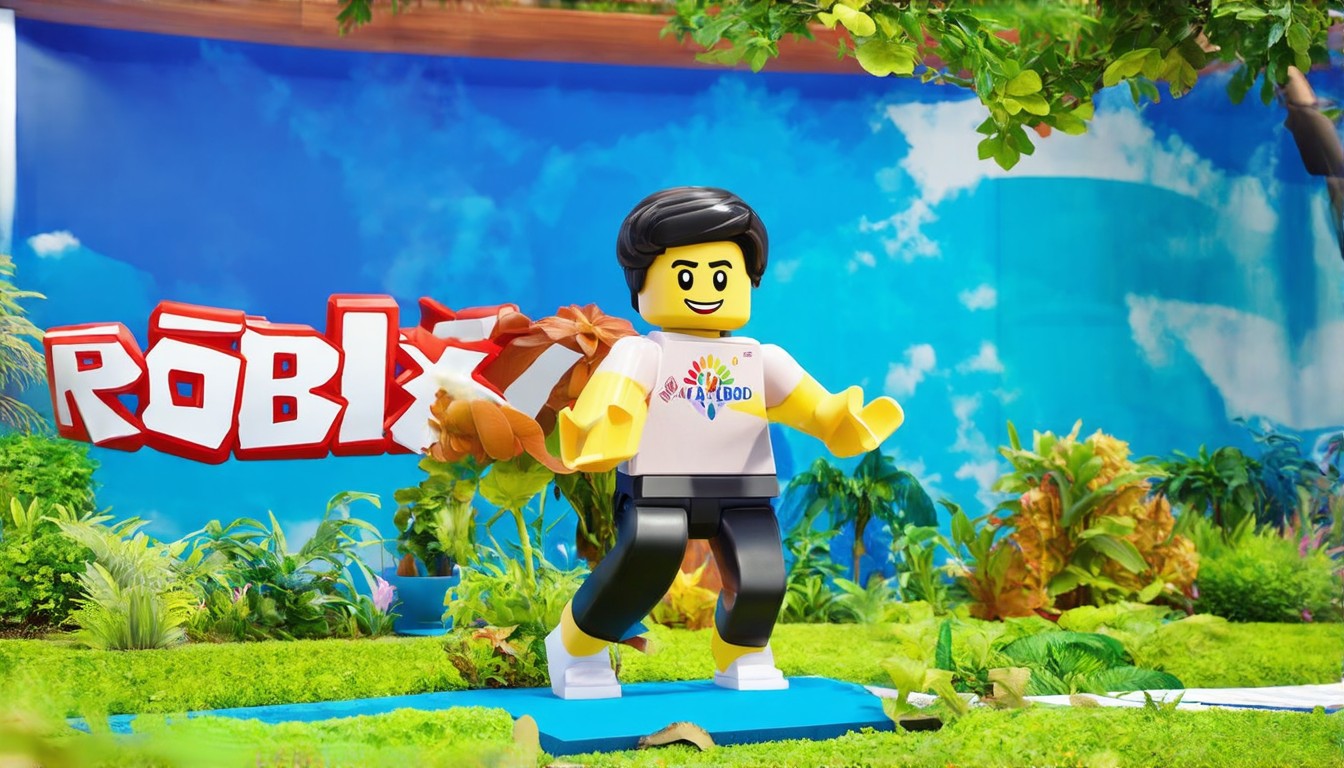
The Philippine government has decided against banning Roblox, a popular online gaming platform, and instead will focus on improving child safety measures amid growing concerns over online sexual abuse and exploitation of children. Officials announced this decision on Tuesday, April 7, after engaging in discussions with Roblox Corporation to address the issues at hand.
In recent months, there have been reports of minors being targeted and exploited on Roblox, leading to calls for stricter regulations and potential bans. Parents and child rights advocates have expressed deep concerns about the platform's inadequate safeguards, which they believe leave children vulnerable to predators. The Philippine government, recognizing the severity of the situation, opted to take a proactive approach rather than resorting to a ban.
Officials emphasized that the government's priority is to ensure the safety and well-being of children online. They believe that working collaboratively with Roblox to enhance safety features is a more effective solution than outright banning the platform. This approach allows the government to maintain a dialogue with the company while pushing for necessary improvements.
Roblox Corporation has been aware of the concerns raised in the Philippines and other regions. The company has already implemented several safety measures, such as age verification and parental controls, to protect its young users. However, critics argue that these measures are insufficient and that more needs to be done to prevent exploitation.
The Philippine government's decision to focus on child safety rather than a ban reflects a broader trend of regulators seeking to balance the need for internet freedom with the imperative to protect vulnerable populations. By engaging in talks with Roblox, the government aims to set a precedent for how online platforms should handle child safety issues.
In the coming weeks, the Philippine government will work closely with Roblox to identify areas where improvements can be made. This collaboration is expected to involve regular monitoring and updates on the platform's safety features. The government will also likely provide guidelines and recommendations to ensure that Roblox meets the necessary standards to protect its users.
This move by the Philippine government is a significant development in the ongoing debate over online safety and regulation. It highlights the importance of dialogue and collaboration between governments and tech companies to address complex issues like child exploitation. While the decision to avoid a ban may not satisfy all stakeholders, it demonstrates a commitment to finding practical solutions that prioritize the safety of children.
As the conversation around online safety continues, the Philippine government's approach serves as a model for other nations grappling with similar challenges. By focusing on enhancing safety measures rather than outright bans, the government aims to create a safer digital environment for children while allowing them to enjoy the benefits of online platforms.
In conclusion, the Philippine government's decision to avoid banning Roblox and instead push for stronger child safety measures underscores the importance of proactive engagement with tech companies. This approach not only addresses immediate concerns but also sets a framework for future discussions on online safety, ensuring that children can use the internet in a protected and secure manner.