
RNC sues over out-of-state voters' ability to cast ballots in Virginia elections
The Republican National Committee filed a lawsuit Monday challenging Virginia's voting system, saying the state allows some people who have never been physical residents to cast ballots in its elections.
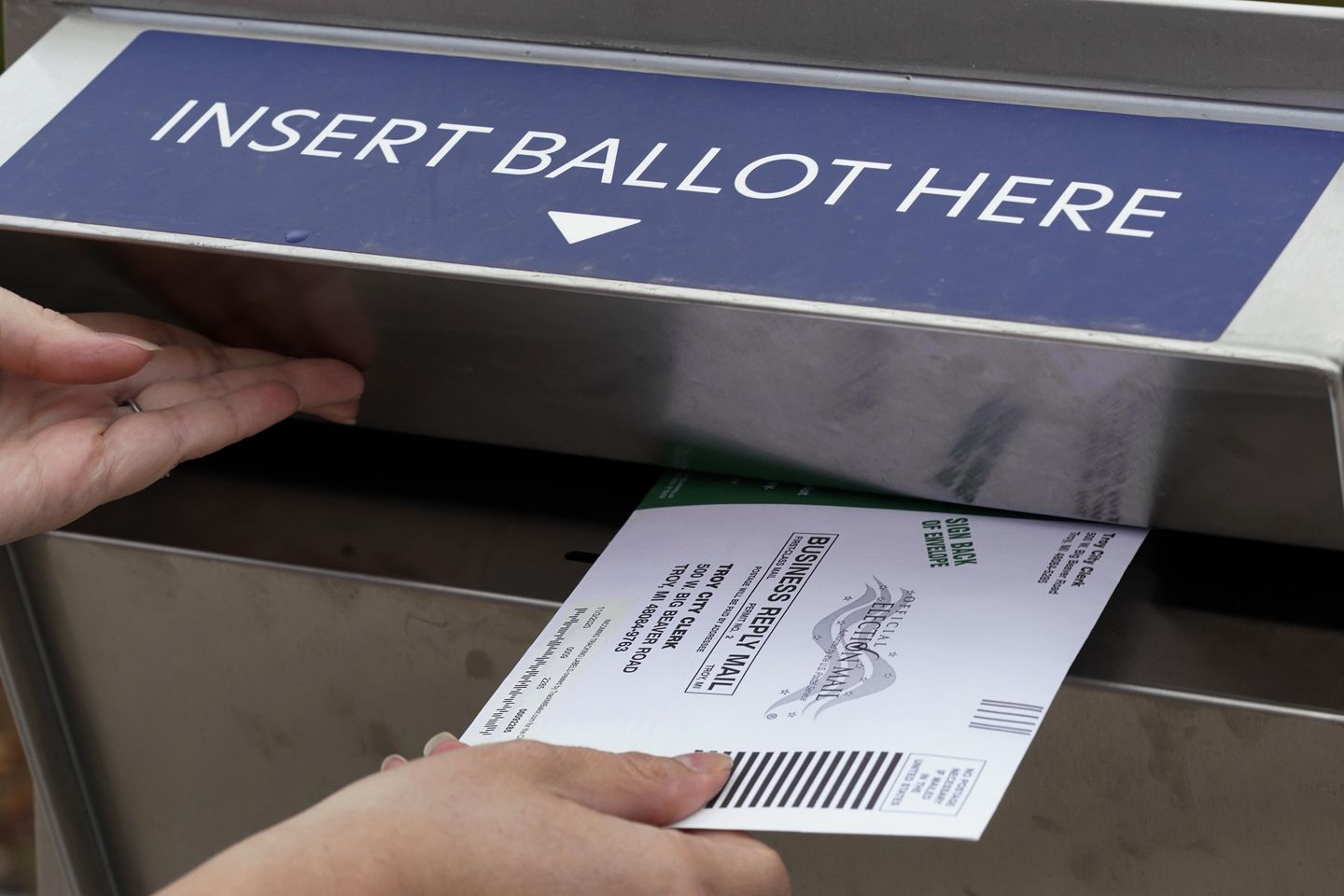
The Republican National Committee (RNC) has filed a lawsuit against Virginia, alleging that the state's voting system permits individuals who have never been physical residents to cast ballots in its elections. The lawsuit, filed on Monday, challenges the constitutionality of Virginia's voter registration policies, which the RNC claims allow non-residents to participate in state elections.
According to the RNC, Virginia's current voting system allows individuals who are not physically present in the state to register and vote, which they argue is unconstitutional. The committee asserts that the U.S. Constitution requires that only individuals who are citizens and have a direct connection to the state—such as residency—should be eligible to vote in state elections. The lawsuit specifically targets Virginia's voter registration laws, which allow individuals to register to vote if they are U.S. citizens and have maintained a mailing address in the state for at least 30 days.
The RNC argues that this 30-day mailing address requirement is insufficient to establish a sufficient connection to the state, as it can be easily fulfilled by non-residents. The committee contends that this loophole enables individuals who do not live in Virginia to influence the state's elections, undermining the democratic process. The lawsuit seeks to overturn these voter registration rules, forcing the state to adopt stricter residency requirements for voters.
In response to the lawsuit, Virginia officials have defended the state's voting system, emphasizing that it is designed to ensure broad voter access and participation. State officials argue that the 30-day mailing address requirement is a reasonable standard for establishing eligibility to vote, as it allows citizens who are temporarily out of state—such as military personnel or students—to maintain their right to vote. They also note that similar voter registration policies are in place in other states and have been upheld by federal courts.
The lawsuit comes amid ongoing debates about voting rights and residency requirements across the United States. In recent years, several states have tightened voter registration laws, citing concerns about voter fraud and the need to protect the integrity of elections. Critics of these measures argue that they disproportionately affect minority and low-income voters, while proponents contend that they are necessary to prevent non-residents from interfering in state elections.
Virginia's voter registration policies have been a point of contention in the state's political landscape. Advocates for stricter residency requirements argue that they are necessary to ensure that only those with a genuine connection to the state have a say in local governance. On the other hand, supporters of the current system maintain that it is crucial for maintaining access to the ballot, particularly for individuals who may be temporarily absent from the state.
The lawsuit filed by the RNC is expected to spark a legal battle that could have significant implications for Virginia's voting system. If the lawsuit is successful, it could force the state to adopt stricter residency requirements for voters, potentially impacting the eligibility of thousands of citizens. Conversely, if the lawsuit is dismissed, it could reinforce the state's current voting system and serve as a reminder of the ongoing struggle to balance voter access with concerns about election integrity.
As the case unfolds, it will be watched closely by both political parties and civil rights organizations. The outcome could set a precedent for other states grappling with similar voting rights issues, further shaping the complex and contentious landscape of American elections.









