
Ripple CTO Emeritus Shares Take on Economic Value of XRP Adoption by Banks
David Schwartz believes Ripple is not pushing for XRP adoption by banks through monetary incentivization.
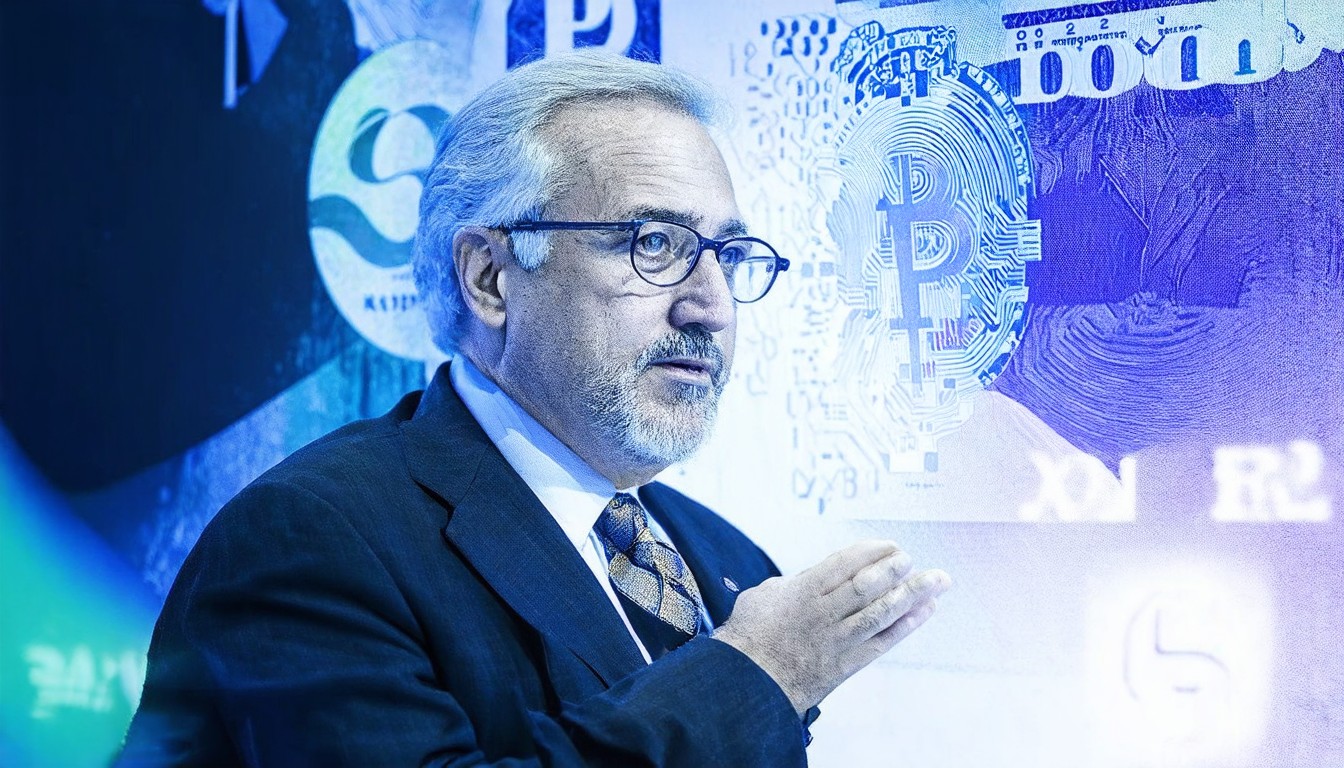
David Schwartz, the former Chief Technology Officer (CTO) of Ripple, has recently shared his perspective on the economic value of XRP adoption by banks. In a recent interview, Schwartz emphasized that Ripple's approach to encouraging bank adoption of XRP is not driven by monetary incentives. Instead, he highlighted the inherent benefits of XRP's technology and its potential to streamline financial transactions, thereby offering significant value to banks.
Schwartz explained that Ripple's strategy focuses on demonstrating the operational advantages of XRP, such as its ability to facilitate faster, cheaper, and more secure cross-border payments. By leveraging XRP's architecture, banks can reduce transaction costs and improve efficiency, which in turn can lead to substantial savings. This value proposition, according to Schwartz, is more compelling than financial incentives, as it directly impacts a bank's bottom line.
The former CTO also discussed the role of XRP in the banking sector, pointing out that it is not just a cryptocurrency but a tool designed to enhance the existing financial infrastructure. XRP's consensus algorithm, known as the "xConsensus," allows for high-speed transactions with low fees, making it particularly attractive to banks that handle large volumes of transactions. Schwartz argued that banks are increasingly recognizing these advantages and are motivated to adopt XRP to stay competitive in the evolving financial landscape.
Schwartz further elaborated on Ripple's partnerships with banks, stating that the company has been working closely with financial institutions to understand their specific needs and tailor XRP's capabilities to meet those requirements. This collaborative approach, he believes, is key to the long-term success of XRP in the banking sector. By focusing on practical benefits and building strong relationships, Ripple aims to foster a genuine interest in XRP among banks, rather than relying on monetary incentives.
In addition to operational efficiencies, Schwartz highlighted the regulatory environment as a critical factor influencing XRP adoption. He acknowledged that the regulatory landscape for cryptocurrencies is complex and varies significantly across different jurisdictions. However, he remained optimistic about the future of XRP, noting that Ripple has been proactive in engaging with regulators to ensure compliance and build trust.
Schwartz also addressed concerns about the volatility of cryptocurrencies, emphasizing that XRP's design as a stablecoin aims to mitigate such risks. By pegging its value to a basket of currencies, XRP provides banks with a more predictable and reliable medium of exchange, which can be particularly valuable in international transactions.
In conclusion, David Schwartz's perspective on XRP adoption by banks underscores the importance of demonstrating tangible economic benefits over financial incentives. By focusing on operational efficiency, regulatory compliance, and stability, Ripple is positioning XRP as a valuable tool for banks looking to modernize their financial operations. As the financial industry continues to evolve, Schwartz's vision for XRP's role in enhancing global financial systems remains a compelling narrative for both Ripple and the broader cryptocurrency ecosystem.









