
Review: How Africa Works
How Africa Works by Joe Studwell is the sequel to one of the most influential books written on development in recent decades.
How Africa Works by Joe Studwell is the sequel to one of the most influential books written on development in recent decades. The original work, How Asia Works, was published in 2013 and offered a compelling theory on what drove the rapid economic growth in Asia. Studwell argued that land reform, export discipline, and states willing to impose hard constraints on capital were key factors in the success of Asian economies. The book also posited that countries were not destined by geography, history, or culture to particular economic outcomes, and that well-chosen policies could make a significant difference.
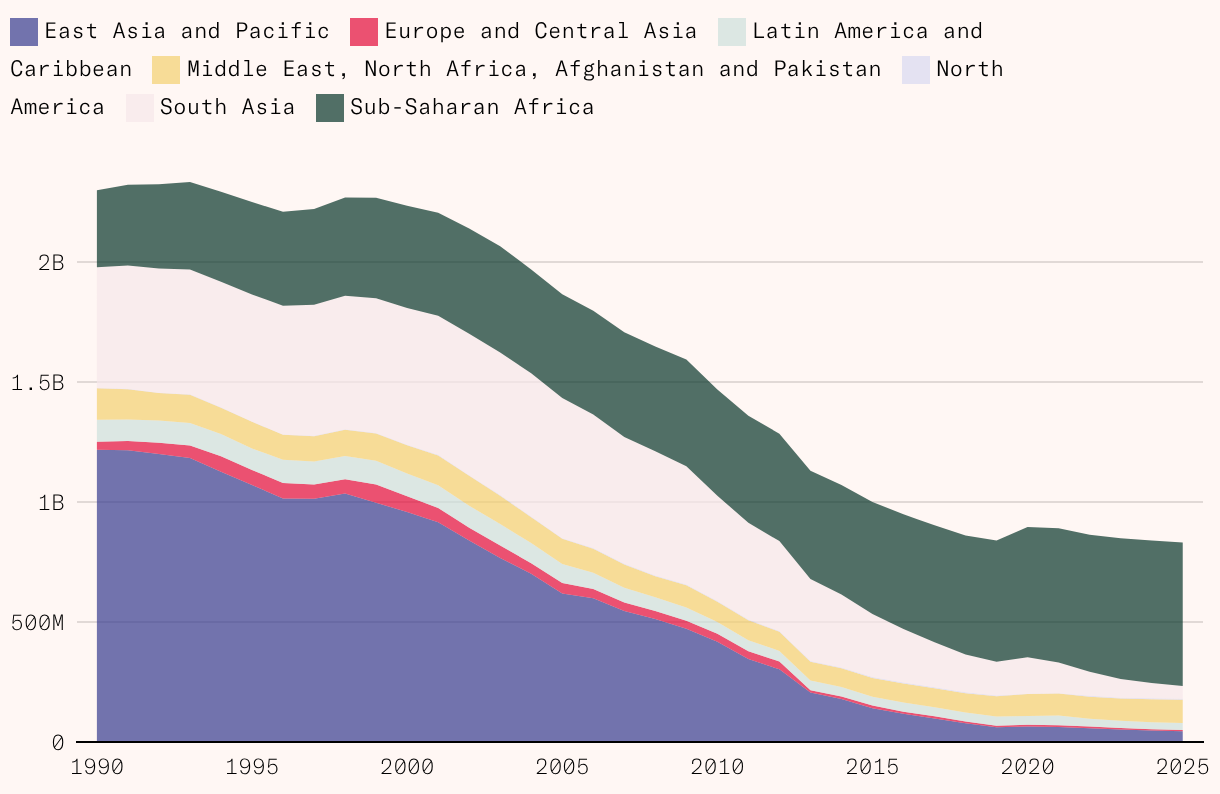
When How Asia Works first appeared, the global mood was one of optimism. China seemed to be a triumph of economic development, averaging a real annual growth rate of ten percent between 1990 and 2013. The country added almost half a billion urban residents and quintupled its manufacturing output. Other Asian economies were also moving along comparable trajectories, albeit less spectacularly. Growth in India and parts of sub-Saharan Africa further supported the idea that the developing world was finally catching up.
However, a decade later, the landscape has changed. China's growth has decelerated from over ten percent per year to around five. The rest of East Asia has settled into the one-to-three-percent range typical of mature economies. South and Southeast Asia continue to grow, but less impressively. And Africa, which once seemed poised to follow the same path, has not grown at all in per capita terms.
Against this backdrop, Studwell's sequel, How Africa Works, offers a fresh perspective on the continent's development challenges. The book opens with an account of Africa's historical constraints, responding to what Studwell refers to as the Afro-pessimist view. This view posits that postcolonial Africa was at least as wealthy as East Asia at independence, and that the continent has since fallen behind due to a combination of factors, including colonial legacies, political instability, and resource curse.
Studwell challenges this perspective, arguing that Africa's development trajectory has been shaped by a unique set of challenges and opportunities. He examines the continent's diverse experiences, from the successes of Rwanda and Mauritius to the struggles of many others. Studwell emphasizes the importance of understanding the specific contexts in which countries operate, and the role of policy choices in shaping economic outcomes.
One of the key themes in How Africa Works is the need for African nations to embrace a "developmental state" approach. This involves building strong institutions, investing in human capital, and fostering a conducive business environment. Studwell also highlights the importance of diversification, as many African economies have historically relied heavily on a single export commodity, often leading to vulnerability and underdevelopment.
In addition, Studwell discusses the role of external factors, such as global trade policies and international aid, in shaping Africa's development prospects. He argues that African countries must navigate these complexities while pursuing strategies that are tailored to their unique circumstances.
How Africa Works also includes case studies of successful African nations, such as Botswana and Mauritius, which have managed to achieve sustained growth and development. Studwell draws on these examples to illustrate the potential for other African countries to follow similar paths.
Despite the challenges faced by the continent, Studwell remains optimistic about Africa's future. He believes that with the right policies and a commitment to development, African nations can overcome their historical obstacles and achieve prosperity.
In conclusion, How Africa Works builds on the success of its predecessor, How Asia Works, by offering a nuanced analysis of the continent's development challenges and opportunities. Studwell's approach is grounded in a deep understanding of the complexities of economic development, and his insights offer a valuable roadmap for policymakers and development practitioners working in Africa. The book is a compelling call to action, urging African leaders to embrace bold reforms and seize the opportunities that lie ahead.









